
A vacant rental between tenants can be an easy target. So can an occupied home where a resident is away for the weekend, a maintenance door is left unsecured, or a smoke alarm is not working when a fire starts. For property owners, a security system for rental property is not just about catching a break-in on camera. It is about protecting people, preserving the condition of the home, and responding when no one is available to act.
The best approach is rarely the biggest equipment package. Rental properties need practical protection that fits the building, respects tenant privacy, and remains simple to manage as residents change. A professionally designed alarm, camera, and life-safety plan can give owners visibility where it matters while giving tenants the confidence that help is available during an emergency.
What a Rental Property Security System Should Protect
A rental home has more than one risk to manage. Burglary is the most obvious concern, especially at vacant properties or homes with rear entrances, sliding doors, detached garages, and limited street visibility. But fire, carbon monoxide, water-related damage, unauthorized access, and medical emergencies can create equally serious consequences.
Start with the people who live there. Monitored smoke and carbon monoxide protection can alert a monitoring center when residents are asleep, traveling, or unable to call for help. A monitored burglar alarm can also bring professional response into the picture when an intrusion alarm is triggered. That is a meaningful difference from a self-monitored notification that depends on someone seeing a phone alert in time.
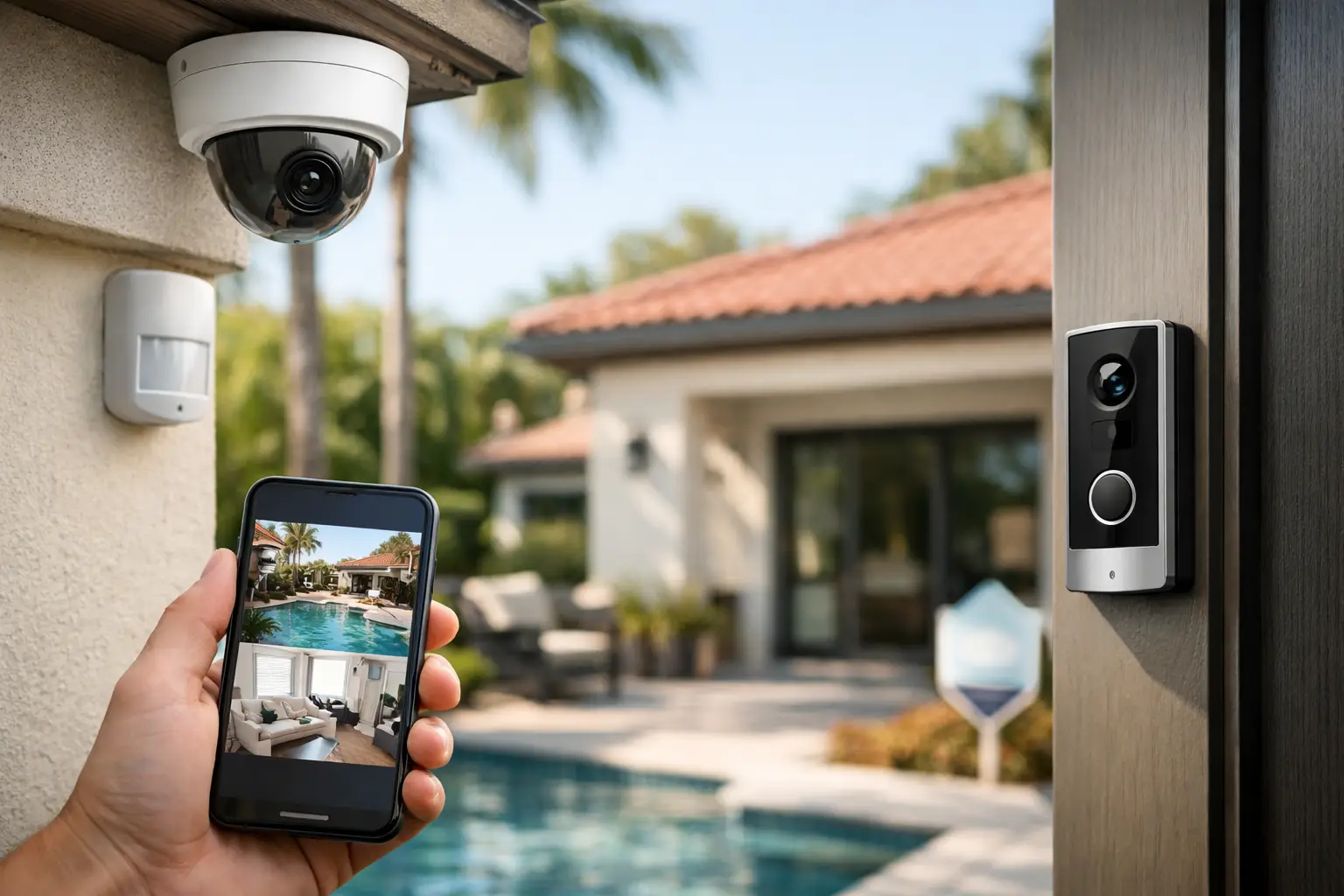
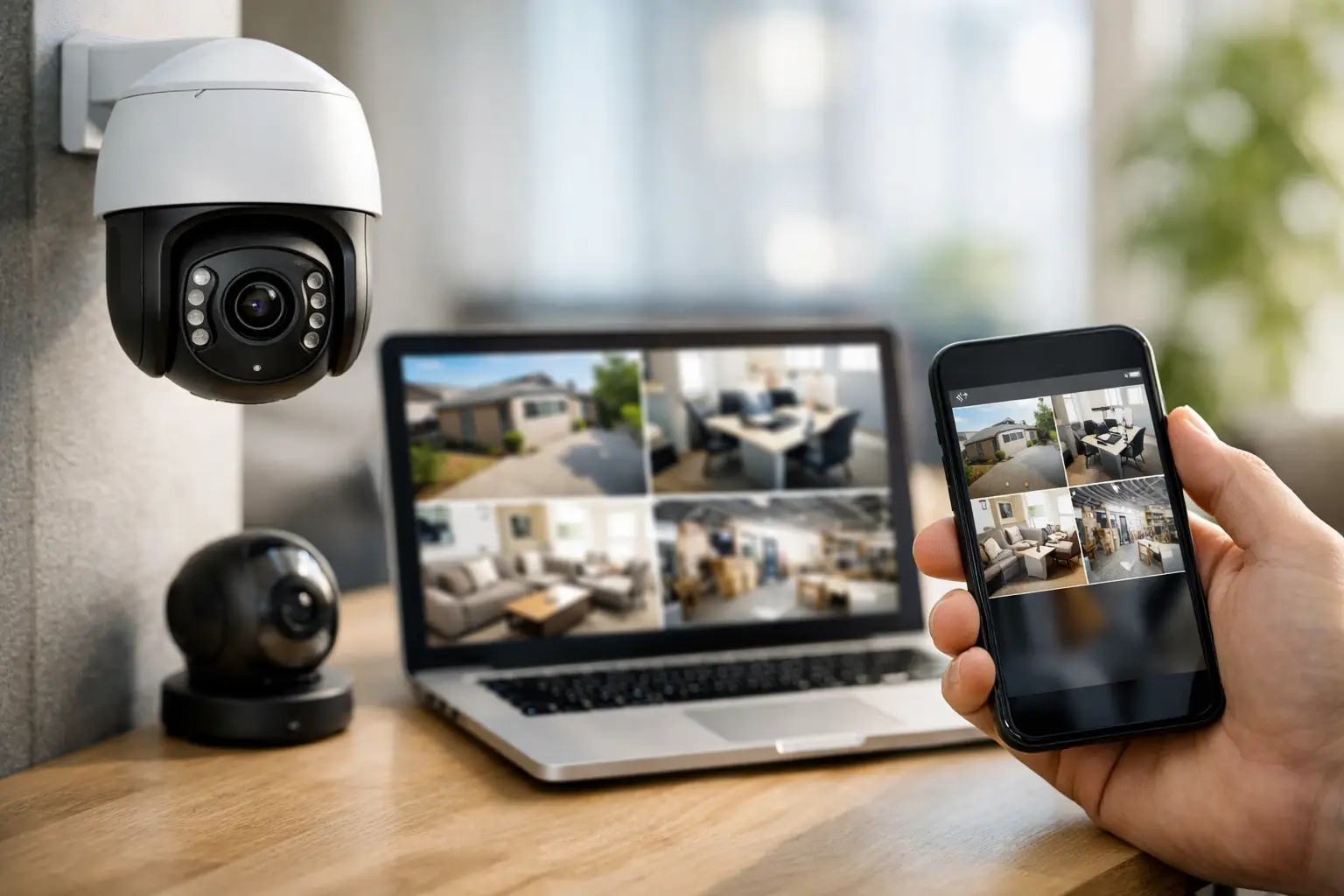
Then consider the property itself. Door and window sensors, glass-break detection, motion sensors, and properly placed exterior cameras can help deter intrusion and document activity around vulnerable areas. Smart locks and automation can make turnover easier by allowing authorized access without distributing or collecting physical keys.
The right mix depends on the property. A single-family rental may need perimeter protection, a video doorbell, and a camera covering the driveway. A small apartment building may require secured common-entry doors, cameras in shared exterior areas, and monitored fire protection. A vacation rental may benefit from access controls and vacancy alerts. One-size-fits-all packages often leave either gaps in protection or equipment that no one uses.
Security System for Rental Property: Start With a Site Plan
Before choosing devices, walk the property as both an owner and a tenant. Identify how someone would approach the building, where they could enter unnoticed, and which areas create the greatest liability. The goal is not to turn a rental into a fortress. It is to protect likely entry points and make emergency response more reliable.
Pay close attention to front and rear doors, sliding glass doors, first-floor windows, garage doors, side gates, utility rooms, and detached structures. Poorly lit paths and concealed backyard access deserve attention too. Cameras and lighting work best when they support each other. A camera pointed at a dark walkway may provide limited usable footage, while motion-activated lighting can make the area less attractive to an intruder in the first place.
Inside, the control panel should be easy for residents to reach and understand. Entry sensors should cover practical access points, and motion detection should be placed where it can confirm movement without causing constant false alarms. Homes with pets, open floor plans, or frequent maintenance activity may need a different sensor layout than a vacant unit.
Professional consultation matters here. An experienced security provider can identify blind spots, recommend equipment that fits the layout, and explain what each component will actually do during an alarm event. That is more valuable than buying cameras or sensors based only on a product list.
Keep Tenant Privacy at the Center
Security should make tenants feel protected, not watched. Cameras belong in exterior and shared areas where there is a legitimate security purpose, such as entrances, driveways, parking areas, mail areas, and common hallways. Never install cameras in private spaces, including bedrooms, bathrooms, or any area where a resident has a reasonable expectation of privacy.
Be clear about what equipment is installed, where cameras are located, who can access footage, and how long recordings are retained. Put the arrangement in writing through the lease and any appropriate addendum. Requirements can vary by location and property type, so owners should confirm local and state rules before installation or recording.
Interior security can still be useful without indoor cameras. Door and window contacts, glass-break detectors, smoke alarms, carbon monoxide detectors, and monitored alarm systems protect the home without recording a tenant’s private life. When residents control their own alarm codes, they can arm and disarm the system conveniently while the owner maintains a clear process for service, turnover, and emergencies.
Why Professional Monitoring Changes the Equation
A security camera can show what happened. A professionally monitored alarm is designed to help get a response while an event is happening.
When an alarm signal reaches a monitoring center, trained professionals follow the established response process and can escalate to the appropriate authorities when needed. This is especially helpful for landlords who do not live near the property, own multiple rentals, or cannot be available around the clock. It also supports tenants during frightening events when they may not know what to do next.
Monitoring is not a guarantee that every emergency will end without loss, and it does not replace good locks, tenant communication, or regular maintenance. It does provide an added layer of protection when a break-in, fire, carbon monoxide event, or medical emergency requires quick attention.
For rental owners focused on value, monthly monitoring should be weighed against the potential cost of an unmanaged alarm event. A delayed response can mean more property damage, a longer vacancy, disrupted tenants, and a difficult insurance claim. Affordable professional monitoring makes stronger protection more accessible without forcing owners to manage every alert themselves.
Use Smart Access Without Creating Confusion
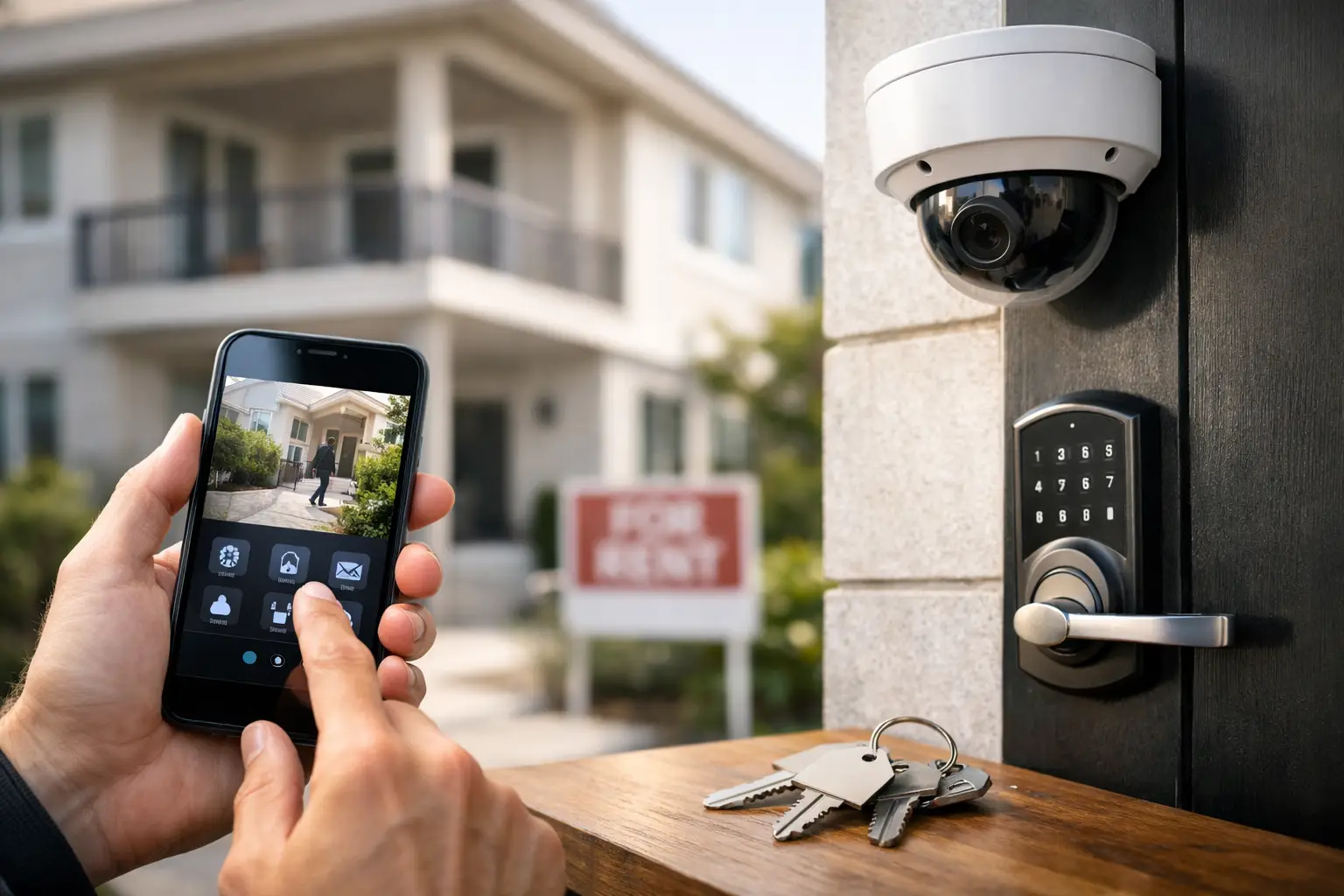
Smart locks can be a strong fit for rental properties, but only when there is a clear access policy. They can eliminate the need to rekey locks after every turnover, allow temporary codes for maintenance professionals, and give residents the ability to manage access without leaving a key under a mat.
The trade-off is administration. Someone must remove old codes, create new ones securely, and make sure tenants understand who can access the home. Avoid sharing a single code among multiple workers or using codes that are easy to guess, such as the unit number. Keep a simple record of authorized users and remove temporary access as soon as work is complete.
Smart-home controls can also help owners and tenants manage lights, thermostats, and security settings. During a vacancy, scheduled lighting and remote thermostat control can make the home look cared for while helping prevent unnecessary energy use. During occupancy, residents should know which controls are theirs and which are reserved for property management or emergency service.
Do Not Overlook Fire and Carbon Monoxide Protection
Many property owners begin with burglary prevention and treat life safety as a separate issue. That can leave a serious gap. Smoke and carbon monoxide protection should be part of the larger security conversation, particularly in homes with gas appliances, attached garages, fireplaces, or older heating equipment.
Equipment must be installed correctly, tested regularly, and replaced according to manufacturer guidance. Tenants also need simple instructions: never disable alarms, report chirping or trouble signals promptly, and leave the home immediately when a fire or carbon monoxide alarm sounds. A monitored life-safety system can add another layer of reassurance by sending an emergency signal even if residents cannot make a call.
This is also an area where owners should not rely on visual checks alone between leases. Batteries, sensors, and alarm communication should be tested as part of a documented turnover and maintenance routine.
Build Security Into Your Turnover Process
The change between tenants is when small security oversights become expensive problems. Include security in every move-out and move-in checklist. Confirm that doors and windows lock properly, replace or reset access credentials, test alarm equipment, inspect cameras for clear views, and verify that smoke and carbon monoxide devices are functioning.
A practical turnover checklist should also confirm that the monitoring account and emergency contact details are current. If a tenant is responsible for a portion of the system, make sure everyone understands who will receive alerts, who can request service, and what happens when the lease ends.
For occupied homes, provide a short system orientation. Show tenants how to arm and disarm the alarm, what to do if they trigger it accidentally, how to report a device issue, and how to respond to life-safety alarms. A system that is easy to use is more likely to stay armed and more likely to deliver the protection it was designed to provide.
Choose Protection That Fits the Property and Budget
The strongest rental security plans combine deterrence, detection, and response. Good exterior lighting and visible cameras can discourage unwanted activity. Sensors and alarms detect unauthorized entry or dangerous conditions. Professional monitoring helps ensure an alarm event does not sit unanswered.
Centex Security can help Florida and Georgia property owners build that plan around the home, the tenant experience, and the risks that matter most. With more than 20 years of industry experience and access to a Five Diamond Certified monitoring center, the focus is straightforward: dependable protection without unnecessary complexity.
A free consultation is a sensible first step, whether you own one rental home or manage a growing portfolio. The right system should protect the property on its worst day while remaining simple enough for tenants to use confidently every day.