
A break-in does not wait until a household has room in the budget for an expensive security package. That is why affordable home alarm systems should be built around the risks that matter most: an intruder entering the home, a fire starting while everyone is asleep, carbon monoxide reaching dangerous levels, or an older family member needing help. The right system gives you a clear path to professional help without loading your home with equipment you do not need.
Low cost should never mean low confidence. A well-designed alarm system can protect entry points, alert you through a mobile app, and send alarm events to a professional monitoring center that can dispatch the appropriate authorities when needed. The difference is not simply the price of the panel or sensors. It is whether the system fits your property, your routines, and the people depending on you.
What Makes an Alarm System Truly Affordable?
The lowest advertised equipment price is not always the lowest long-term cost. Some systems appear inexpensive because they include only a basic hub and a few sensors, leaving homeowners to purchase essential protection later. Others may have monthly fees that rise after an introductory period or charge extra for the app features families expect to use every day.
Real affordability comes from paying for protection that has a purpose. A small condo may need coverage for a front door, patio door, and a few accessible windows. A larger home may need perimeter protection, interior motion detection, smoke detectors, carbon monoxide detection, security cameras, and smart locks. Neither home benefits from a one-size-fits-all package.
When comparing options, look at the full monthly and upfront picture: installation, equipment, monitoring, service availability, mobile control, and any costs associated with adding devices later. Professional consultation can prevent a common mistake – buying too little protection at first, then spending more to correct gaps after a close call.
Affordable Home Alarm Systems Should Start With Your Risks
The best place to begin is not with a catalog of devices. Begin with how someone could enter your home and what emergencies could happen when you are there, asleep, or away.
An exterior door is an obvious priority, but it is not the only one. Ground-floor windows, sliding glass doors, garage access, and doors leading from an attached garage may all require protection. Homes with pets, children who arrive before parents get home, or older relatives living independently may need a different mix of devices and notifications than a home occupied by one adult.
Fire and carbon monoxide protection deserve the same careful planning. Burglar alarms help deter and detect intrusion, but monitored smoke and carbon monoxide detectors can protect people who may not hear a local alarm or who are unable to leave quickly. A monitored medical emergency device can also bring added reassurance for households caring for an aging parent or someone with a medical condition.
A customized design lets you place the budget where it has the greatest impact. That may mean starting with critical entry points and 24/7 monitoring, then adding cameras or automation features as your needs change. Protection can grow with your household without forcing you to overbuy on day one.
Why Professional Monitoring Changes the Value
A loud siren can scare off an intruder and alert nearby neighbors, but it cannot make a phone call or verify that help is being sent. Professional monitoring adds a human response to the system. When an alarm event is received, trained operators follow established procedures to contact you and notify police, fire, or emergency medical responders when appropriate.
That support matters when you are driving, in a meeting, on vacation, or asleep. It also matters when a family member sees an alert but does not know whether it is a false alarm, a real intrusion, or an emergency that needs immediate action.
For Florida and Georgia homeowners, monitored protection can be especially valuable during travel, storm season, and periods when a second home or rental property is vacant. You can receive alerts and check connected cameras from your phone, while a monitoring center remains ready to respond to qualifying alarm events around the clock.
Centex Security provides professionally configured alarm systems backed by a Five Diamond Certified monitoring center, giving households access to experienced support without making security feel out of reach.
The Equipment That Delivers the Most Protection
A dependable system does not need every available gadget. It needs the right core components, installed where they can do their job.
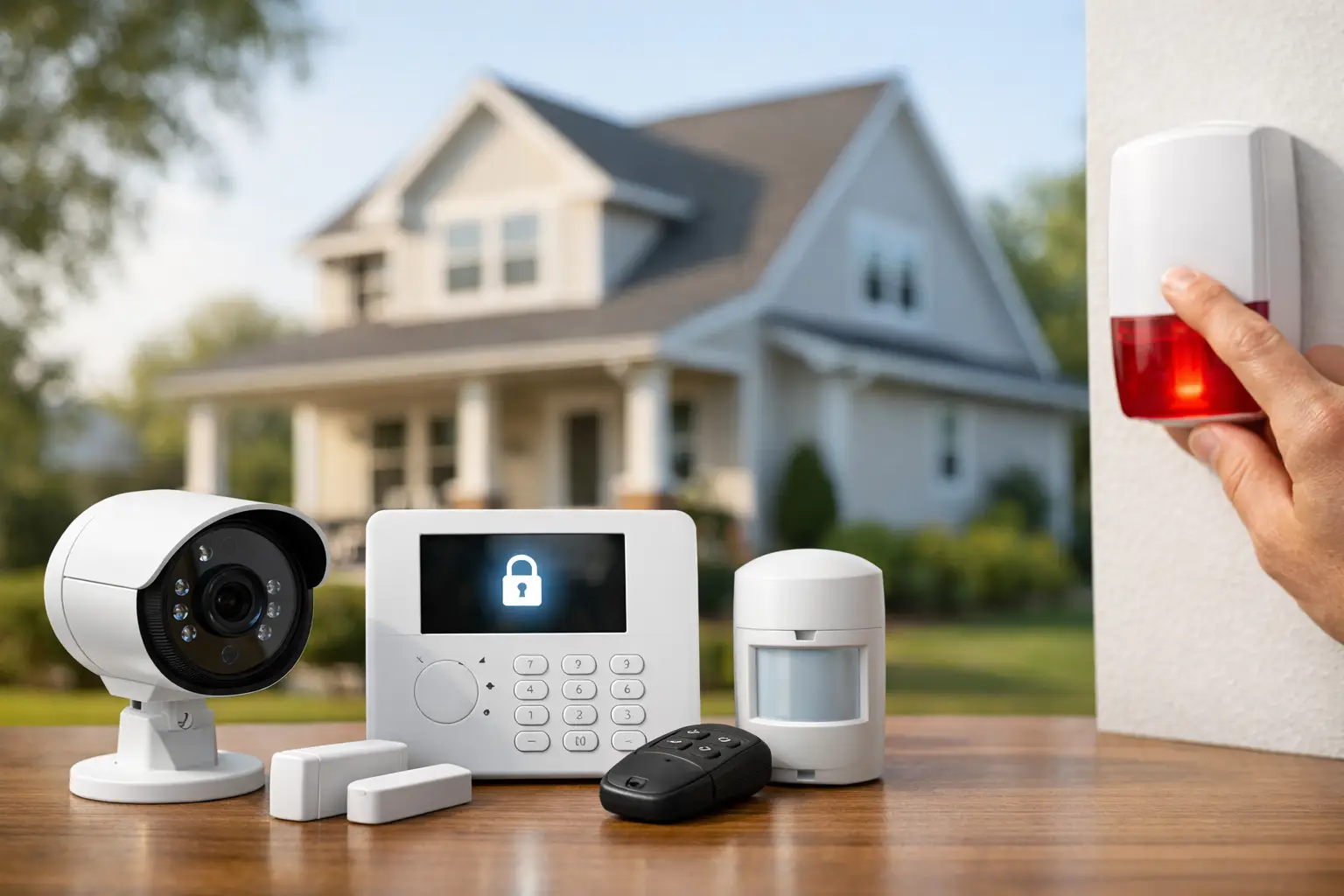
A control panel or smart hub serves as the system’s command center. Door and window contacts alert the system when protected openings are opened. Motion detectors add another layer inside the home, particularly in common pathways where an intruder would likely move after entering. A siren creates an immediate audible deterrent and alerts anyone inside that something is wrong.
From there, life-safety devices can greatly expand the value of the system. Monitored smoke detectors and carbon monoxide detectors can send urgent signals even when nobody is home. Water sensors may make sense near water heaters, washing machines, or utility areas, especially for property owners concerned about costly damage.
Security cameras are helpful, but they are not a replacement for an alarm system. Cameras let you see activity, check deliveries, and review an event. Alarms detect protected entry and trigger a response plan. Used together, they give homeowners stronger awareness and stronger protection.
Smart Controls Can Save Time, Not Just Add Features
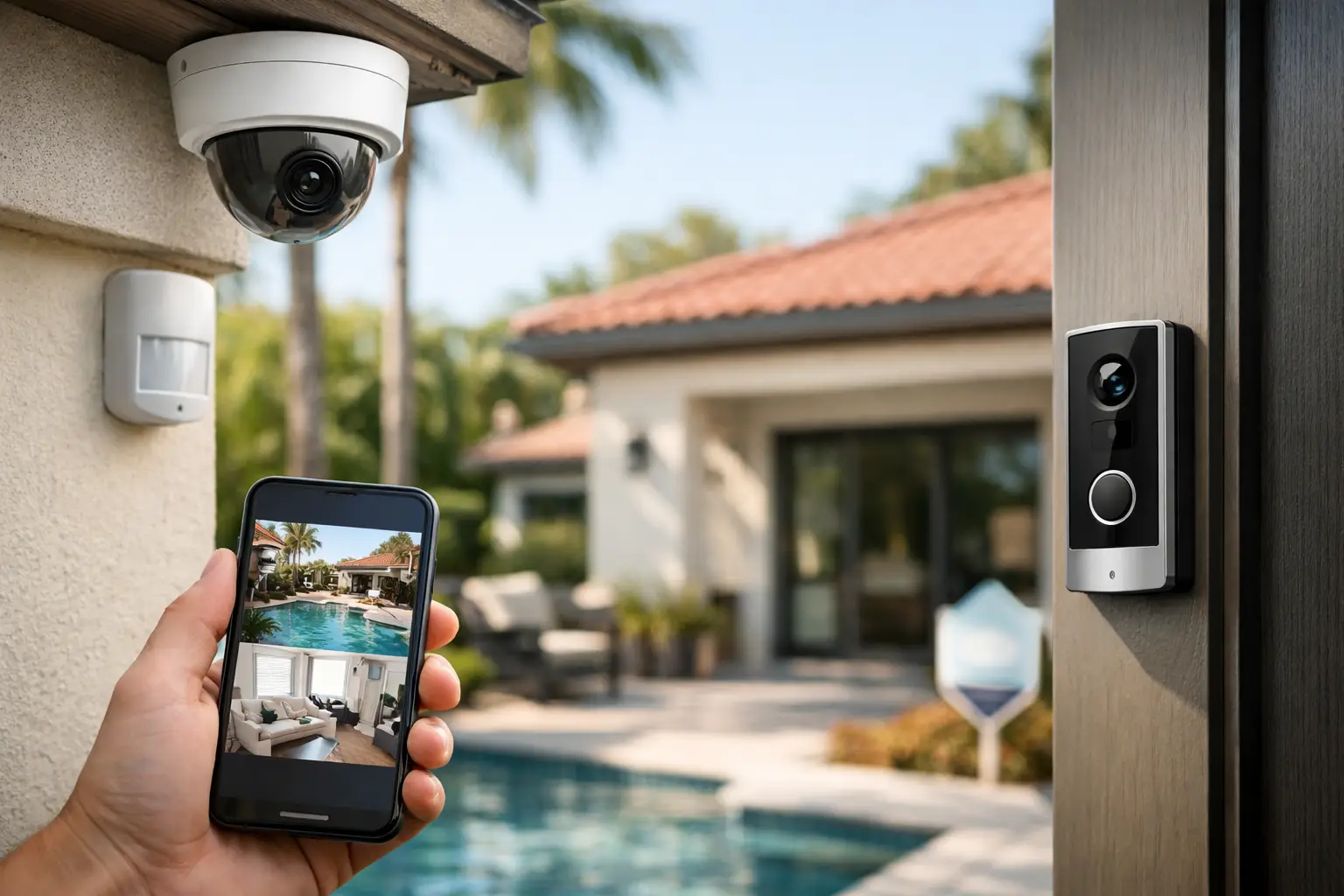
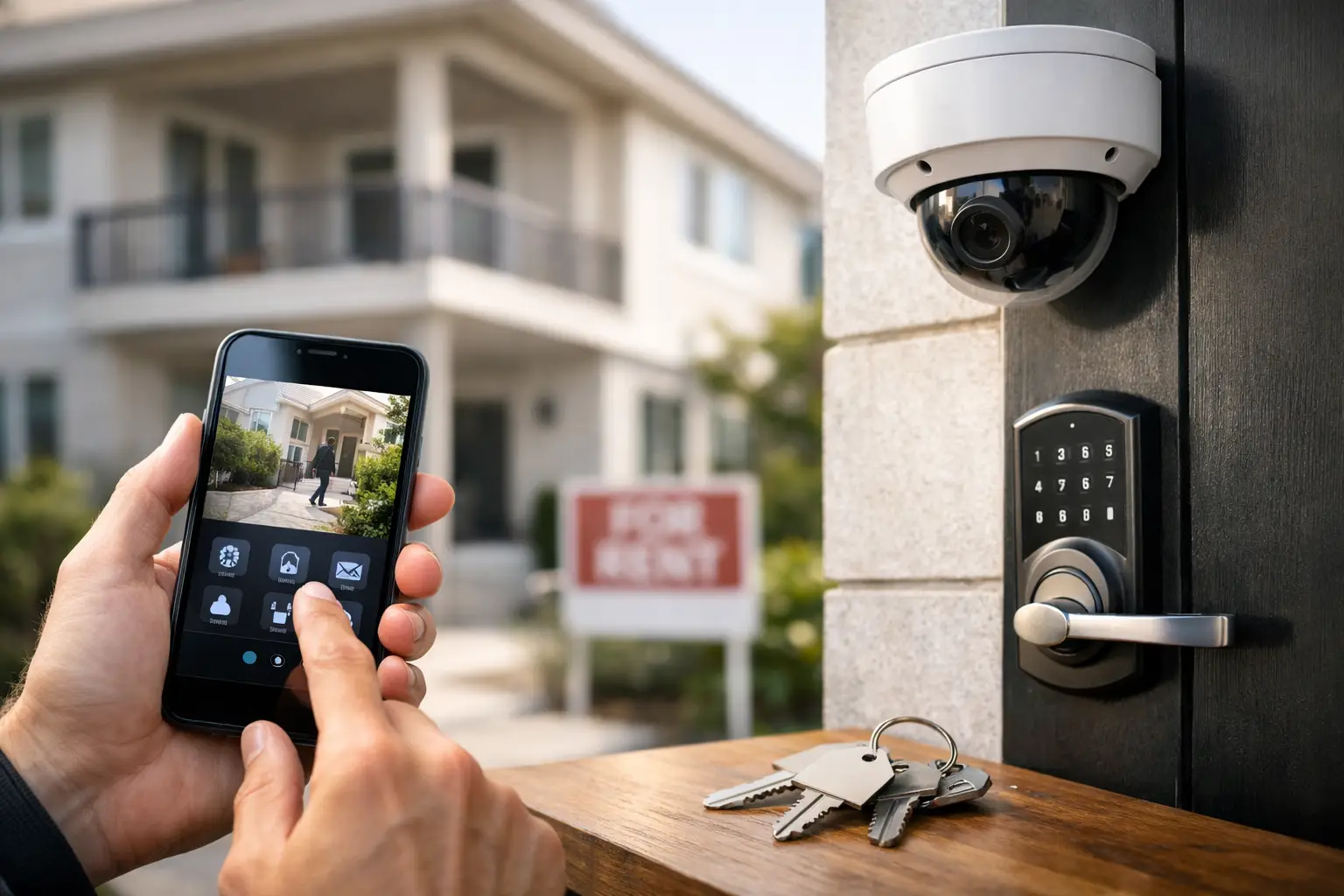
Smart-home automation is most useful when it supports daily habits. Through a single app, you may be able to arm or disarm the system, check camera footage, receive alerts, lock a door, adjust lights, or change the thermostat. If you leave home and cannot remember whether you armed the alarm, remote control can solve the problem in seconds.
Automation can also make a home look occupied when you are away by scheduling lights or controlling them remotely. That is not a guarantee against burglary, but it can add a practical layer of deterrence. The key is choosing controls you will actually use, rather than paying for features that sit unused after installation.
Avoid These Budget Security Mistakes
The first mistake is relying only on self-monitoring. App alerts are useful, but they depend on you seeing the notification, understanding what happened, and being available to act. If your phone is off, you are on a flight, or you are helping a child, an alert alone may not be enough.
The second is installing equipment without considering placement. A sensor on the wrong window, a camera pointed into glare, or a motion detector placed where pets frequently trigger it can create frustration and false alarms. Professional installation and system testing help ensure devices work as intended.
The third is treating monitoring as an optional extra without weighing the risk. Self-installed equipment may lower upfront costs, but homeowners are responsible for setup, troubleshooting, testing, and emergency response. For some households, that trade-off is acceptable. For others, the reassurance of trained operators and a clear escalation process is worth far more than the monthly difference.
Finally, do not forget to ask how the system will be supported after installation. Batteries need replacement, households add doors or cameras, and technology changes. A security provider should be available to help maintain, adjust, and expand your protection as life changes.
How to Choose the Right Protection Plan
Before selecting a system, walk around your property with a security professional and identify the most vulnerable access points. Discuss who lives in the home, whether anyone has medical needs, how often the home is vacant, whether pets are present, and which smart controls would make life easier.
Ask for clear pricing on equipment, installation, monitoring, and future additions. Ask what happens after a burglar, fire, carbon monoxide, or medical alarm is received. A provider should explain the response process in plain language, not bury it in technical details.
Also consider whether a promotional monitoring rate can make professionally monitored security more attainable. Affordable protection is not about choosing the fewest devices possible. It is about building a system that responds when it counts, while staying realistic for your household budget.
Your home should not be left unprotected because security feels complicated or expensive. A no-cost consultation can turn the question from “What can we afford?” into “What protection does our family need first?” That is a stronger place to start, and a safer way to move forward.