
A camera mounted too high to identify a face, pointed into afternoon glare, or installed without protecting the recorder does not provide much protection when it matters. Professional security camera installation services are about more than putting cameras on a wall. They are about creating useful visibility at the doors, driveways, rooms, inventory areas, and access points that matter most to your home or business.
For Florida and Georgia property owners, the right system can help deter crime, document activity, check on loved ones, and give you a clear view when you are away. The wrong system can create blind spots, unreliable recordings, and a false sense of security. That difference starts with the plan.
What Professional Camera Installation Should Solve
A well-designed camera system answers practical questions. Who came to the front door? Did a delivery arrive? Is an employee opening or closing on time? Has anyone entered a restricted area? Is an older relative safely moving around the property? When an event occurs, can you quickly find a clear recording and understand what happened?
Those answers depend on placement, camera type, lighting, network performance, recording settings, and how the system is used every day. A professionally configured system brings those pieces together so the cameras work as a protective tool, not just another app on your phone.
For a home, that may mean coverage of the front entry, driveway, side gate, backyard, and common areas. For a business, it may mean watching entrances, point-of-sale areas, stockrooms, parking lots, loading zones, and employee-only doors. Every property has different risks, traffic patterns, and priorities. A custom plan is more useful than a prepackaged camera count.
Security Camera Installation Services Start With Placement
The best camera is only as effective as its view. During a consultation, an installer should walk the property with you and identify the areas where an event is most likely to occur. Entrances and exits are usually the first priority because they provide the best opportunity to capture a usable image of a person coming or going.
Camera height matters. Mount a camera too low, and it may be easy to tamper with. Mount it too high, and it may show the top of a hat rather than a recognizable face. The angle should account for sun, exterior lights, landscaping, vehicles, and normal foot traffic. In Florida and Georgia, heavy rain, humidity, heat, and changing seasonal light also deserve consideration when selecting outdoor locations and equipment.
A professional installation also looks beyond the obvious front door. Side yards, rear entrances, detached garages, pool areas, and service gates can be overlooked. Businesses may need views of cash-handling areas and inventory routes, but cameras should be placed with employee privacy and local requirements in mind. Cameras are designed to protect people and property, not to create unnecessary monitoring in private spaces.
Clear Identification Versus General Coverage
Not every camera needs the same job. A wide-angle camera can show activity across a large patio, lobby, or parking area. A more focused camera near a door can provide better detail for identifying a visitor. Trying to make one camera cover everything often produces footage that is too wide to be useful.
This is where design matters. The goal is to combine broad awareness with focused views at critical points. A professional can recommend the right mix based on distance, available light, and whether you need to identify a person, monitor activity, or simply verify that an area is secure.
Choose Recording and Alerts That Match Your Routine
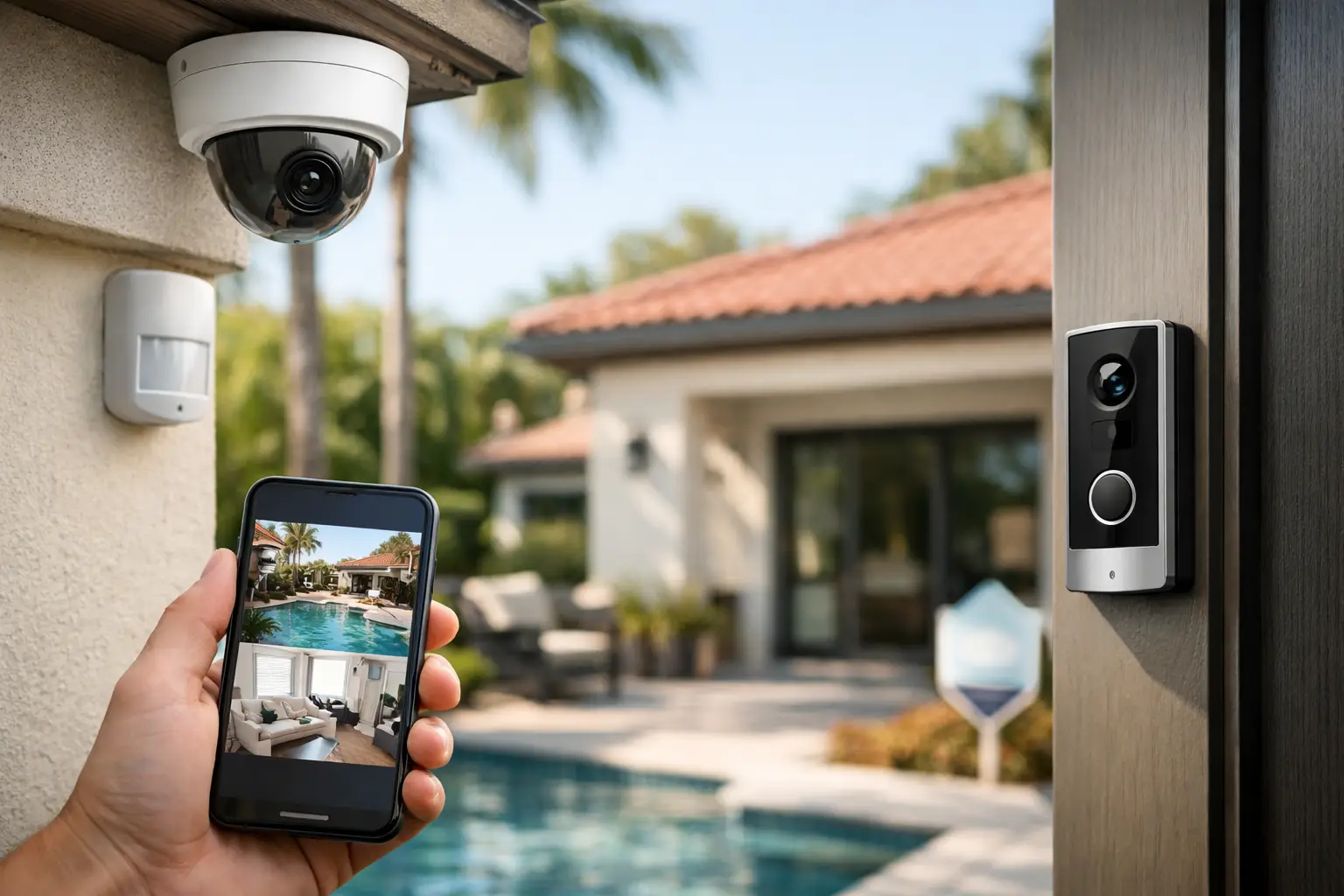
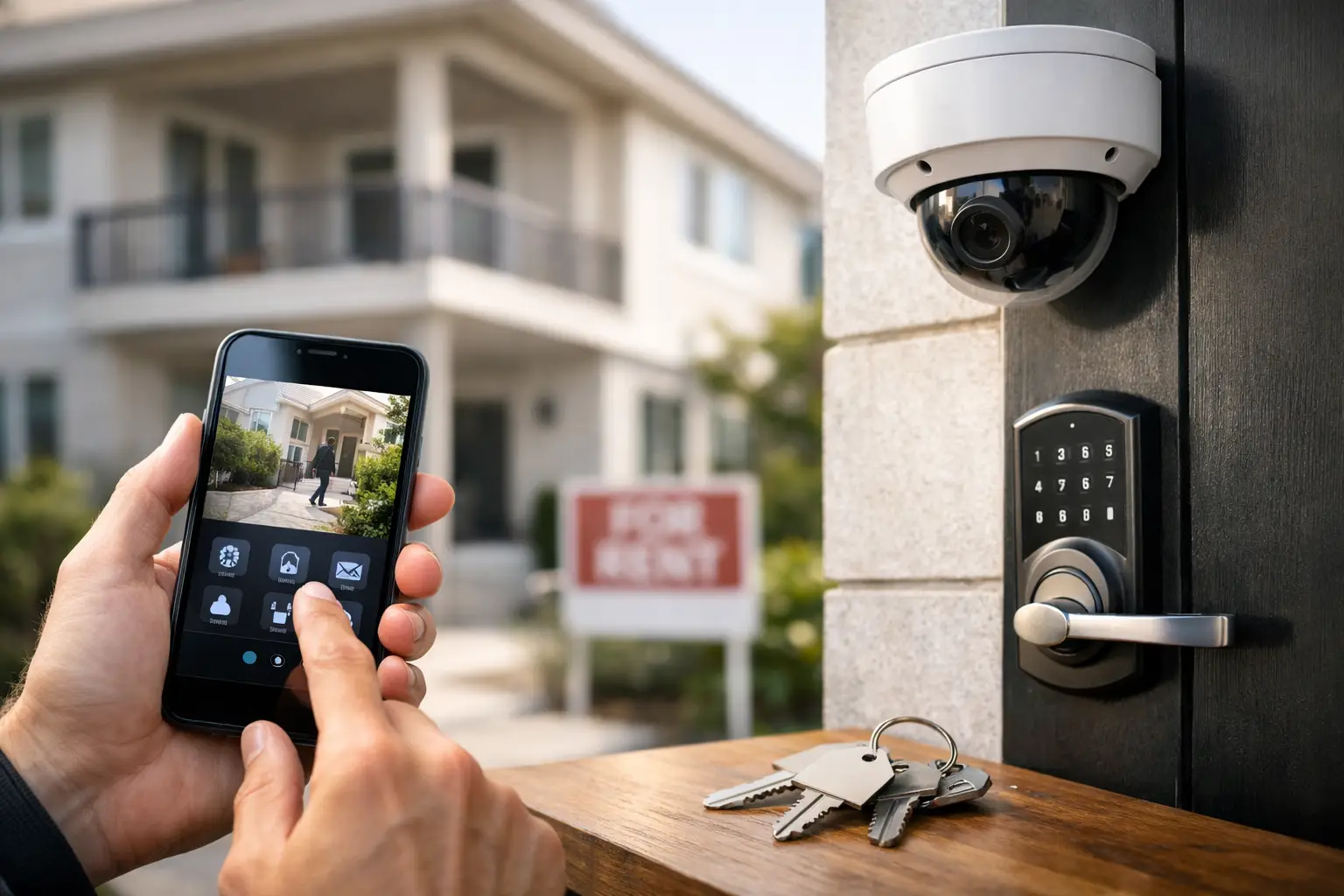
Remote viewing is one of the most valuable benefits of modern camera systems. From a smartphone, tablet, or computer, you may be able to check live video, review recorded clips, and receive alerts when activity is detected. That can bring real peace of mind when children get home from school, a contractor arrives, or your business is closed for the night.
Still, more alerts are not always better. If every passing car, swaying branch, or outdoor animal triggers a notification, people stop paying attention. Proper configuration can focus alerts on the areas and times that matter most. For example, a business owner may want an alert after hours at a rear door, while a homeowner may want a notification when someone approaches the front porch.
Recording needs deserve the same attention. Continuous recording may be appropriate for high-traffic or high-value areas. Event-based recording can reduce unnecessary footage and make review easier. Retention time depends on the number of cameras, video quality, recording schedule, and storage capacity. A system should be planned around how long you may need footage available, not just what fits in the smallest storage option.
Cameras Work Better as Part of a Complete Security Plan
Cameras can deter unwanted activity and provide valuable evidence, but they do not physically stop an intruder or automatically send help. That is why many homes and businesses combine cameras with a monitored burglar alarm, door and window sensors, motion detection, smart locks, and automated lighting.
When an alarm event occurs, professional monitoring can help move the response forward by verifying the situation and escalating to the appropriate authorities when needed. Cameras can give you additional awareness, while a monitored system helps ensure an emergency is not ignored because your phone is silent, out of reach, or out of service.
For a family, that layered protection can also include monitored smoke, carbon monoxide, and medical emergency devices. For a business, it can include intrusion detection, access control, and fire protection. The right combination depends on the property, operating hours, staff, valuables, and the level of response you want.
Wired, Wireless, or a Combination?
Wired cameras are often a strong choice for permanent installations because they can provide dependable power and continuous recording. They can be especially practical for larger homes, offices, retail locations, and properties that need multiple cameras.
Wireless cameras can be useful where running cable is difficult or where flexibility is the priority. However, they still depend on reliable Wi-Fi, power or battery maintenance, and a network that can handle video traffic. A wireless option may be convenient, but convenience should not come at the cost of missed footage in a key location.
A professional consultation can help determine which approach makes sense. The best system may use a combination of solutions based on the construction of the building, distance to camera locations, available power, and the importance of each view.
What to Expect From a Professional Installation
A good installation process should feel clear, not technical or intimidating. It begins with a conversation about what you want to protect and the concerns you have noticed around the property. From there, the system can be designed around your layout, budget, and priorities.
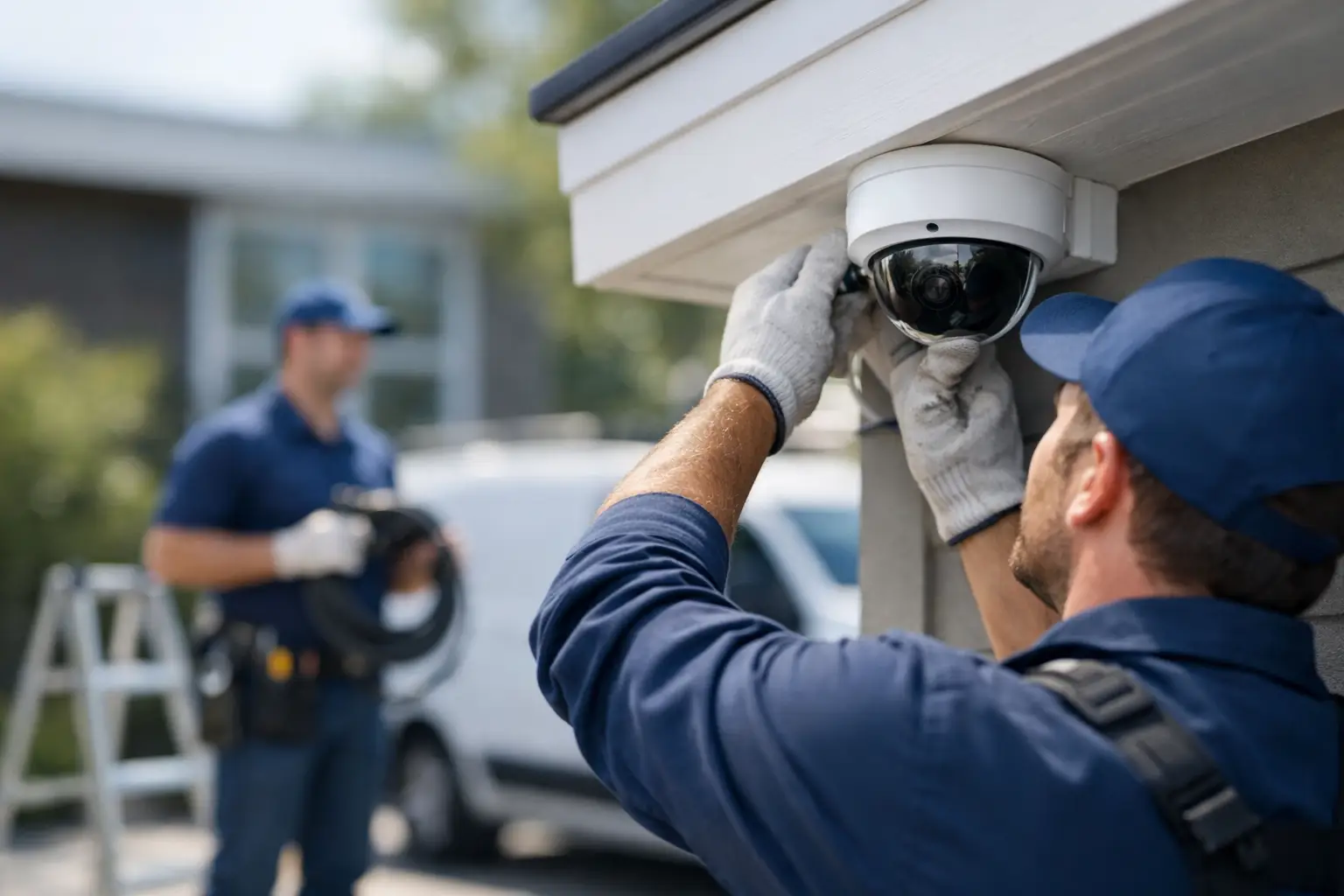
Installation should include securely mounting equipment, protecting cables where needed, connecting cameras correctly, configuring recording, setting up remote access, and testing every view. Before the work is complete, you should know how to see live video, review footage, respond to alerts, and request service if something changes.
Centex Security brings more than 20 years of alarm-industry experience to customized camera, alarm, monitoring, and automation solutions for homes and businesses. The focus is practical protection: clear camera coverage, easy control, and security options that fit the property rather than forcing the property to fit a package.
Make Your Cameras Useful Before You Need Them
Once your system is installed, take time to use it under normal conditions. Check camera views during daylight, after dark, and during bad weather. Make sure a face at the front door is visible, not lost in glare or shadow. Confirm that household members or designated business managers can access the system and understand alert settings.
Review your landscaping a few times each year as well. A tree that was harmless in spring can block a camera by late summer. Keep lenses clean, update passwords, and avoid sharing access with people who no longer need it. Small maintenance steps help protect the value of the system over time.
The most effective camera system is the one you can rely on without having to think about it constantly. A no-cost consultation can turn concerns about blind spots, deliveries, after-hours activity, or property access into a clear plan for better protection.