
A security system can make noise, send an app alert, and record video. But when a break-in, fire, carbon monoxide event, or medical emergency happens, the critical question is who acts next. Five Diamond alarm monitoring means your alarm signals are handled by a monitoring center that has earned a higher level of recognition for operator training, quality practices, and emergency-response readiness.
For homeowners and business owners in Florida and Georgia, that difference matters most when you may be unable to answer your phone, away from the property, or focused on getting your family, customers, or employees to safety. Professional monitoring puts trained people between an alarm event and the next call for help.
What Is Five Diamond Alarm Monitoring?
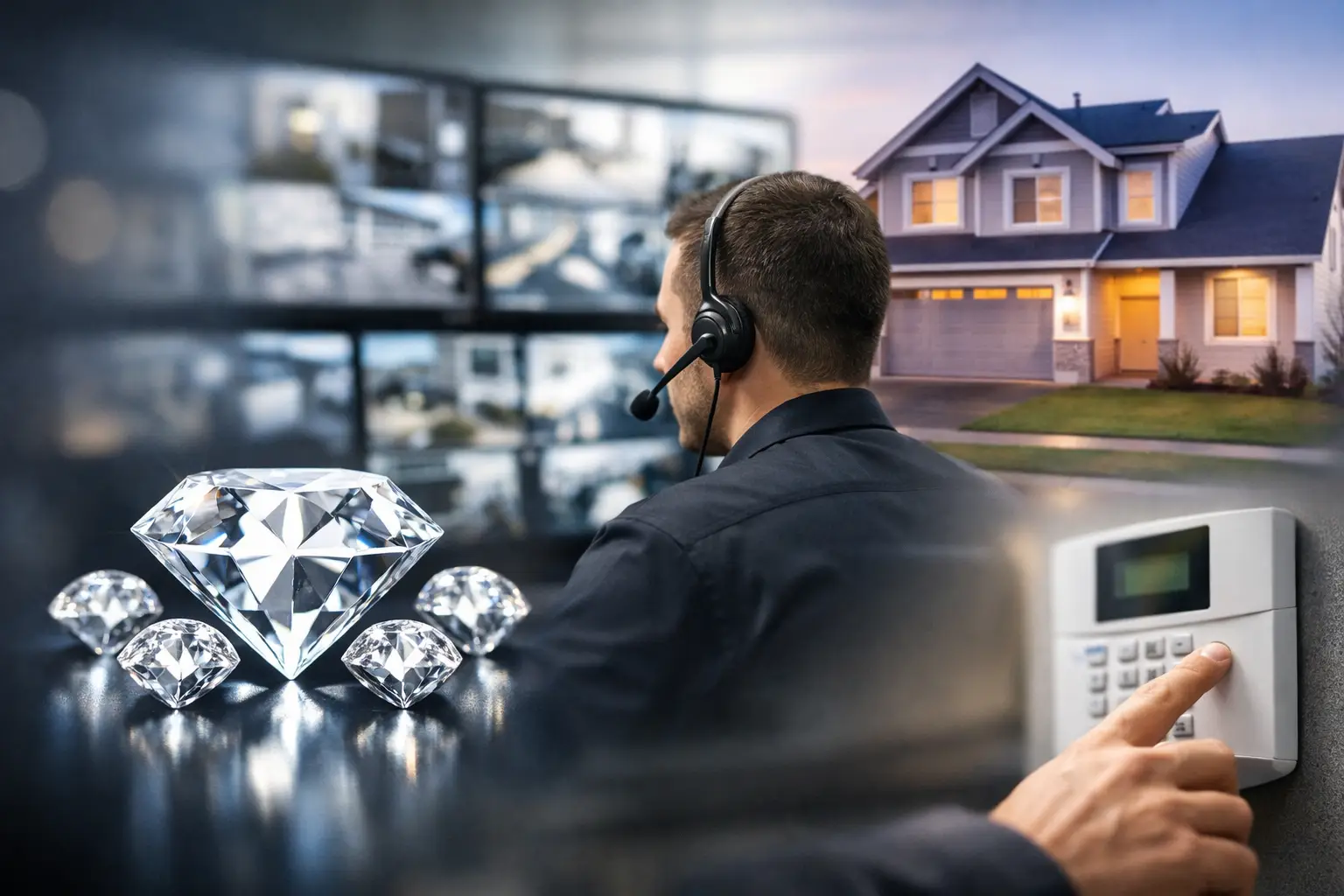
Five Diamond is a designation associated with professional alarm monitoring centers that meet demanding standards established by The Monitoring Association. It is not simply a marketing label for an alarm panel, camera, or mobile app. The recognition applies to the central station where trained operators receive alarm signals and follow response procedures around the clock.
A Five Diamond Certified monitoring center demonstrates a serious commitment to operator education, continuing training, quality oversight, and industry standards. The exact requirements and verification processes can evolve, but the purpose stays clear: the center is expected to invest in people and procedures that support dependable emergency handling.
That distinction is useful when comparing security providers. Many systems can send a notification. A professionally monitored system also has a response path when you miss that notification, cannot access your phone, or need help dispatched while events are still unfolding.
A certification does not promise that police, fire, or medical responders will arrive in a specific number of minutes. Local agency conditions, weather, traffic, and the urgency of other calls all affect response times. What it does indicate is that the monitoring side of your protection is built around trained human response rather than a do-it-yourself alert alone.
What Happens After Your Alarm Goes Off?
The best time to understand monitoring is before an emergency. When a protected sensor detects a problem, it sends a signal through the alarm system to the monitoring center. Depending on the event type and your configured instructions, an operator reviews the signal and begins the appropriate escalation process.
For a burglar alarm, this may include contacting the property, calling the people on your emergency list, and requesting law enforcement when the situation calls for it. For monitored fire or carbon monoxide alarms, the response protocol is designed for a faster life-safety escalation. A medical emergency device can also trigger a call for help when a loved one cannot reach a phone.
The precise order of calls depends on the service, local requirements, and the response plan created for your household or business. That is why accurate contact information and clear instructions are not paperwork to set aside. They are part of the protection. If a spouse changes phone numbers, a keyholder leaves the company, or a manager is no longer responsible for the property, update the account promptly.
Monitoring Is More Than an App Notification
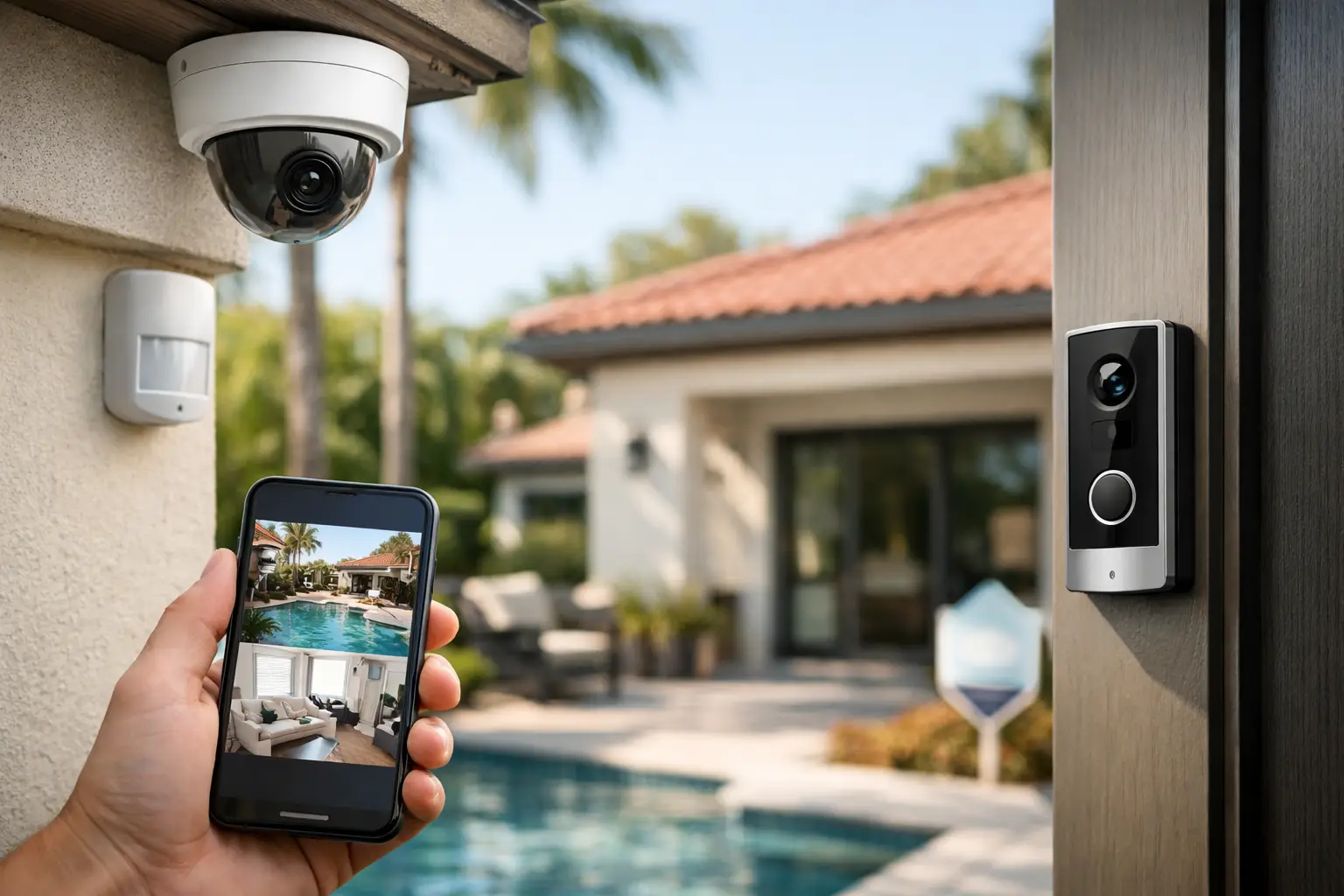
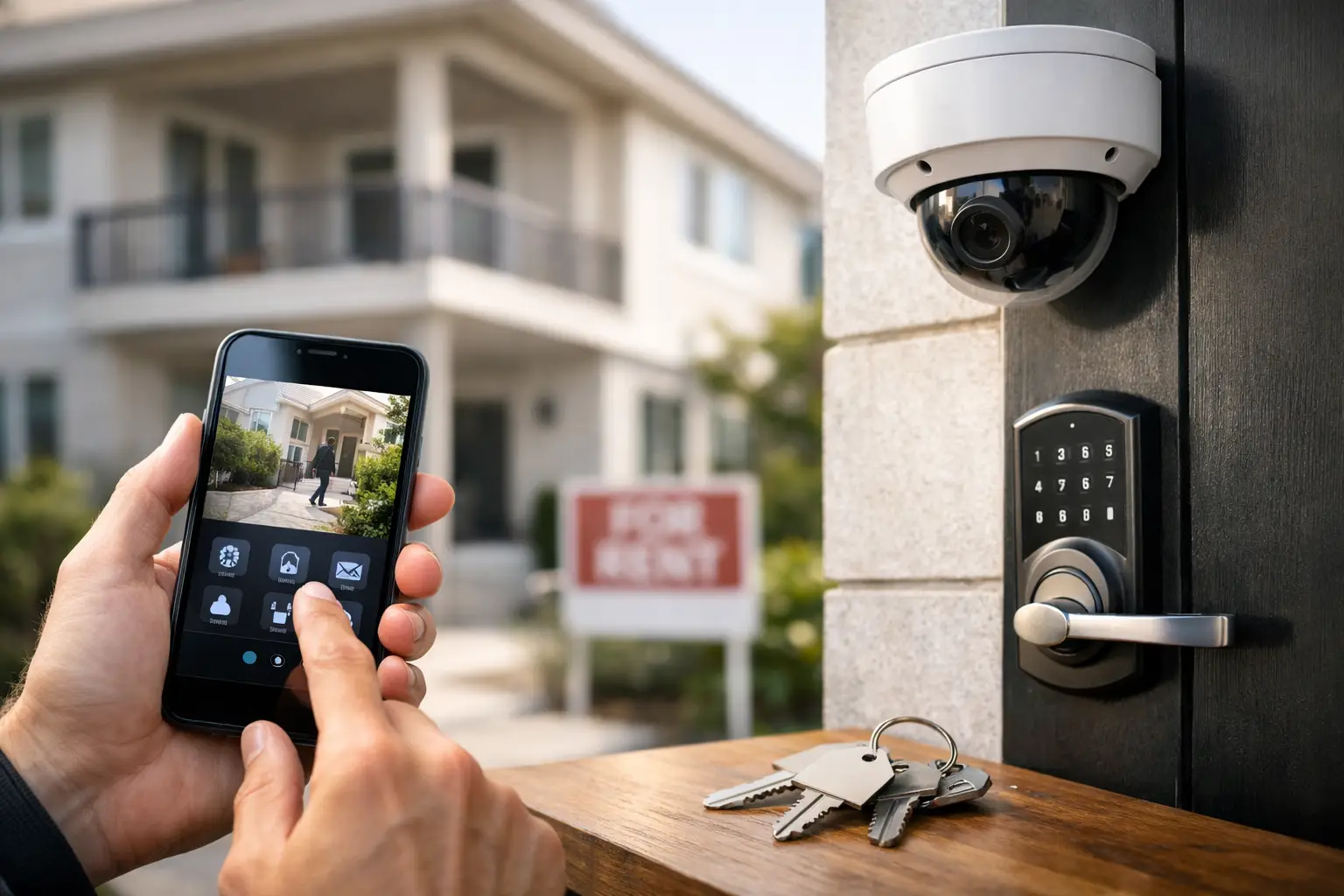
Smartphone alerts are useful. They can tell you that a door opened, a camera saw motion, or an alarm was armed. They give you visibility and control from work, vacation, or across town.
Still, an app depends on you seeing it and being able to decide what to do. You might be in a meeting, driving, asleep, on a flight, or dealing with an emergency inside the property. Professional monitoring provides an additional layer: a trained operator can continue the response process when you cannot.
For many customers, the strongest setup combines both. Use smart controls and camera notifications for daily awareness, then rely on professional monitoring for events that need immediate attention. It is practical protection without requiring you to watch your property every minute of the day.
Why Certification Matters for Homes and Businesses
A home security system protects more than electronics, jewelry, or a front door. It helps protect the people behind that door. A monitored smoke detector can be especially valuable when everyone is asleep, when children are home with a caregiver, or when an older relative needs added protection. Carbon monoxide monitoring brings similar peace of mind because the gas cannot be seen or smelled.
For a business, an alarm event can affect inventory, equipment, employees, customer records, and tomorrow morning’s ability to open. A professionally monitored system can help business owners respond even if they are at another location or off the clock. Paired with properly placed cameras, access control, and smart alerts, monitoring helps create a clearer picture of what is happening at the premises.
Five Diamond recognition should not be the only factor in your decision, but it is a meaningful credibility signal. It suggests that the monitoring center has invested in the people who handle alarm signals when the situation is no longer routine.
The Right System Still Needs the Right Design
Even excellent monitoring cannot compensate for poor system design. An alarm that does not cover the entry points you use, smoke detectors placed without regard for the layout, or cameras aimed only at empty space will not deliver the protection you expect.
Your security plan should reflect how the property actually operates. A family may need door and window protection, motion detection, monitored smoke and carbon monoxide devices, a video doorbell, and easy arming from a phone. A retail business may need intrusion detection after hours, cameras covering entrances and registers, employee access considerations, and a clear keyholder list for alarm events.
There are trade-offs. More devices can expand coverage, but the system should remain easy enough for everyone to use correctly. Wireless equipment can reduce installation disruption, while hardwired components may be preferred in some buildings. Cameras provide valuable awareness, yet cameras alone do not replace intrusion detection or monitored life-safety devices.
A customized consultation helps turn those choices into a practical plan. Centex Security helps customers match alarm monitoring, cameras, smart-home controls, and life-safety devices to the property, budget, and risks that matter most.
Avoid Delays Caused by False Alarms
False alarms can create frustration for households, businesses, and responding agencies. They can also lead to local fines in some communities. The answer is not to skip monitoring. It is to configure the system correctly and make sure the people who use it understand it.
Test the system as recommended, keep doors and windows maintained, and teach family members or staff how to arm and disarm it. For businesses, establish clear opening and closing procedures. For homes, make sure trusted adults know the code and understand what happens if an alarm is triggered accidentally.
Tell your provider when you remodel, add a pet, change business hours, or alter the layout of a protected area. Small changes can affect detector placement, motion settings, camera views, and alarm procedures.
Questions to Ask Before Choosing Monitoring
Before signing up for monitoring, ask whether the center handling your signals is Five Diamond Certified and whether that designation is current. Ask how burglar, fire, carbon monoxide, panic, and medical signals are handled. You should also understand what information operators will use to verify and escalate an event.
Ask about communication reliability as well. A system should have a dependable way to report alarms, with backup options appropriate for the installation. Find out how you will receive notifications, how to update your emergency contacts, and whether the system can be expanded later with cameras, automation, or additional life-safety protection.
Price matters, especially for a recurring service, but the cheapest monthly rate is not automatically the best value. Compare what is included, the quality of the monitoring center, the equipment design, installation support, and the help available after the system is activated. Affordable monitoring should still give you confidence that a real response plan is in place.
Security is most reassuring when it fits naturally into daily life: arm the system from bed, check a camera before opening the store, receive an alert when the kids get home, and know trained professionals are ready to act when an emergency cannot wait. A no-cost consultation can help turn that confidence into protection built for the way you live or work.