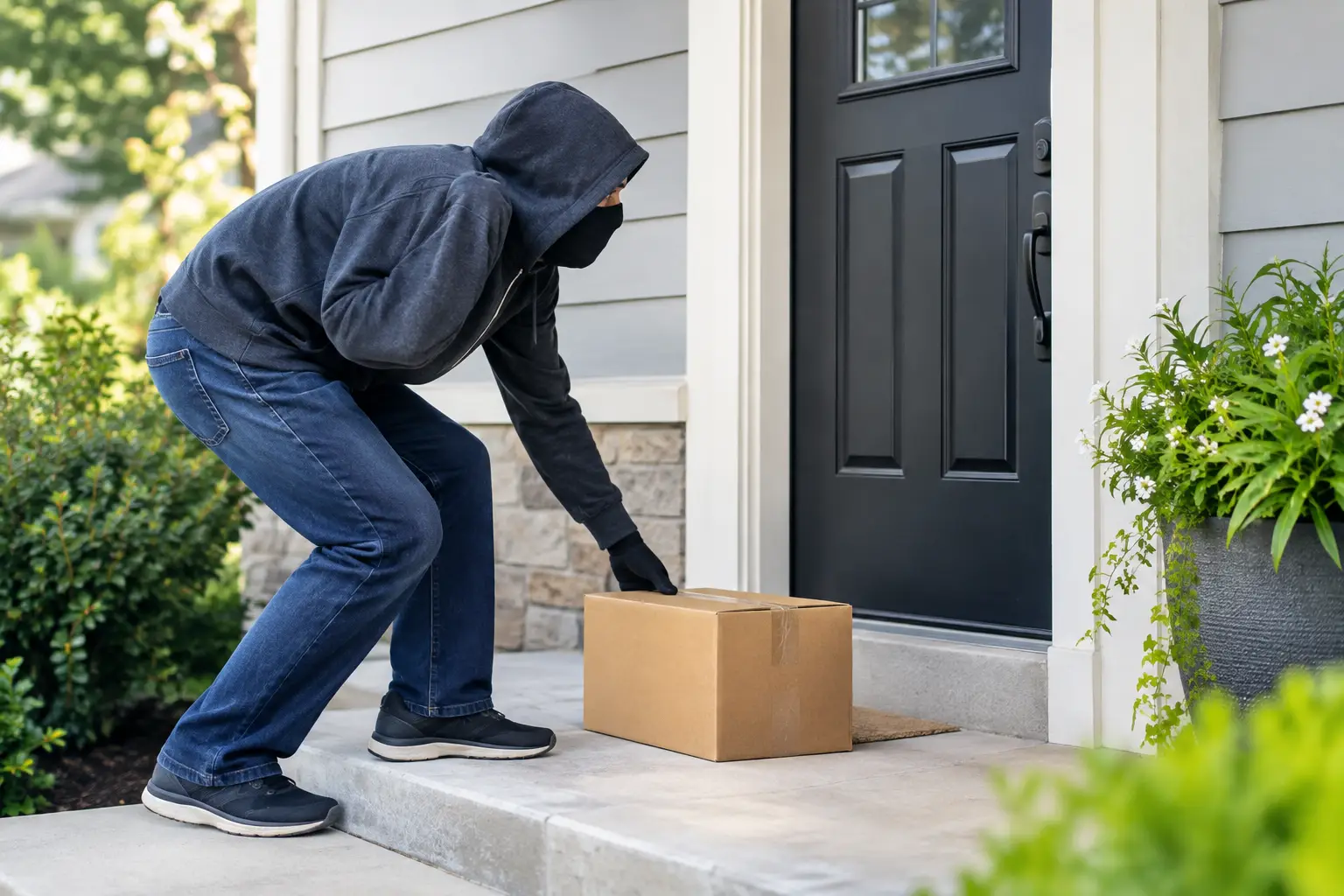
A front door camera may capture a visitor, but it cannot always stop a break-in, alert the fire department during a smoke emergency, or call for help when an older family member needs it. A security system consultation guide helps you look beyond individual devices and build protection around the risks that matter most to your home or business.
The right consultation should feel practical, not pressured. You should leave with a clear picture of what needs protection, which equipment fits the property, how professional monitoring responds, and what your monthly costs will be. Whether you manage a small business in Florida, own a rental property in Georgia, or want to protect your family at home, the goal is the same: dependable security that is simple to use and affordable to keep.
What a Security System Consultation Should Accomplish
A good security consultation starts with the property, not a prepackaged bundle. Every building has different entry points, routines, occupants, valuables, and vulnerabilities. A single-story home with a sliding patio door needs a different plan than a retail shop with a rear delivery entrance, inventory storage, and several employees who need access.
During the conversation, a security professional should ask how the space is used and when it is most vulnerable. For a homeowner, that might mean discussing school pickup schedules, frequent travel, pets, older relatives, and whether children are home before adults arrive. For a business, it may involve opening and closing procedures, employee turnover, cash handling, restricted areas, and after-hours deliveries.
The consultation should also explain the role of each layer of protection. Door and window sensors can detect unauthorized entry. Motion detection can cover interior pathways. Cameras provide visibility and useful evidence. Smart locks and automation add control. Professionally monitored smoke, carbon monoxide, and medical emergency devices extend protection beyond burglary.
Most of all, the consultant should explain what happens after an alarm. With 24/7 professional monitoring, an alarm event is sent to a monitoring center, where trained operators follow the account’s emergency instructions and contact the appropriate authorities when necessary. That response is the difference between receiving a phone alert and having professional help engaged when you cannot respond yourself.
Start With Risk, Not Equipment
It is easy to focus on the latest camera or a low advertised equipment price. Those details matter, but they come after the basic question: what could happen here, and what would the consequences be?
Walk the exterior with that question in mind. Look for doors hidden from the street, windows obscured by landscaping, gates that are routinely left open, detached garages, poorly lit walkways, and locations where someone could approach without being noticed. Inside, consider areas containing jewelry, electronics, firearms, sensitive documents, medications, customer records, tools, or valuable inventory.
For businesses, risk is not limited to burglary. A camera at the front counter may help deter theft, while access control at an office or stockroom helps limit who can enter. A monitored fire alarm can protect a vacant building overnight. Panic buttons or medical alert devices may be appropriate where employees work alone or where customers and staff could face a medical emergency.
Security decisions also depend on how quickly you need to know about an event. A vacation property may need remote alerts and camera access. A busy office may need managers to receive notifications while professional monitoring handles alarm escalation. A household caring for an aging parent may place more value on monitored medical protection than on extra exterior cameras.
Prepare Before Your Consultation
You do not need security expertise to have a productive appointment. A few details will help the consultant make recommendations that match your property and your budget. Before the visit, be ready to discuss:
- The doors, windows, outbuildings, or rooms you want protected
- Your household or business schedule, including periods when the property is empty
- Past concerns, such as package theft, attempted entry, employee access issues, or false alarms
- Whether you need cameras, smart-home controls, fire and carbon monoxide detection, or medical protection
- Who should receive alerts, use the mobile app, and serve as emergency contacts
Be direct about your priorities. Some customers want visible deterrence at every entrance. Others want discreet equipment, reliable monitoring, and simple remote control without covering every room with cameras. There is no single correct design. The best plan accounts for the risks you want to reduce without adding equipment you will not use.
Questions to Ask During a Security System Consultation
A consultation is your chance to compare protection, not just prices. Ask the provider to show you where each sensor, camera, keypad, or life-safety device would be installed and why. If a recommendation feels unclear, ask what risk that device addresses.
Ask how the system communicates during a power outage or internet interruption. Wireless cellular communication can offer an additional path for alarm signals, while camera recording and remote viewing may have different requirements. Understanding these differences prevents surprises when conditions are less than ideal.
You should also ask about monitoring procedures. Find out how alarm verification works, who gets contacted first, how emergency contacts are updated, and what happens if you cannot answer your phone. Local dispatch rules can vary, so confirm any verification or permit requirements that apply to your city or county.
Cost deserves a straightforward conversation as well. Request a clear breakdown of installation, equipment, service, monitoring, activation, and any applicable permit-related costs. Affordable monitoring is valuable, but the lowest upfront offer is not always the best value if it leaves key entry points unprotected or excludes support you expect to receive.
Finally, ask how easy the system will be to manage after installation. You should understand how to arm and disarm it, create user codes, view cameras, receive notifications, and control compatible locks, lights, or thermostats. Security technology should support your routine, not create another complicated task.
Choosing Cameras, Alarms, and Smart Controls
Cameras are highly useful, but they work best as part of a complete security plan. Exterior cameras can help you see activity near driveways, entrances, parking areas, and delivery zones. Interior cameras may be appropriate for business cash areas, stockrooms, or common spaces. In a home, placement should balance visibility with privacy, especially in bedrooms and private family areas.
Camera placement matters more than simply adding more cameras. A consultant should account for lighting, sun glare, mounting height, Wi-Fi coverage, viewing angles, and whether a face, vehicle, or license plate needs to be identifiable. A camera aimed at a bright window or installed too high may record activity without delivering useful detail.
Burglar alarms add immediate detection at doors, windows, and interior pathways. They are especially valuable when paired with professional monitoring because an intrusion signal can be acted on even when you are asleep, traveling, or unable to look at your phone. A loud siren can also create a strong deterrent by drawing attention to an attempted entry.
Smart-home automation is most valuable when it makes safe habits easier. You may want to check that doors are locked, turn on exterior lights before arriving home, adjust a thermostat remotely, or receive a notification when a child gets home. For business owners, managed user codes can reduce the need to distribute physical keys and make access changes simpler when staffing changes.
Do Not Overlook Fire, Carbon Monoxide, and Medical Emergencies
Property protection is only part of the conversation. Monitored smoke and carbon monoxide detection can provide an extra safeguard when occupants are sleeping, away, or unable to place a call. Carbon monoxide is odorless and can affect people before they recognize the danger, making dependable detection especially critical near fuel-burning appliances, attached garages, or generators.
Medical emergency protection can also be a meaningful addition for households with older adults, people managing health conditions, or family members who spend time alone. The right option depends on the individual’s routine, mobility, and comfort using the device. A consultation should make room for these personal needs rather than treating them as an afterthought.
Build a Plan You Can Rely On
The best security plan is not necessarily the largest one. It is the one that covers your real risks, fits your daily routine, and connects you to help when an emergency cannot wait. A professionally designed system can grow over time, allowing you to begin with priority doors, monitoring, and life-safety devices, then add cameras, automation, or access features as needs change.
With more than 20 years of alarm-industry experience and access to a Five Diamond Certified monitoring center, Centex Security helps Florida and Georgia property owners turn those decisions into clear, customized protection. A no-cost consultation is a practical first step: walk the property, ask direct questions, and choose the coverage that lets you leave home, close the business, or go to sleep with greater confidence.