
A break-in, smoke alarm, carbon monoxide alert, or medical emergency does not wait until you are home, awake, or able to reach your phone. 24/7 professional alarm monitoring puts trained people behind your security system, ready to respond when an alarm signal is received. For homeowners and business owners across Florida and Georgia, that means protection continues through workdays, vacations, overnight hours, and the moments when a property is empty.
A security system can make noise and send an app notification. Professional monitoring adds a critical next step: a response plan designed to get help moving when an emergency may be happening.
What 24/7 Professional Alarm Monitoring Does
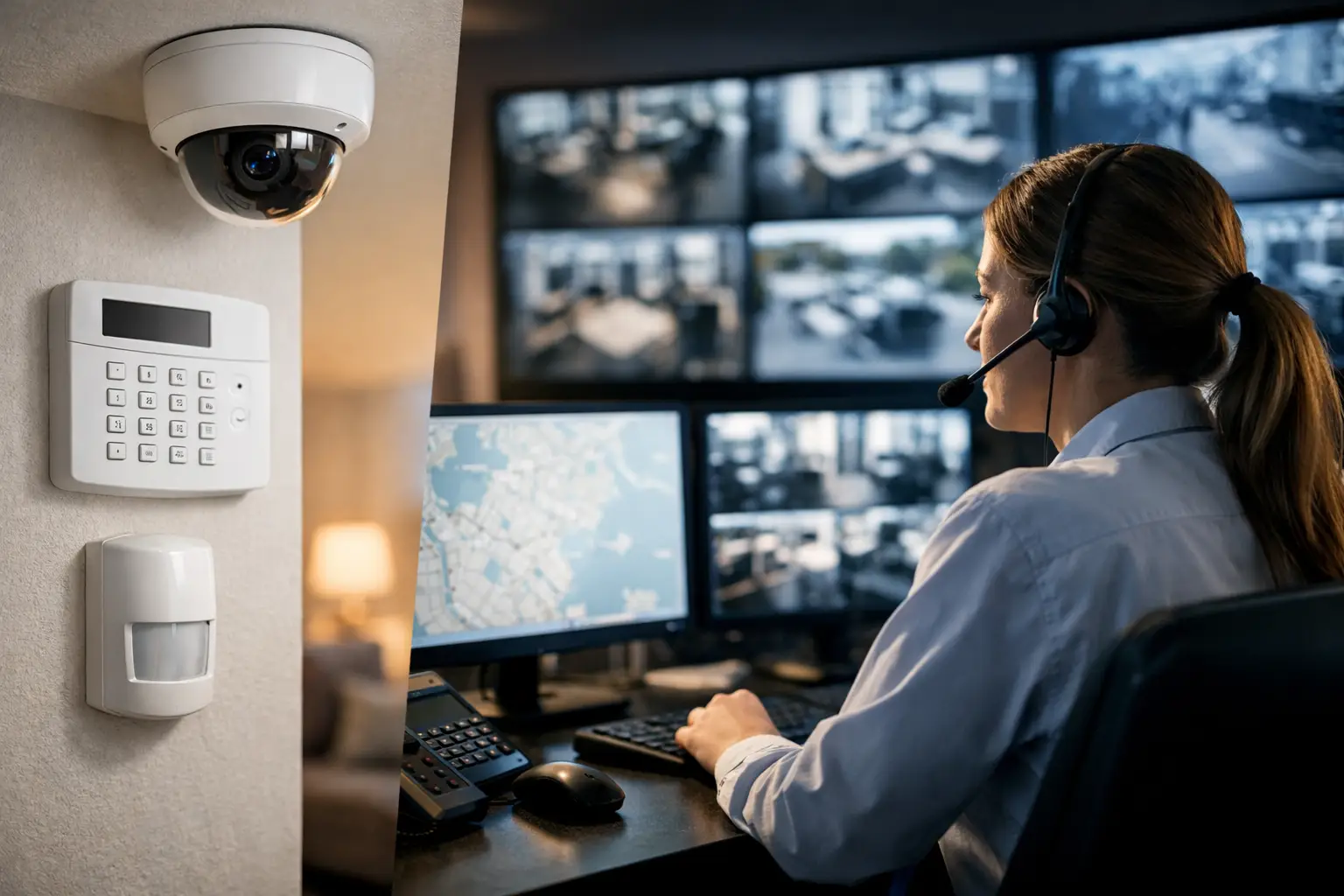
When a monitored device detects an event, it sends a signal to a monitoring center. Depending on the type of alarm and your customized response plan, trained monitoring professionals work to verify the event, contact designated users, and notify the appropriate emergency authorities when needed.
That process matters because phone alerts alone depend on you seeing them and being able to act. You might be in a meeting, on a flight, asleep, helping a child, or simply without reliable cell service. A monitoring center is staffed around the clock so an alarm does not have to rely on one person being available.
For a burglary alarm, monitoring can help ensure suspicious activity receives attention even when no one is at the property. For fire, carbon monoxide, and medical emergency devices, the value is even clearer: fast escalation can be essential when occupants cannot call for help themselves.
Centex Security connects customers with a Five Diamond Certified monitoring center, providing a higher standard of round-the-clock alarm response. It is protection built around real events, not just equipment on a wall.
The Difference Between Self-Monitoring and Professional Monitoring
Self-monitoring can be useful for everyday awareness. An app may let you check a camera feed, arm or disarm your system, receive a door alert, or see when someone arrives. It can be an affordable option for people who are usually available and want hands-on control.
But self-monitoring has a limitation: the response depends on you. If you miss a notification, cannot determine whether an alert is serious, or are too far away to help, the system may not lead to a timely emergency call.
Professional monitoring is designed to close that gap. It gives you a team that can follow your account instructions after an alarm signal, whether you are at home, at work, or away for the weekend. It does not replace smart-home control or camera access. It strengthens those tools by adding trained human oversight when an alarm event requires action.
The right approach depends on your property and risk level. A small apartment with a resident who is almost always home may have different needs than a family home, a retail store with inventory, or a business that sits vacant overnight. A free consultation can help identify where monitoring delivers the most value.
Emergencies That Benefit From Professional Response
Burglar alarms
A monitored burglar alarm can protect doors, windows, interior areas, and other vulnerable points. If a sensor is triggered while the system is armed, the monitoring center receives the signal and follows the established response procedure. Visible security equipment can also help discourage an intruder from choosing your property in the first place.
For businesses, burglary monitoring helps protect inventory, equipment, records, and the people who open and close the building. For homeowners, it helps protect personal belongings while supporting the safety of everyone inside.
Fire and carbon monoxide alerts
Smoke and carbon monoxide dangers can develop quickly, particularly at night. A monitored fire or carbon monoxide system provides an added layer of protection when residents are sleeping, away, or unable to make a call. Carbon monoxide is especially dangerous because it cannot be seen or smelled. Professional monitoring helps ensure an alarm is not left as a warning sound with no follow-up.
Medical emergencies
Older adults, people recovering from illness or surgery, and anyone with a health condition may benefit from monitored medical emergency protection. If a loved one needs assistance and cannot reach a phone, a medical alert device can send a signal for help. This can provide reassurance for families who cannot be present every hour of the day.
Why Response Plans Should Be Customized
No two properties operate the same way. A busy household may need separate codes for family members, a cleaner, or a dog walker. A business may need different call lists for opening managers, owners, and after-hours contacts. A vacation property may require special instructions for a neighbor or property manager.
Your monitoring plan should reflect those details. The right configuration can include the devices you need, the contacts monitoring professionals should call, and the order of notification for different alarm types. It should also account for the property itself: entry points, detached garages, server rooms, storage areas, back doors, and spaces where fire or carbon monoxide detection is especially important.
This is why one-size-fits-all packages can create gaps. The lowest equipment price is not always the best value if it leaves key areas unprotected or provides no dependable path for alarm escalation. A professionally configured system should fit your home, business, routines, and budget.
Smart Security Makes Daily Protection Easier
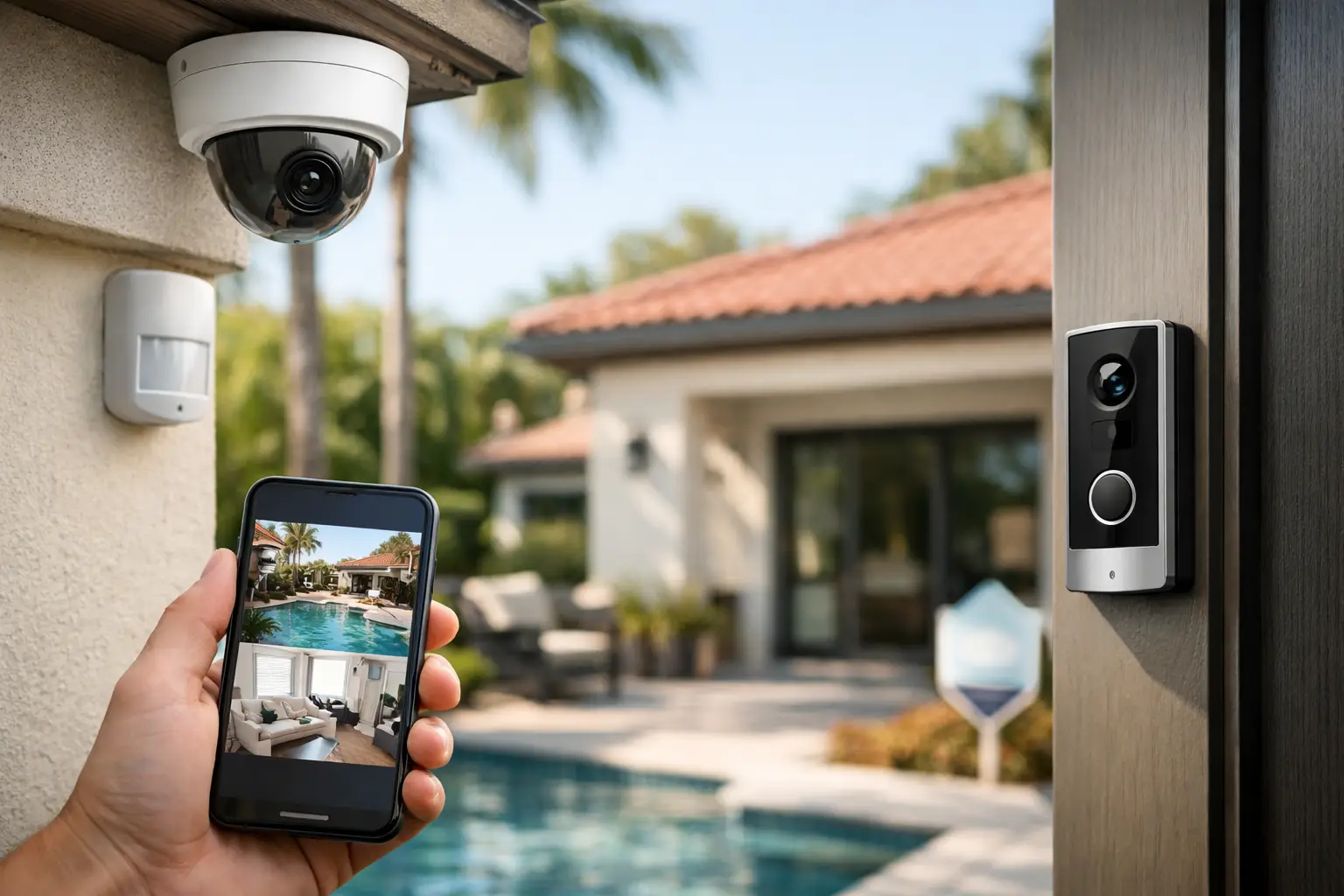
Professional monitoring works well with practical smart-security features. From one simple interface, you may be able to arm your system, check cameras, receive activity alerts, manage smart locks, and adjust connected lights or thermostats. These controls make it easier to build security into daily life rather than treating it as something you only think about after a scare.
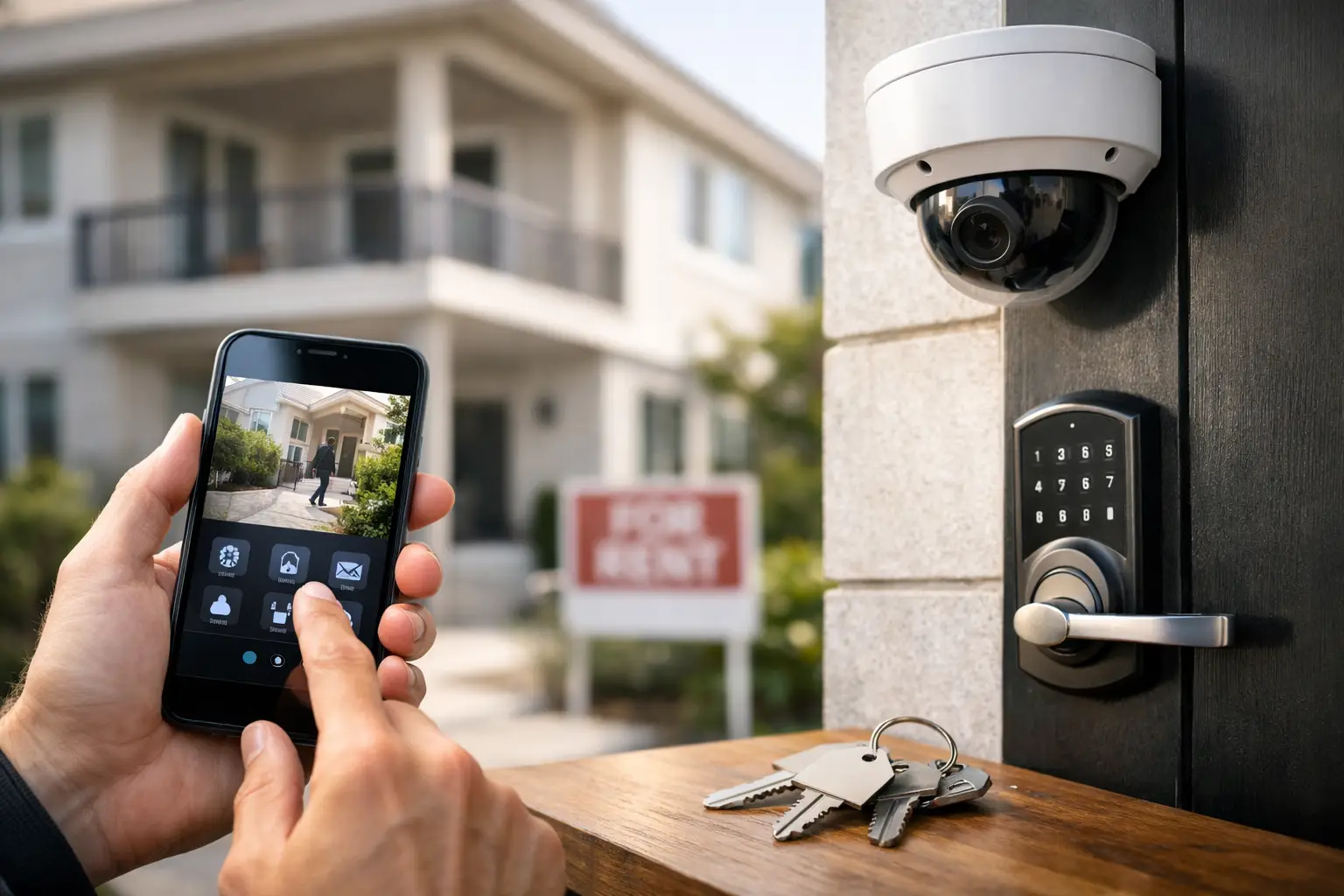
For example, a homeowner can confirm that the system is armed after leaving for work, check a camera when a delivery arrives, or give a trusted visitor temporary access without sharing a physical key. A business manager can receive a notification when an employee opens the building and review camera activity after an alarm event.
Smart features are valuable, but they should support a sound protection plan, not substitute for it. Cameras can provide visibility. Automation can add convenience. Professional monitoring provides an escalation path when an alarm requires attention.
What to Ask Before Choosing Alarm Monitoring
Before signing up for monitoring, ask clear questions about what happens after an alarm, how emergency contacts are managed, and whether the system can grow as your needs change. You should also ask which devices are included, how mobile access works, and what monthly monitoring costs cover.
Price matters, especially for families and small businesses managing a budget. The goal is not to pay for features you will never use. It is to choose dependable monitoring and the right devices for the risks you actually face. Affordable monthly monitoring can make professional protection accessible without forcing you into an oversized system.
Also remember that any alarm system works best when everyone understands it. Keep contact information current, make sure authorized users know their codes, test equipment as recommended, and tell your provider when household members or business contacts change. Simple upkeep helps monitoring professionals respond according to the most current instructions.
Protection That Stays On When You Cannot
Security is not about living in fear. It is about having a plan when something unexpected happens. With properly installed devices, smart controls, and 24/7 professional alarm monitoring, your home or business has support beyond a notification on a screen.
If you are weighing your options, start with the places and people you most need to protect. A no-cost security consultation can turn those priorities into a practical system and a monitoring plan that keeps watch long after you lock the door.