
A fire can turn from a small, containable problem into a life-changing emergency in minutes. That is why a monitored fire alarm system is more than a siren on the wall. It adds trained professionals who can respond to an alarm event when you are asleep, away from the property, or focused on getting people to safety.
For families, that can mean help is set in motion while everyone exits the home. For business owners, it can mean a faster response to a fire risk that could threaten employees, customers, inventory, equipment, and the ability to reopen. The right system gives you a clear layer of protection without making daily life more complicated.
What Is a Monitored Fire Alarm System?
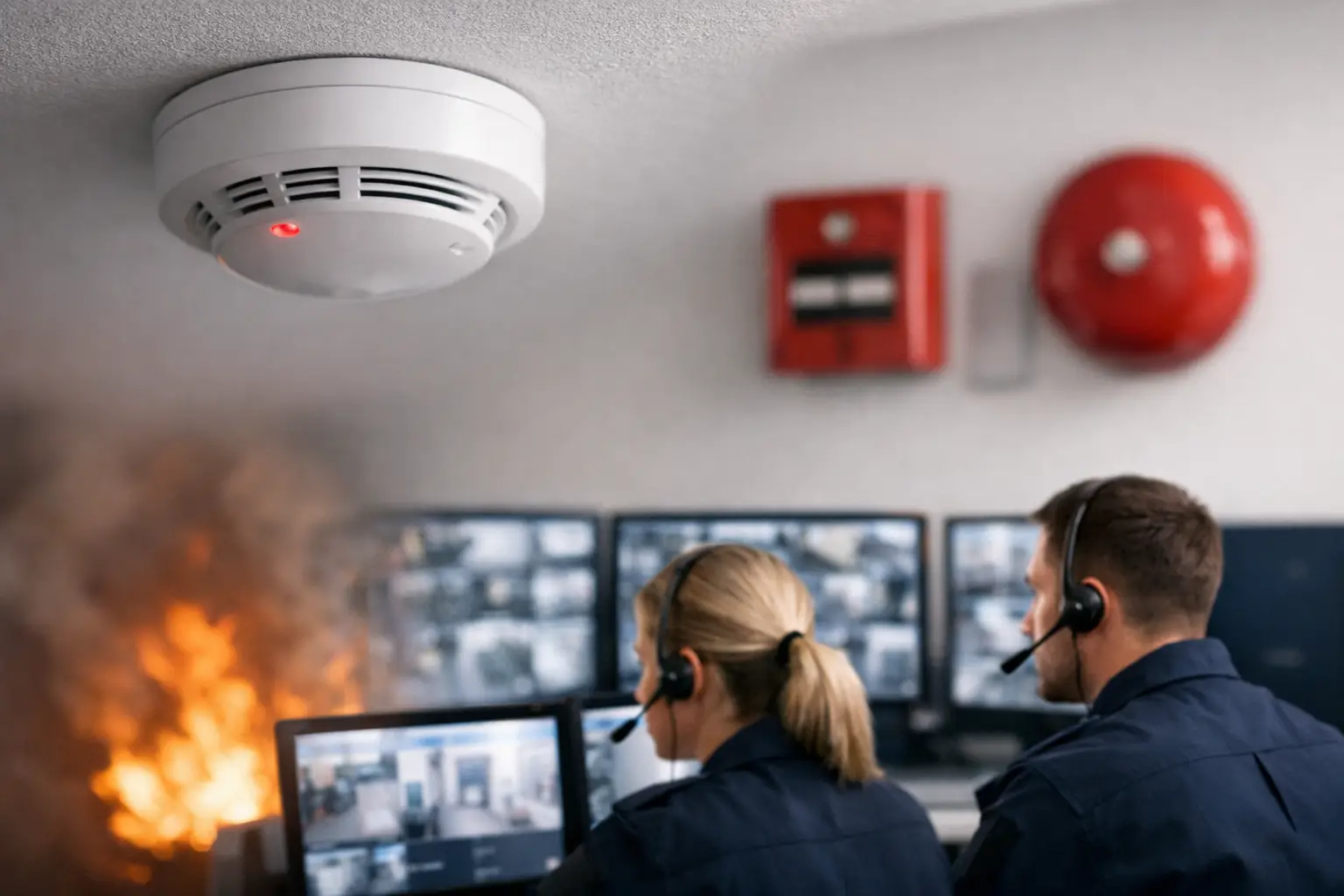
A monitored fire alarm system uses connected devices, such as smoke detectors, heat detectors, and sometimes carbon monoxide detectors, to identify signs of danger. When a device goes into alarm, it sends a signal to a professional monitoring center in addition to sounding an audible alarm at the property.
The monitoring team follows established emergency procedures for the account. Depending on the event type, local requirements, and the information available, they may attempt to contact designated contacts and request dispatch from the appropriate emergency authorities. The goal is simple: make sure an alarm does not go unnoticed just because nobody is nearby to hear it.
A standard smoke alarm remains essential, especially inside sleeping areas and throughout a home. But an unmonitored alarm depends on someone hearing it and taking action. If you are traveling, your business is closed, a tenant is away, or smoke begins in an area far from where people are gathered, that limitation matters.
Why Monitoring Changes the Equation
The first priority in a fire is always life safety. People should leave immediately when there is smoke, fire, or an active alarm, then call 911 from a safe location. No security system should be treated as a reason to investigate a fire or wait inside for a callback.
Professional monitoring supports that emergency plan by creating another path for action. A smoke or heat alarm can reach trained operators even if a phone is on silent, a building is empty, or the people inside are too busy helping children, guests, or older relatives evacuate.
This is particularly valuable for properties that are not occupied around the clock. A second home, rental property, office, retail store, warehouse, or restaurant may sit empty for hours at a time. A fire that begins after closing can cause serious damage before a neighbor notices smoke. Monitoring cannot prevent every loss, but earlier notification may improve the chance of a faster emergency response.
There is also a practical emotional benefit. When you leave for work or lock up a business for the night, you are not relying only on a local alarm sound. You have a plan for what happens after an alarm signal is detected.
Smoke Detectors and Heat Detectors Serve Different Jobs
Many people use the words smoke detector and fire detector interchangeably, but they do not always serve the same purpose. A professionally designed system considers where each device belongs and what conditions are likely in that area.
Smoke detectors are designed to recognize particles associated with combustion. They are commonly used in living spaces, hallways, bedrooms, offices, and other areas where smoke may be an early warning sign. Placement is critical because air movement, ceiling height, and room layout can affect performance.
Heat detectors react to a rapid rise in temperature or when a set temperature is reached. They are often useful in locations where ordinary activity may create smoke, steam, or cooking fumes, such as kitchens, garages, utility rooms, or certain commercial work areas. A heat detector may reduce nuisance alarms in the right setting, but it is generally not a replacement for smoke detection where smoke alarms are appropriate.
For commercial properties, the system may need additional devices such as manual pull stations, horn and strobe notification appliances, sprinkler monitoring, or supervisory signals. Requirements can vary based on building use, occupancy, local code, and the authority having jurisdiction. That is one reason a one-size-fits-all package can leave important gaps.
The Best System Is Designed Around the Property
A small single-family home needs a different approach than a multi-suite office, medical practice, retail store, or light industrial space. The layout matters. So do ceiling heights, sleeping areas, cooking locations, electrical rooms, customer areas, and whether people are present after hours.
During a professional consultation, the focus should be on practical questions. Where would a fire most likely begin? Which areas are occupied or unoccupied overnight? Are there children, older adults, pets, or employees who may need extra time to exit? Does the property already have fire equipment that needs to be monitored? Are there locations where smoke detection could create frequent false alarms?
A properly configured system also accounts for the customer’s contact list and response instructions. If an alarm occurs, the monitoring center needs accurate names, phone numbers, passcodes, and site details. These details can seem minor until an emergency happens. Keeping them current is part of keeping the system ready.
Centex Security helps residential and commercial customers across Florida and Georgia build protection around their property, budget, and daily routine rather than forcing them into a generic setup.
What Happens After a Fire Alarm Signal?
Exact procedures vary by system configuration and local emergency protocols, but the sequence typically starts when a connected detection device sends an alarm signal to the monitoring center. Trained operators review the event information and follow the account’s emergency instructions.
They may contact the premises or designated contacts when appropriate and request emergency dispatch according to established procedures. If authorities are dispatched, responders make the final decisions at the scene. Monitoring is a critical communication layer, not a substitute for evacuation, fire safety practices, insurance, or emergency services.
False alarms are a real consideration, especially in homes with frequent cooking smoke or in businesses where dust, steam, or high heat are part of normal operations. The answer is not to disable a device or ignore repeated alarms. It is to identify the cause and adjust device selection, placement, maintenance, or system settings with a qualified professional.
Fire Monitoring Works Better With the Right Habits
A monitored system is strongest when it supports a complete fire-safety routine. Test alarms as recommended by the manufacturer and your service provider. Replace batteries when required, keep detectors free of dust and paint, and report trouble signals promptly. Never remove or cover a detector because it is inconvenient.
At home, create an escape plan with two ways out of each room when possible, choose an outdoor meeting point, and practice the plan with children. Make sure everyone understands that once they are outside, they stay outside. Go back in only if instructed by emergency responders.
Business owners should also maintain an evacuation plan that employees can follow without confusion. Clearly marked exits, trained staff, current emergency contacts, and regular review of procedures can reduce panic when every second counts. If your business changes its layout, adds equipment, or expands into another suite, revisit the fire protection design as well.
Choosing Monitoring Without Overpaying
Affordable monitoring should not mean unclear service or equipment that does not fit the property. Ask what signals are being monitored, whether fire and carbon monoxide protection are included, how alarm events are handled, and what ongoing service is available if a device needs attention.
It is also reasonable to ask about the monitoring center’s credentials and availability. A Five Diamond Certified monitoring center reflects a commitment to training, quality processes, and professional emergency response standards. That matters because the value of a monitored system is not just the device that detects danger. It is the people and process behind the signal.
The best option depends on the property and its risks. A homeowner may need monitored smoke and carbon monoxide detection integrated with a burglar alarm and smart controls. A business may need a more specialized fire configuration with monitored equipment and clear after-hours escalation. In both cases, a no-cost consultation can help separate what is truly necessary from what is merely extra.
A fire alarm is there to warn you. Monitoring helps ensure that warning has somewhere to go when you need help most. Taking time now to review your property, your emergency contacts, and your protection plan can make a difficult moment easier to act on.