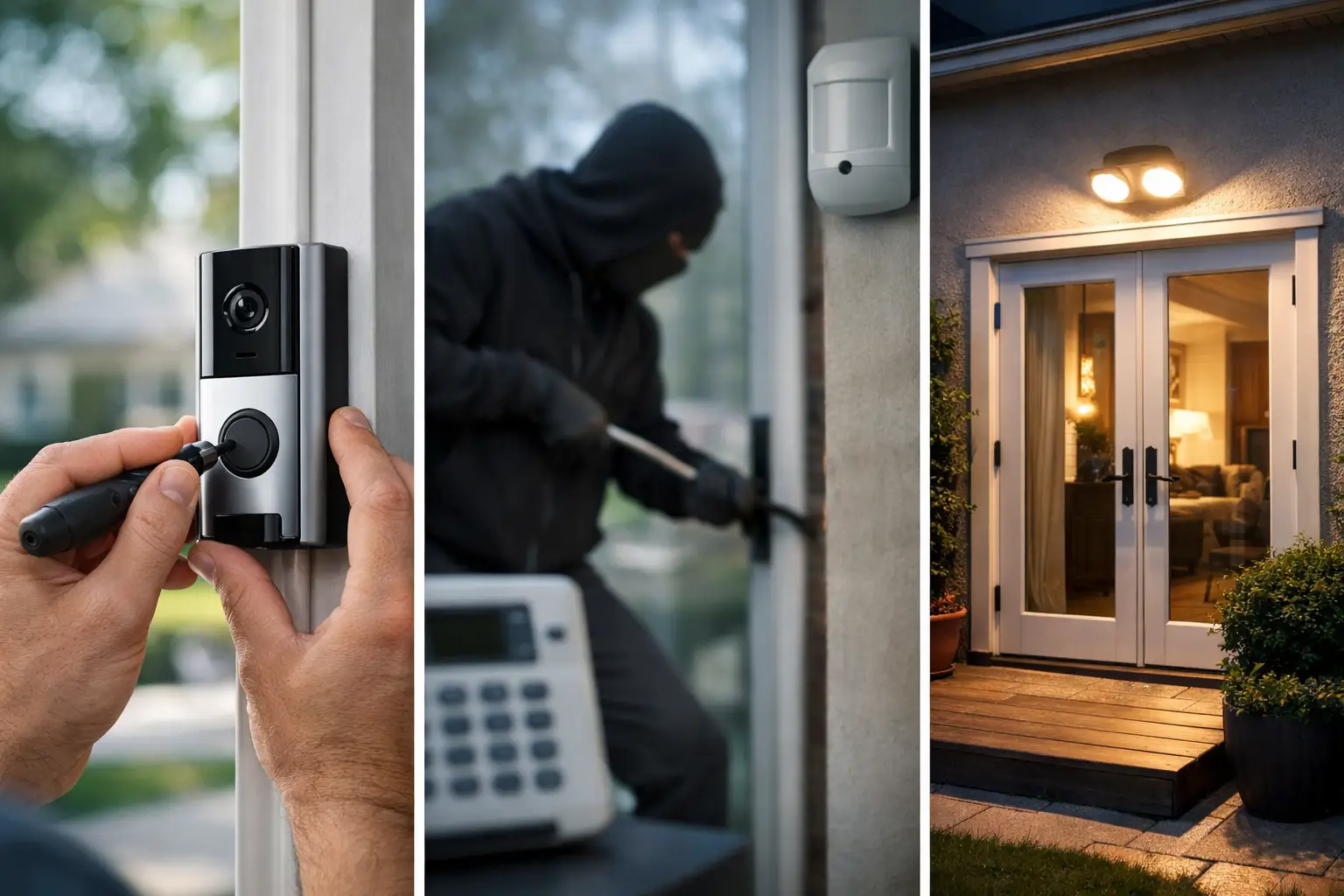

A burglar usually looks for the fastest, quietest opportunity – an unlocked side door, a poorly lit patio, a garage entry that is out of sight, or a home that appears empty for days. Learning how to prevent home burglary starts with removing those easy opportunities and creating layers of protection that work whether you are asleep, at work, or away with family.
For homeowners across Florida and Georgia, the strongest approach is not a single lock or camera. It is a practical combination of secure entry points, visible deterrents, smart daily habits, and a monitored alarm system that can call for help when you cannot.
How to Prevent Home Burglary at the Doors
Most burglaries begin at a door, and not always the front door. Side entrances, back doors, doors between the garage and home, and sliding glass doors deserve the same attention. Start by checking that every exterior door has a solid-core or metal construction, a quality deadbolt, and a reinforced strike plate secured with long screws that reach the wall framing.
A strong lock is only useful when the doorframe can withstand force. If the strike plate is thin, loose, or attached with short screws, the frame may give way before the lock does. Door reinforcement hardware can add meaningful protection, especially on older homes or doors that have seen years of use.
Do not overlook the garage. Keep the overhead garage door closed, even when you are home, and lock the interior door leading from the garage into the house. Avoid leaving a garage remote in a vehicle parked outside. If someone breaks into the vehicle, they may gain easy access to your garage and a concealed path to your home.
Sliding doors need extra care because their locks can be weaker than a standard deadbolt. A properly fitted security bar or dowel in the track helps prevent the door from being forced or lifted open. It is a simple, affordable step that can make a major difference.
Protect Windows Without Making Your Home Feel Closed Off
Windows provide light, ventilation, and a view of your property, but they can also become an entry point when left unsecured. Verify that every accessible window locks properly. Pay particular attention to first-floor windows, windows near fences or gates, and windows hidden by landscaping.
If a lock no longer catches firmly, repair or replace it rather than relying on a temporary workaround. Window sensors connected to a security system add another layer by alerting you when a protected window is opened. Glass-break detection can be useful for rooms with large windows or sliding glass doors, where an intruder may try to bypass a lock by breaking the glass.
The right setup depends on your home and your routines. A family with pets that frequently use a screened patio may need a different sensor plan than a homeowner with a rarely used guest room. Custom protection is more effective than assuming every window needs identical equipment.
Make the Property Look Occupied and Difficult to Approach
Burglars prefer privacy. Good exterior lighting reduces hiding places and makes unusual activity easier for neighbors, passersby, and cameras to detect. Install motion-activated lights around entrances, driveways, side yards, gates, and rear patios. Aim lights downward where they illuminate walking paths and doors without shining directly into bedrooms or neighboring homes.
Landscaping matters, too. Trim shrubs and tree branches that block windows, obscure doorways, or create concealment near the house. This does not mean stripping your yard bare. It means maintaining clear sightlines around the places an intruder could use to approach or hide.
When you travel, avoid broadcasting an empty home. Put interior lights on varied timers, pause packages and mail when possible, and ask a trusted neighbor to keep an eye on the property. Keep curtains or blinds arranged normally instead of closing every window tightly for a week. A home that looks lived in is less inviting than one that clearly appears vacant.
Use Cameras for Awareness, Not False Confidence
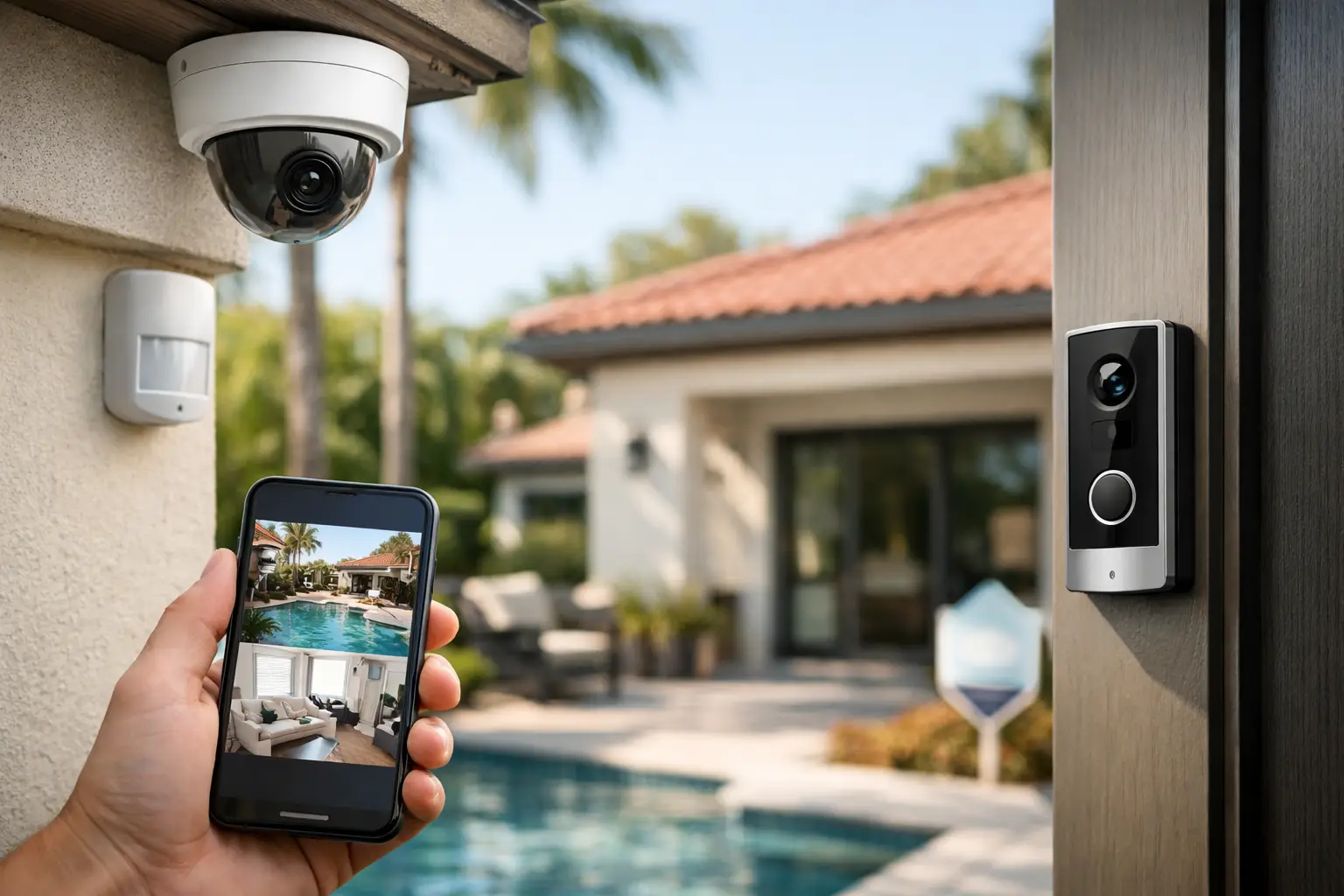
Security cameras can deter unwanted activity, document what happened, and help you check on your property from virtually anywhere. They are especially useful at front doors, driveways, garages, rear entrances, and other areas where people should not be moving around unnoticed.
Camera placement matters more than simply adding more cameras. A camera should capture faces at a usable angle, cover the path toward an entry point, and remain protected from glare, heavy weather, and easy tampering. A camera mounted too high may show that someone arrived but fail to provide a clear identifying image.
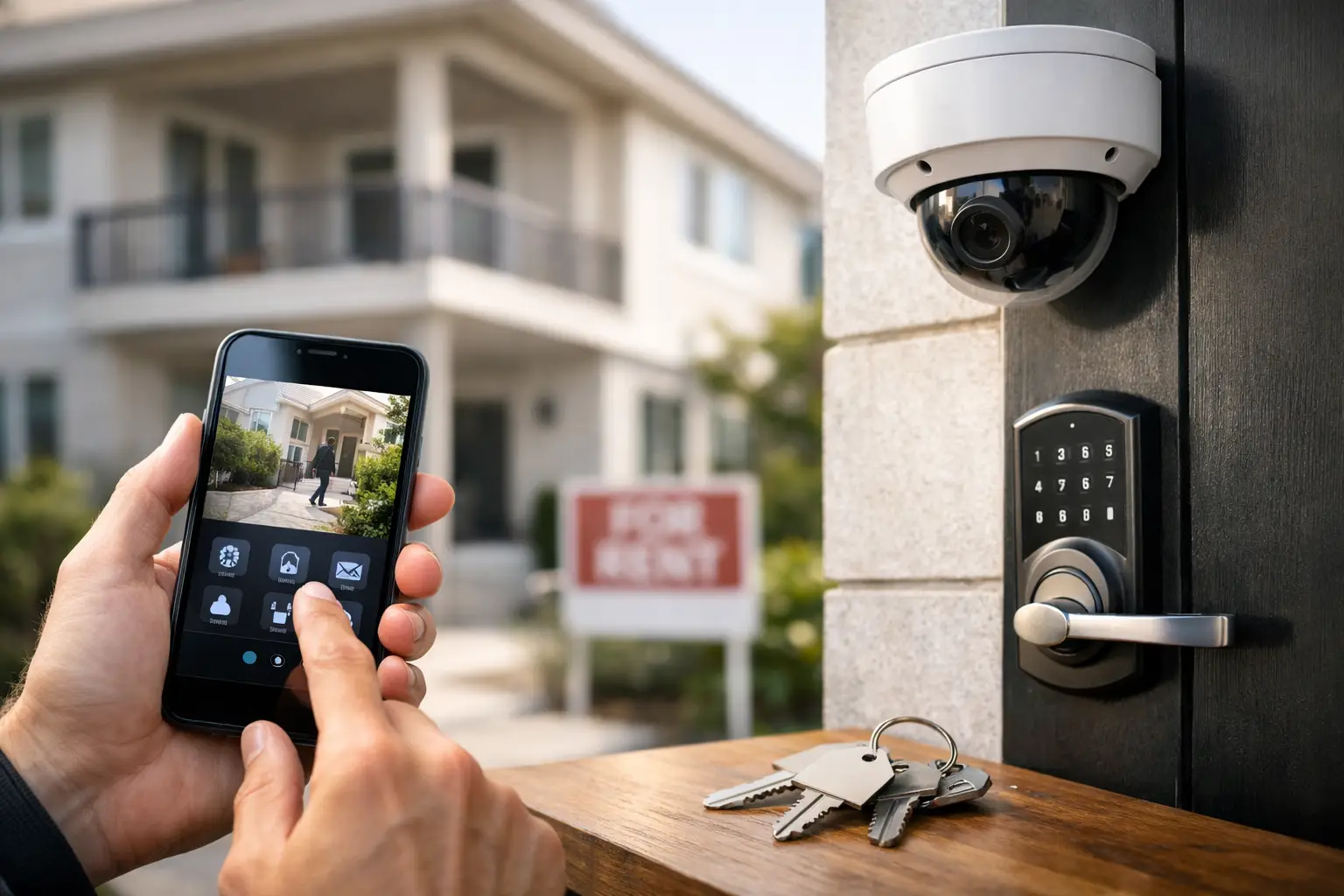
For many households, mobile viewing and activity alerts are the most valuable features. You can see when a delivery arrives, check whether a child made it home, or review an alert from the backyard. Still, cameras do not physically stop an intruder, and recorded footage does not replace an immediate response. Pair cameras with strong locks, lighting, and a monitored alarm for more complete protection.
Add a Monitored Alarm System That Can Call for Help
An alarm system creates an active line of defense when a door opens unexpectedly, a window is breached, or movement is detected inside an armed home. The audible alarm can discourage an intruder from staying. More importantly, professional monitoring means trained specialists can respond to an alarm event and contact the appropriate authorities when needed.
This distinction matters when you are in a meeting, asleep, traveling, or unable to reach your phone. Self-monitored alerts are useful, but they place the responsibility on you to see the notification, assess the situation, and decide what to do. Professional 24/7 monitoring adds support at the moment speed matters most.
A professionally designed system can include door and window sensors, motion detection, glass-break sensors, indoor and outdoor cameras, and smart controls for locks and lights. It can also bring fire, carbon monoxide, and medical emergency protection into the same system. That broader coverage helps protect more than belongings – it helps protect the people inside the home.
Choose a provider that assesses the layout of your home, your household routine, and the areas that concern you most. A Five Diamond Certified monitoring center is an added sign that monitoring quality and operator training are being taken seriously.
Build Daily Habits That Close Security Gaps
Even the best system works better when it supports consistent habits. Make locking the doors part of your departure routine, including the garage-to-house door. Arm your system when leaving and at night, and make sure every adult in the household knows how to use it.
Be thoughtful about keys and access codes. Do not hide a spare key under a mat, planter, or decorative object near the entrance. If you need to provide access to a dog walker, cleaner, contractor, or relative, a smart lock with a unique temporary code gives you more control than an unattended key. Delete or change that code when access is no longer needed.
Social media can create an avoidable risk as well. Save vacation photos for after you return, and avoid posting real-time location details that tell strangers your home is empty. Teach children not to open the door to unexpected visitors and to tell an adult if something outside feels wrong.
Get Protection That Fits Your Home
There is no single answer for every property. A condo may need focused entry protection and doorbell video, while a larger home may benefit from perimeter sensors, multiple camera views, and automated lighting. Homes with older relatives, young children, or frequent travel may also need different priorities.
A no-cost security consultation can identify weak points that are easy to miss and help you choose protection that stays within your budget. Centex Security designs professionally configured systems with affordable monitoring options, so homeowners can protect the places and people that matter without paying for equipment they do not need.
The best time to improve home security is before an attempted break-in forces the decision. Start with the entry points you use every day, then add the monitoring and visibility that let your home keep watch when you cannot.