
A door sensor in the wrong place, an unprotected side entry, or an alarm that no one responds to can leave a property exposed when it matters most. Professional wireless burglar alarm installation turns a collection of devices into a coordinated protection plan – one designed around how your home or business actually operates.
For families, that can mean knowing the system is armed while everyone is asleep, receiving an alert when a child arrives home, or having trained monitoring professionals ready to act during an alarm event. For business owners, it can mean protecting inventory, offices, equipment, and employees without making daily opening and closing routines harder.
What Wireless Alarm Installation Should Protect
A wireless burglar alarm system is more than a keypad and a siren. It is a network of sensors, controls, and communication equipment that can detect unauthorized entry and send an alarm signal for professional response. The value comes from proper placement, dependable communication, and a plan that matches the risks of the property.
Most systems begin with the exterior openings that burglars are most likely to use. Door and window contacts can detect when a protected opening is opened. Motion detectors add another layer by watching interior areas such as hallways, living rooms, stockrooms, and office corridors. Glass-break sensors may be appropriate near large windows or sliding glass doors, especially where breaking glass could provide quick access.
The right coverage depends on the building. A single-family home with a garage, patio door, and second-floor windows has different needs than a retail store with several employee entrances and a rear receiving door. A professional consultation identifies the openings, interior paths, and daily routines that deserve attention instead of selling a one-size-fits-all package.
Wireless equipment is especially useful when running new wiring would be disruptive or costly. It can often be installed cleanly in finished homes, offices, rental properties, and additions. That does not mean every device belongs everywhere. Signal range, wall materials, room layout, pet activity, and the location of the control panel all affect the design.
Why Professional Wireless Burglar Alarm Installation Matters
Do-it-yourself devices may appear simple, but security gaps are often difficult to see until after an incident. A professionally configured system considers how an intruder could enter, how someone moves through the property, and how to avoid frequent false alarms that cause people to stop taking alerts seriously.
Correct sensor placement is one example. A motion detector aimed at a sunny window, an air vent, or an active pet area may produce unwanted alarms. A door contact installed without checking alignment may fail to perform reliably. A camera can help verify activity, but it does not replace intrusion sensors that immediately trigger an alarm event when an entry point is breached.
Professional installation also helps ensure the system communicates when a power outage or internet interruption occurs. Depending on the equipment and service selected, cellular communication and battery backup can keep the alarm connected when a basic Wi-Fi-only setup might be unavailable. This matters during storms and outages, which are familiar concerns for property owners across Florida and Georgia.
Just as important, an installed system should be easy to use. If arming the alarm feels complicated, people will skip it on busy mornings or late nights. A well-designed system puts control within reach through a keypad, mobile app, remote access features, or automation schedules that fit the household or business routine.
The Installation Process: From Walk-Through to Protection
A quality installation starts with questions, not equipment. During a consultation, the security professional should learn who uses the property, which doors are used most often, whether pets are present, where valuables are kept, and how the building is occupied after hours. A business may also need to consider employee access, restricted rooms, deliveries, and closing procedures.
A Security Assessment Finds the Gaps
The assessment typically includes exterior doors, accessible windows, garages, patios, storage areas, and interior travel paths. For commercial properties, it may include server rooms, cash handling areas, offices, inventory rooms, and secondary entrances that are easy to overlook.
This is also the time to discuss life-safety protection. Smoke, carbon monoxide, flood, medical emergency, and panic devices can be integrated into many monitored systems. A burglar alarm protects against intrusion, but a broader monitored system can help protect people during emergencies that have nothing to do with a break-in.
The System Is Designed Around Daily Life
After identifying the risks, the installer recommends the right combination of devices. Some properties need comprehensive perimeter protection so occupants can move freely inside while doors and windows remain secured. Others benefit from motion detection in targeted areas. A small business may need user codes for employees, scheduled arming, and notifications when the system is disarmed outside normal hours.
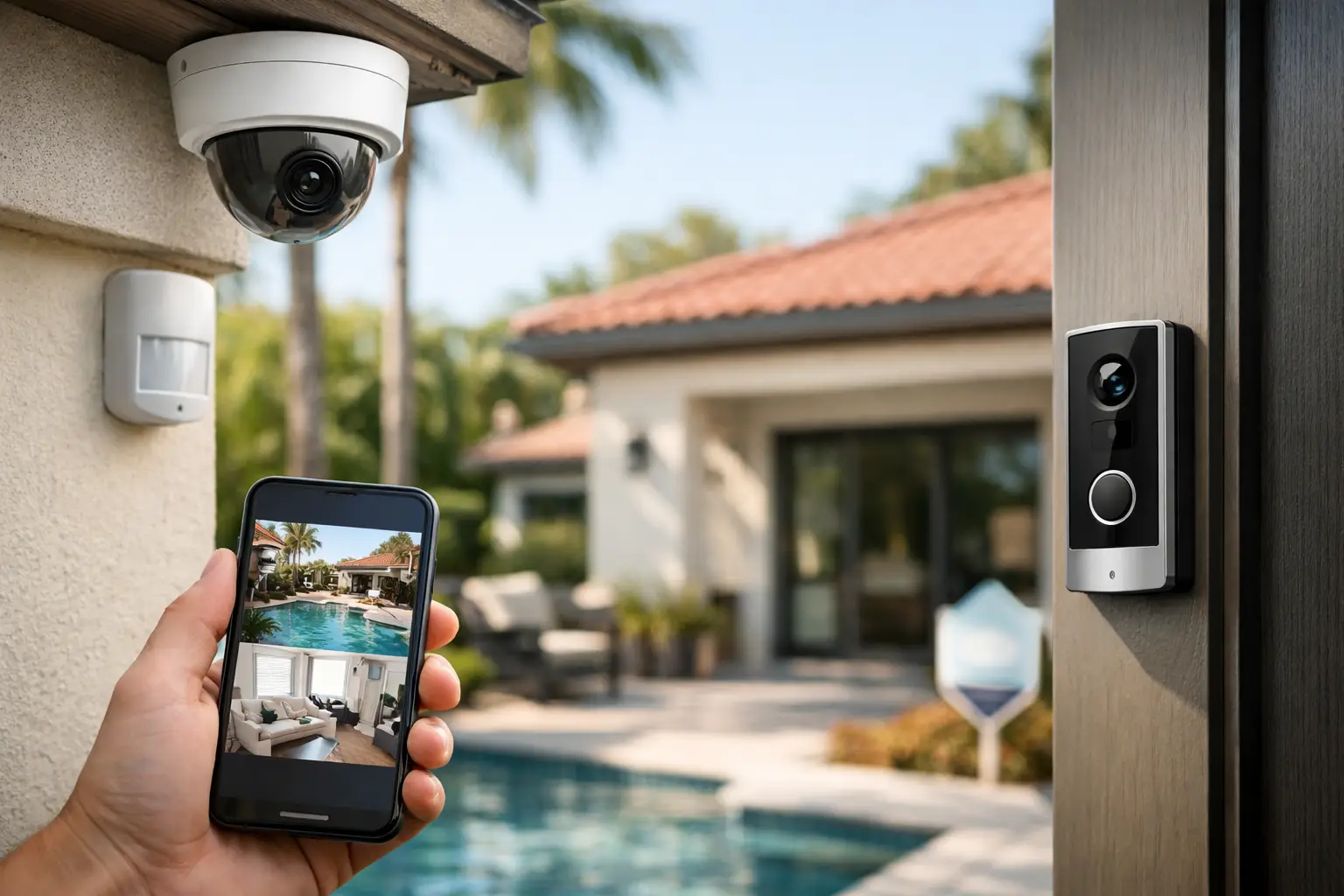
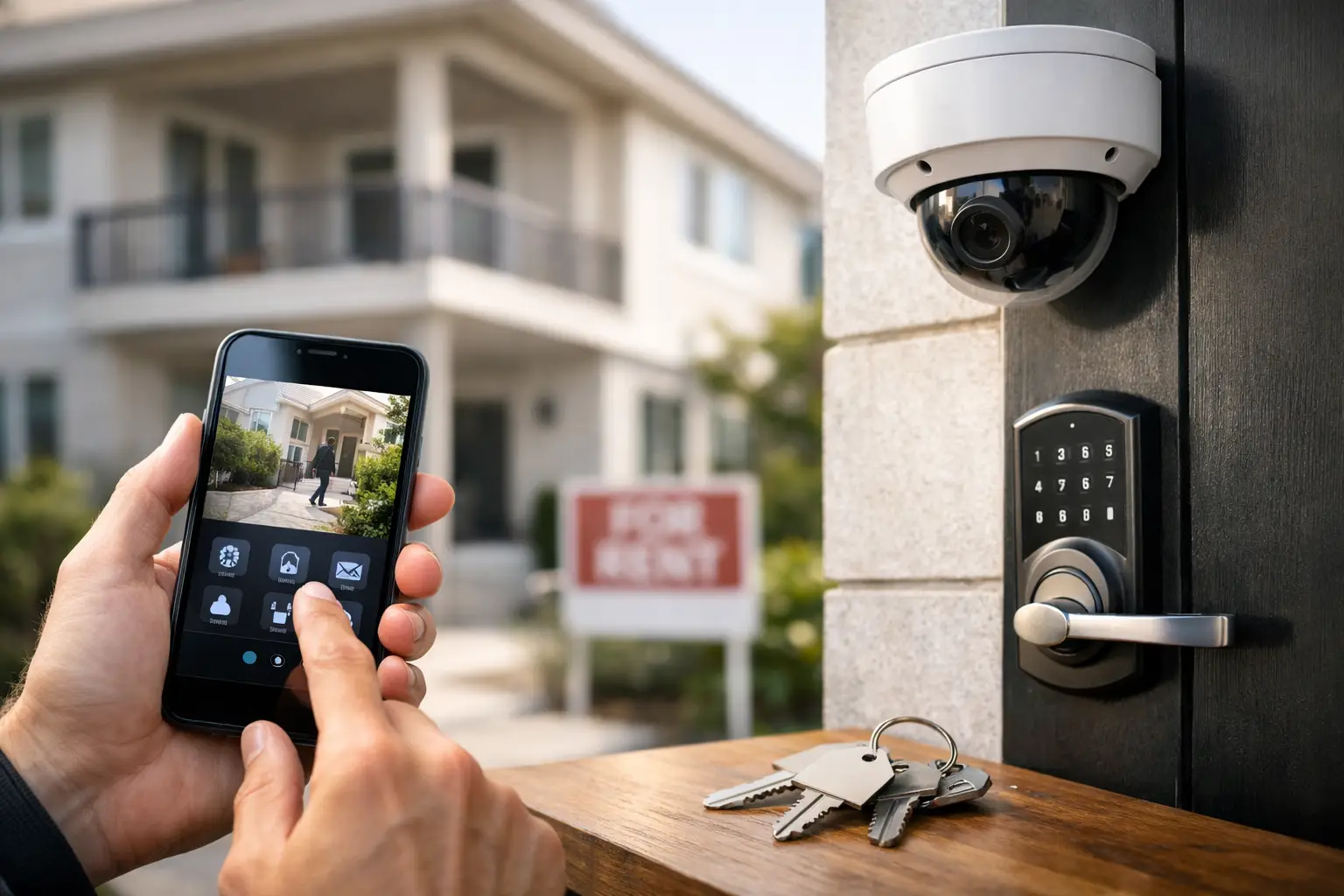
Smart-home and business automation can add practical control. You may be able to arm or disarm the system remotely, receive activity notifications, view compatible cameras, adjust lights, or manage locks from one app. These features should make security easier, not create unnecessary complexity. The best setup is the one everyone responsible for the property will actually use.
Devices Are Installed, Tested, and Explained
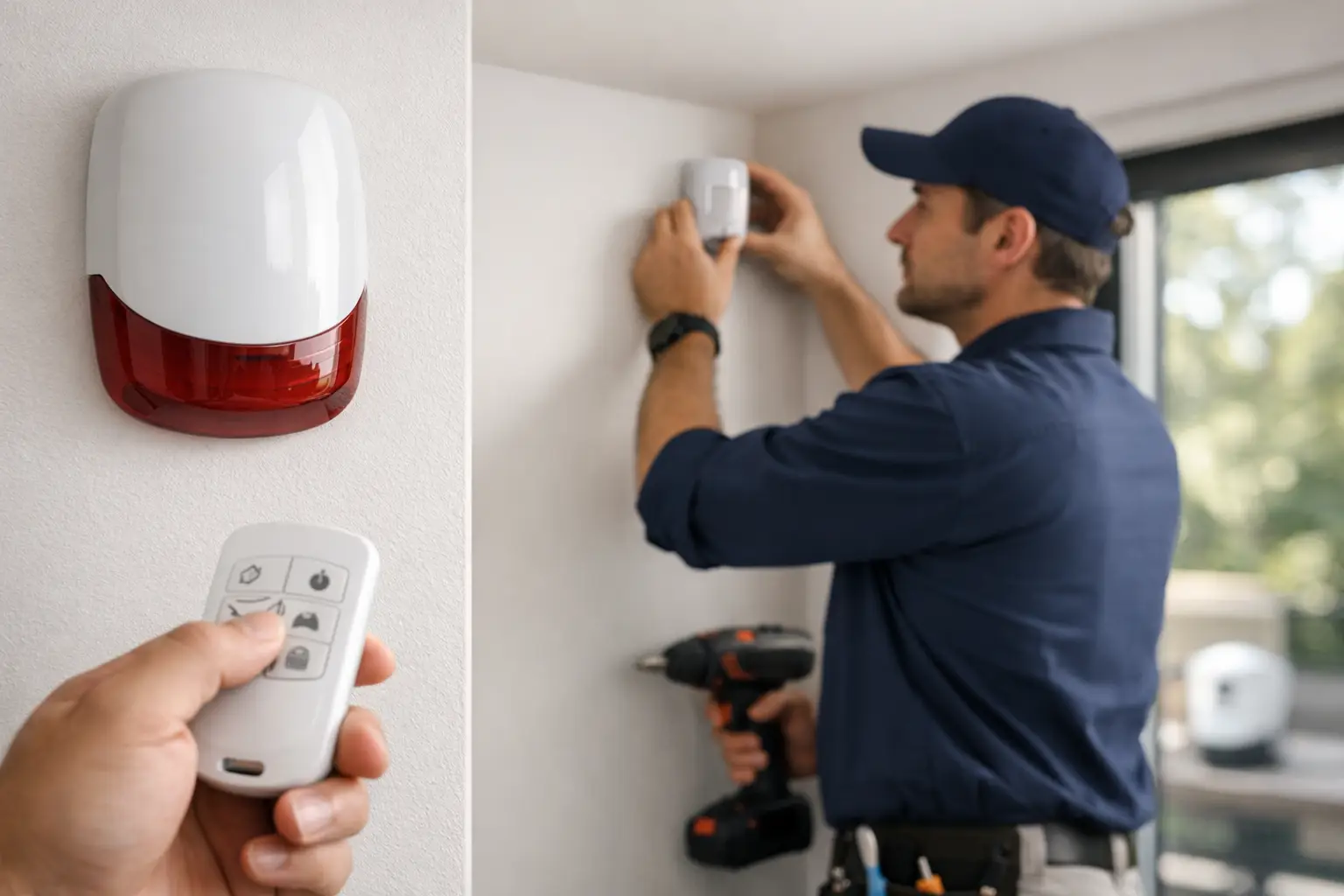
During installation, each device is mounted, enrolled with the control panel, and tested. The team should verify that sensors report correctly, alarms sound as expected, and communications reach the monitoring center. You should also receive clear instruction on arming modes, user codes, mobile controls, alarm cancellation, and what to do if a device needs service.
For a business, training should include the employees who open and close the facility. For a home, make sure adults, older children who have approved access, and trusted caregivers understand the basic process. Clear instructions reduce false alarms and make it more likely the system will be armed consistently.
Monitoring Turns an Alarm Into a Response Plan
An audible siren can discourage an intruder, but it cannot call for help. Professional 24/7 monitoring provides another layer of protection by receiving alarm signals and following established response procedures. Depending on the alarm type and circumstances, monitoring professionals can attempt to contact the appropriate people and request dispatch from local authorities when needed.
This is especially valuable when you are traveling, at work, asleep, or unable to check an alert yourself. A smartphone notification is useful, but it puts the burden on you to see it, assess the situation, and decide what to do. Monitored protection gives you a trained response path when you cannot be there.
Centex Security pairs customized alarm design with access to a Five Diamond Certified monitoring center, helping homeowners and business owners choose dependable protection without assuming that effective security must be out of reach. The goal is not to load a property with devices. It is to provide the coverage and response support that make sense for the risk.
Questions to Ask Before You Schedule Installation
Before choosing a provider, ask whether the proposed system has battery backup and a reliable communication path beyond your regular internet connection. Ask how monitoring handles burglar, fire, carbon monoxide, medical, and panic alarms. It is also wise to ask what happens if you move, renovate, add a detached building, or expand your business.
Make sure you understand the monthly monitoring cost, equipment costs, service options, and any promotional pricing. Affordable monitoring is valuable, but the lowest price is not always the right choice if it leaves out professional installation, dependable communications, or the protection your property needs.
You should also ask how the system can grow. A homeowner may later want cameras, smart locks, or environmental sensors. A business may add offices, access needs, or a second location. Selecting a flexible platform can prevent the need to start over as your needs change.
Protection Should Feel Simple
A wireless security system should give you confidence, not another complicated task to manage. When the sensors are placed thoughtfully, the controls are clear, and professional monitoring is ready around the clock, protecting your property becomes part of the routine.
A no-cost security consultation is a practical first step. Walk the property with a professional, discuss the concerns that keep you up at night, and build a wireless alarm plan that protects the people, places, and possessions that matter most.