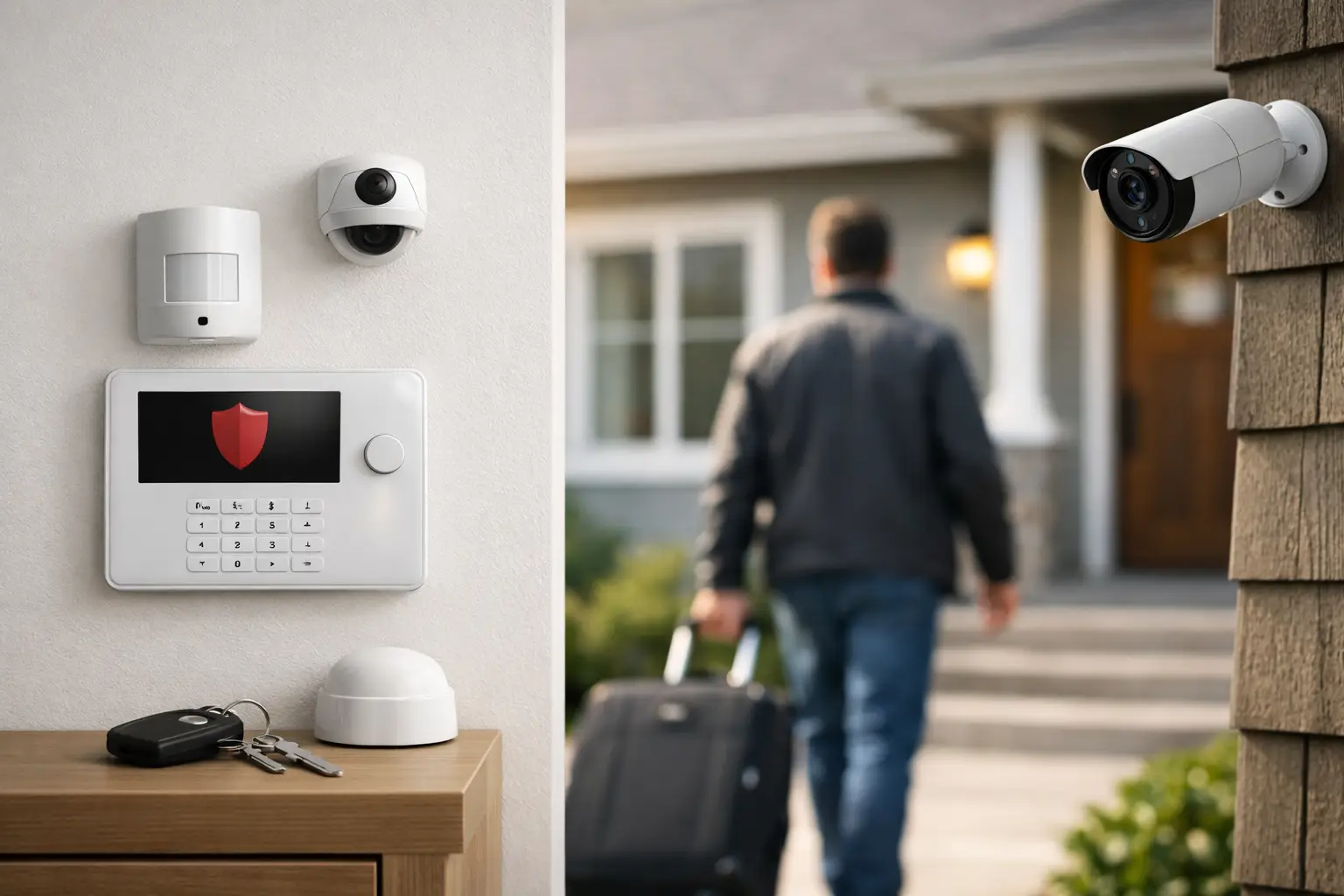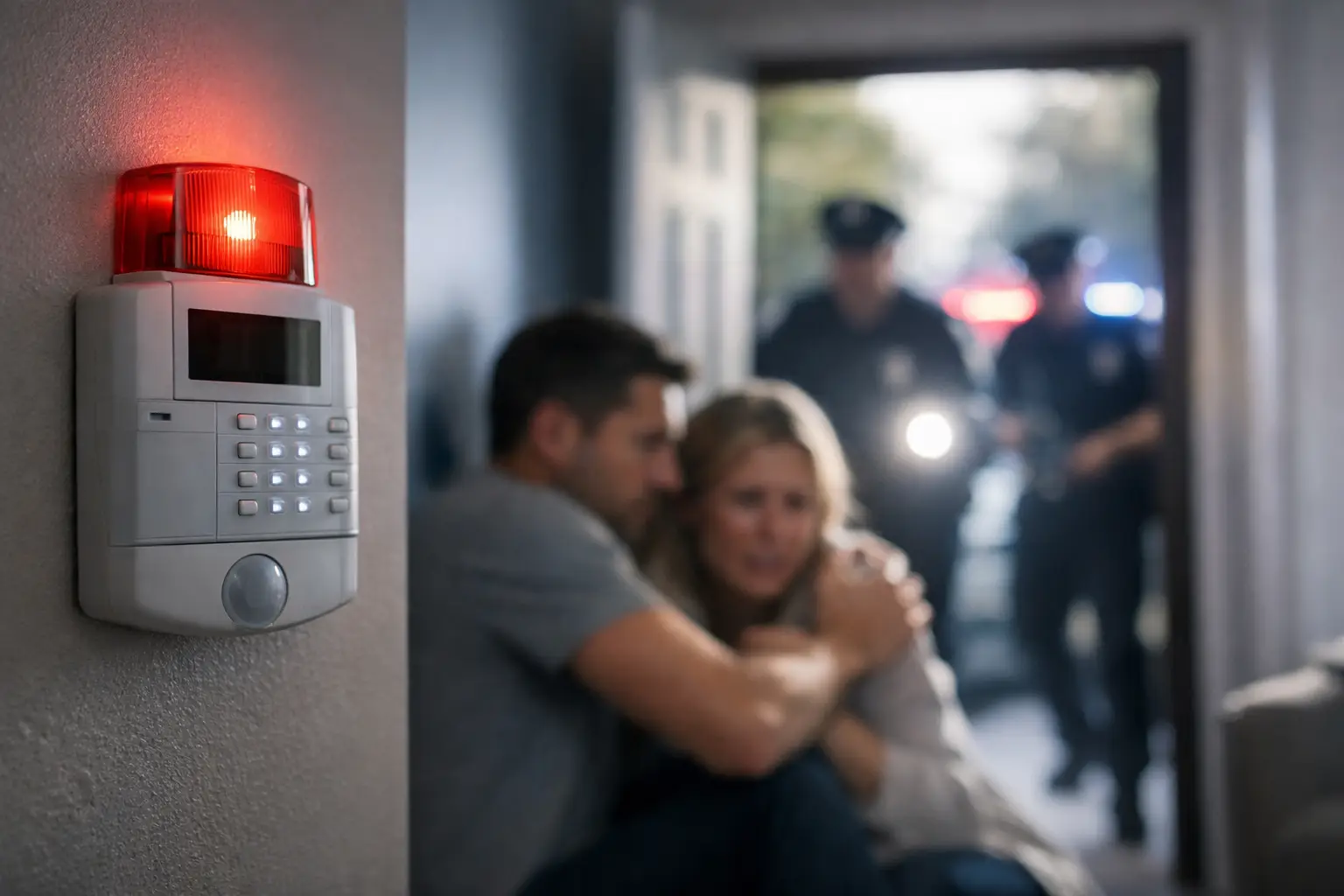

A burglar alarm can sound in seconds. What happens after alarm activation determines whether that moment becomes a verified emergency response, a quick check-in, or a false alarm resolved before it disrupts your day. With professional monitoring, your system does more than make noise. It sends an alarm signal to trained operators who follow a response plan built around your property, contacts, and the type of emergency.
For homeowners and business owners in Florida and Georgia, understanding that process makes it easier to choose the right protection and respond calmly when an alert occurs.
What Happens After Alarm Activation With Monitoring?
When a protected door, window, motion detector, smoke detector, carbon monoxide sensor, medical pendant, or other device is triggered, the security panel sends a signal to the monitoring center. That signal identifies the account, the type of alarm, and often the specific zone involved. A front-door alarm, for example, may be handled differently from a fire alarm or panic alarm.
The monitoring center receives the event around the clock. A professionally monitored system is designed to keep communicating even when you are not looking at your phone, are asleep, or are away from the property. Depending on the equipment and service setup, the system may use cellular communication rather than relying only on a home internet connection or traditional phone line.
An operator then begins the response procedure. The exact order can vary based on the alarm type, local requirements, your account instructions, and whether the situation appears to be life-threatening. This is why a system should be configured for the people and risks it is meant to protect, not pulled from a one-size-fits-all package.
The monitoring center reviews the event
First, the operator reviews the incoming alarm information and your account instructions. They may see that a particular sensor was tripped, that more than one zone was activated, or that a fire or carbon monoxide detector is reporting an emergency condition.
A single motion detector can sometimes be triggered by a pet, an improperly secured window, or a person entering after forgetting to disarm the system. Multiple activations or a verified video event may indicate a more urgent threat. Monitoring professionals do not assume every alarm is the same, but they treat every signal seriously.
You or your emergency contacts may receive a call
For many burglar alarms, the monitoring center will attempt to contact the people listed on the account. The operator may ask for a passcode to confirm that they are speaking with an authorized person and to determine whether emergency dispatch is needed.
Answering the call quickly can help clarify a false alarm, but you should never put yourself at risk to do so. If you are outside the property and suspect someone may be inside, do not enter to investigate. Tell the operator what you know and wait for law enforcement.
Contacting you is not the same as asking you to decide whether an emergency is real. If the operator cannot reach you, receives an incorrect passcode, hears signs of danger, or follows a response plan that calls for immediate dispatch, they can contact the appropriate authorities.
Emergency services are dispatched when needed
When an alarm is verified or the account instructions require immediate action, the monitoring center requests help from the appropriate emergency service. That may mean police for a burglary or panic alarm, the fire department for smoke or heat detection, emergency medical services for a medical alert, or help for a carbon monoxide emergency.
Response times are controlled by local agencies, traffic, weather, call volume, and the severity of other emergencies happening nearby. No security provider can promise an exact police or fire response time. What professional monitoring provides is a fast path from the alarm signal to a trained operator who can initiate the correct escalation, even when no one at the property can call.
You receive updates and follow-up information
After dispatch or resolution, the monitoring center may continue working through your call list and document the event. You may also receive notifications through your security app, text alerts, or email, depending on your system settings.
If police or fire personnel respond, they may contact the property owner directly or leave information at the site. In some situations, a damaged door, broken window, or other issue will need immediate attention after authorities clear the property. Camera footage and activity logs can be especially useful for understanding what occurred and documenting a possible crime.
Alarm Response Is Different for Each Emergency
A loud siren is only one part of the protection plan. The response after an alarm activation should match the danger involved.
Burglary and intrusion alarms
An intrusion alarm may start with a door or window contact, glass-break sensor, motion detector, or perimeter device. The siren can deter an intruder and alert nearby occupants, while the monitoring signal starts the response process away from the property.
If cameras are part of the system, you may be able to check live or recorded footage from your phone. Video can add valuable context, but never use it as a reason to confront someone. Your role is to get to a safe location and share useful information with the operator or police.
Fire and carbon monoxide alarms
Smoke, heat, and carbon monoxide alarms require faster and more cautious decisions because conditions can change rapidly. If a fire alarm sounds, leave the building immediately and use your planned meeting location. Do not search for belongings, reset the panel, or re-enter until the fire department says it is safe.
Carbon monoxide is odorless and can cause confusion, illness, or unconsciousness. If a carbon monoxide alarm activates, get people and pets outside into fresh air and call 911. Even if symptoms are mild or absent, the building needs to be evaluated before anyone goes back inside.
Medical and panic alarms
Medical emergency buttons and panic alarms are intended for situations when a person needs help but may not be able to make a phone call. A fall, sudden illness, threatening visitor, or home invasion can create that kind of emergency. These devices should be easy to reach and paired with clear account instructions so the monitoring center knows whom to contact and how to respond.
What You Should Do When Your Alarm Goes Off
Your first responsibility is personal safety. If there is evidence of a break-in, fire, carbon monoxide issue, or medical emergency, move to safety and call 911 when appropriate. Do not remain inside to troubleshoot the keypad or try to silence the alarm before everyone is safe.
If you believe the alarm was accidental, disarm it using your authorized code and answer calls from the monitoring center. Be ready to provide your passcode. Do not share that passcode with neighbors, contractors, or anyone who does not need authority to manage the system.
For a business, designate more than one trained employee who can handle alarm calls and opening or closing procedures. A single contact who is on vacation, driving, or unavailable can slow communication when it matters. Business owners should also make sure monitoring contacts understand who is authorized to enter after an alarm and who can make decisions about the premises.
Reduce False Alarms Without Reducing Protection
False alarms can be frustrating, and repeated dispatches may lead to local fines or permit requirements. The answer is not to leave the system off. It is to use and maintain it correctly.
Keep your contact list current, especially after staffing changes, moves, or family changes. Teach every authorized user how to arm, disarm, and cancel an accidental alarm. Secure doors and windows before arming, and tell trusted guests how to avoid setting off a motion sensor. If pets roam freely, sensor placement and settings should account for their size and behavior.
A professional security consultation can identify weak points before they become problems. Proper device placement, dependable communication, camera coverage where it is useful, and clear emergency instructions all help your system respond as intended.
Make the Response Plan Part of Your Security System
The best time to think about an alarm event is before one happens. Review your emergency contacts, test your system as recommended, and make sure every household member or key employee knows where to go and what to do. If your property has changed, your security plan may need to change with it.
Centex Security helps homeowners and businesses build monitored protection around real risks, from intrusion and fire to carbon monoxide and medical emergencies. A no-cost consultation can help you confirm that when an alarm activates, the next steps are clear, practical, and ready to protect the people who count on you.