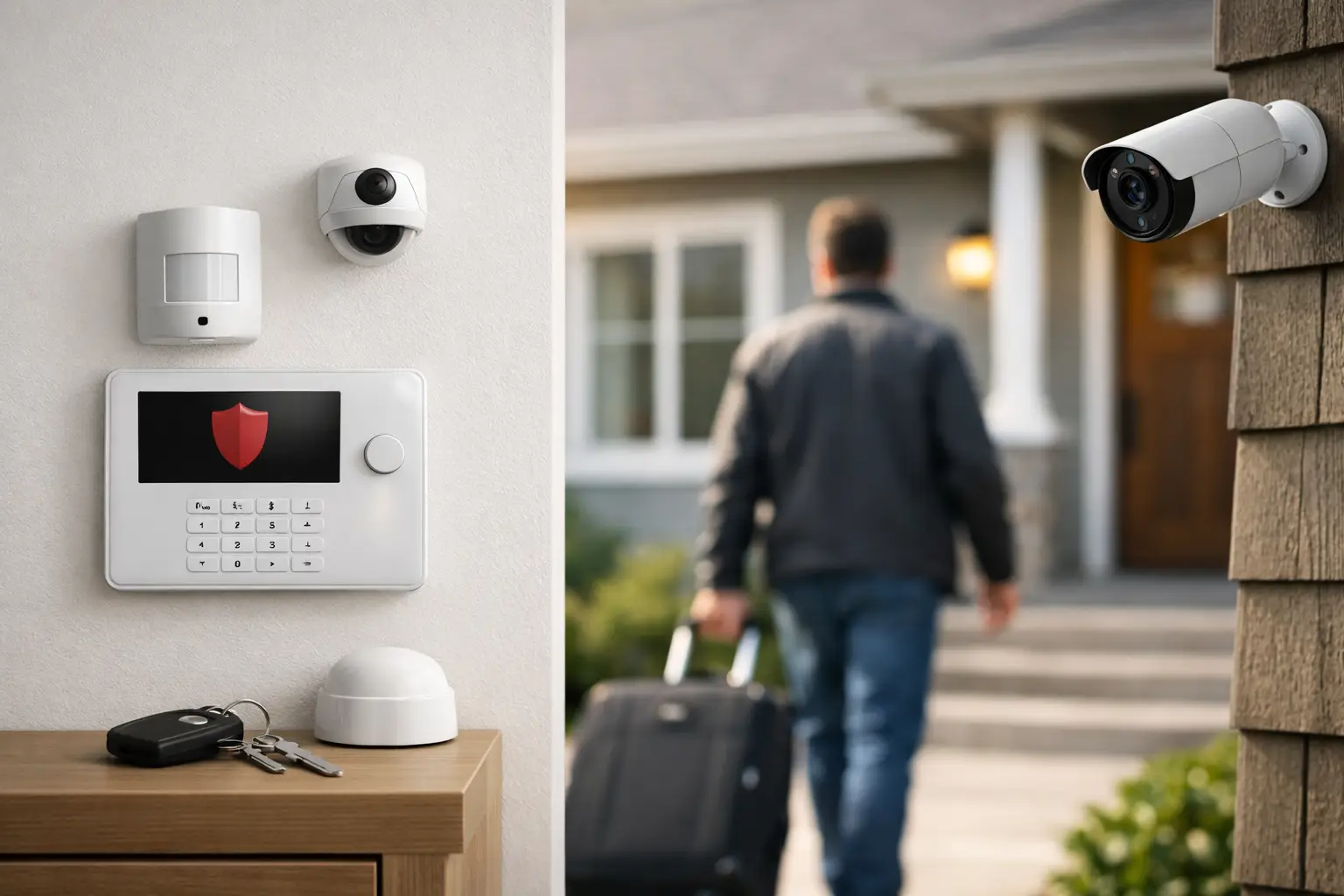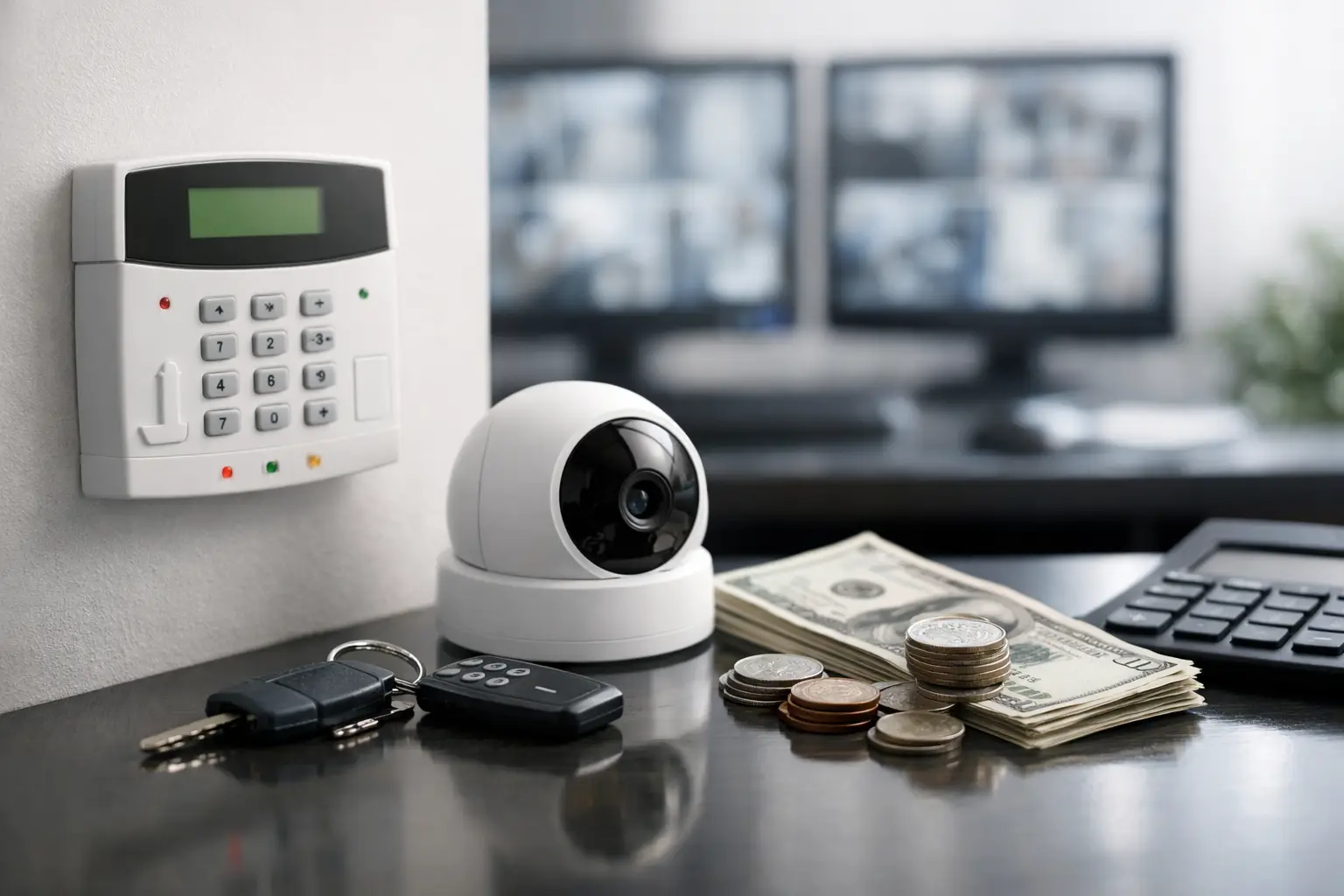

A security alarm can make noise, send a phone notification, or record an event. Professional monitoring is what puts trained people behind that signal when you may be asleep, at work, traveling, or unable to respond. That is why alarm monitoring costs should be evaluated as the price of an active emergency response service, not just another monthly bill.
For homeowners and business owners across Florida and Georgia, the right plan balances affordability with the protection that matters most: a fast response to burglary, fire, carbon monoxide, panic, or medical alarms. The lowest advertised rate is not always the best value, especially if it leaves out cellular communication, essential devices, service support, or the protections your property actually needs.
What Do Alarm Monitoring Costs Typically Cover?
Professional alarm monitoring generally includes 24/7 oversight by a central monitoring center. When a protected device is triggered, the center receives the alarm signal, follows the response plan for your account, attempts to contact designated people when appropriate, and requests emergency dispatch when the event calls for it.
That response plan is a major part of what you pay for. A burglar alarm may require verification steps and contact with the police. A smoke, fire, carbon monoxide, medical, or panic alarm can require a different escalation process. Your monitoring account should reflect the people to call, the property details responders need, and the specific types of emergencies covered.
Monthly monitoring rates often fall somewhere between roughly $20 and $60 or more, depending on the system and services involved. A basic plan for a simple intrusion alarm will usually cost less than monitoring for a property with security cameras, smart locks, environmental sensors, multiple partitions, or commercial fire devices. Promotional rates can make professional protection more accessible, but it is wise to understand how long the rate applies and what the ongoing price will be.
What Changes the Price of Alarm Monitoring?
The cost of monitoring is not one-size-fits-all because the risk at each property is different. A small home with a few entry points has different needs than a large residence, retail store, office, warehouse, or multi-tenant property.
Communication Method
Modern systems commonly use cellular communication to send alarm signals. Unlike a traditional landline, cellular monitoring can continue operating if an intruder cuts phone wiring. It also works well for properties that do not maintain a landline.
Cellular service adds a recurring communication cost, but it provides a meaningful layer of protection. Internet-based communication may be available as well, sometimes with cellular backup. The right choice depends on the property, local connectivity, and how much redundancy you want during a power or internet outage.
The Devices Being Monitored
A door contact and motion detector create a basic intrusion system. Adding monitored smoke detectors, carbon monoxide sensors, flood sensors, panic buttons, medical pendants, glass-break detectors, and temperature alerts expands the protection. Those additional devices may increase equipment and monitoring costs, but they address emergencies a standard burglar alarm cannot.
For example, a monitored carbon monoxide detector can trigger a response even when no one hears the alarm. A monitored fire system can be especially valuable for a business that closes overnight, when a fire could spread before anyone notices. The question is not simply how many sensors you can add. It is which risks could cause the greatest harm if no one acts quickly.
Home Automation and Remote Control
Many customers want to arm and disarm their system from a smartphone, receive activity alerts, view cameras, control lights, adjust thermostats, or manage smart locks. These features can add to the monthly service level, but they also make protection easier to use every day.
Remote access is particularly useful for families with children, older relatives, pet sitters, house cleaners, or rental properties. Business owners can check whether staff armed the building, review camera activity, and manage access without making an unnecessary trip to the location. If you will use these tools often, the added cost can be practical rather than optional.
Property Size and Business Requirements
Commercial alarm monitoring costs can be higher because commercial properties often have more doors, larger layouts, multiple alarm partitions, higher-value inventory, and stricter fire or insurance requirements. A restaurant, medical office, contractor yard, and retail store do not face the same exposures.
Some businesses also need managed opening and closing reports, user codes for employees, video verification options, or a monitored fire alarm panel. These services help owners maintain accountability and protect continuity when the building is empty. A tailored system should identify where a break-in, fire, equipment problem, or unauthorized entry would create the greatest loss.
Upfront Costs Versus Monthly Costs
When comparing security proposals, separate the installation price from the recurring monitoring rate. Equipment, professional installation, programming, permits, and activation may be billed upfront, included in a promotion, or spread across an agreement. Each approach can be reasonable, provided the full terms are clear.
A lower installation price may come with a longer monitoring commitment. A higher upfront investment may provide more flexibility later. Neither is automatically better. What matters is understanding the complete cost over the time you expect to use the system, along with the quality of the equipment, installation, monitoring center, and service support.
Ask whether the quoted rate includes cellular service, mobile app access, automation features, and the alarm types you need. Also ask about service calls, replacement batteries, permit assistance, moving the system to another property, price changes after a promotional period, and cancellation terms. Straight answers protect you from surprise charges and make it easier to compare options fairly.
When Paying More Makes Sense
There are situations where a few additional dollars each month can provide significantly better protection. Cellular backup is one example. Monitored smoke and carbon monoxide detection is another, particularly for homes with children, older adults, or anyone who may have difficulty evacuating quickly.
Businesses may benefit from greater visibility rather than simply more sensors. Cameras paired with alarm events can help clarify what is happening at a property. Individual employee codes can identify who entered or disarmed the system. Scheduled arming reminders can prevent a simple end-of-day oversight from becoming an open invitation.
That said, do not pay for features you will never use. A good security provider should explain each recommendation in plain language and build around your property, routines, and budget. The goal is dependable coverage, not an overloaded package.
How to Find Value in Alarm Monitoring Costs
Start by deciding what needs protection when no one is available to act. For a home, that may include exterior doors, accessible windows, interior areas, fire, carbon monoxide, and a panic option. For a business, it may include entry points, cash or inventory areas, after-hours activity, fire protection, and employee access.
Then look beyond the monthly number. Confirm that monitoring is available around the clock, that the center has strong operational standards, and that your emergency contacts and dispatch instructions can be updated easily. Ask how alarm events are handled and whether the system can grow with your needs.
Centex Security builds professionally configured systems around the property instead of forcing every customer into the same package. With more than 20 years of industry experience and access to a Five Diamond Certified monitoring center, the focus is on making capable protection affordable and understandable.
A no-cost security consultation can reveal gaps that are easy to miss, from an unprotected side door to the lack of a monitored life-safety device. Choose monitoring that gives you confidence the right steps can begin when an emergency signal is received, even when you cannot answer the phone yourself.