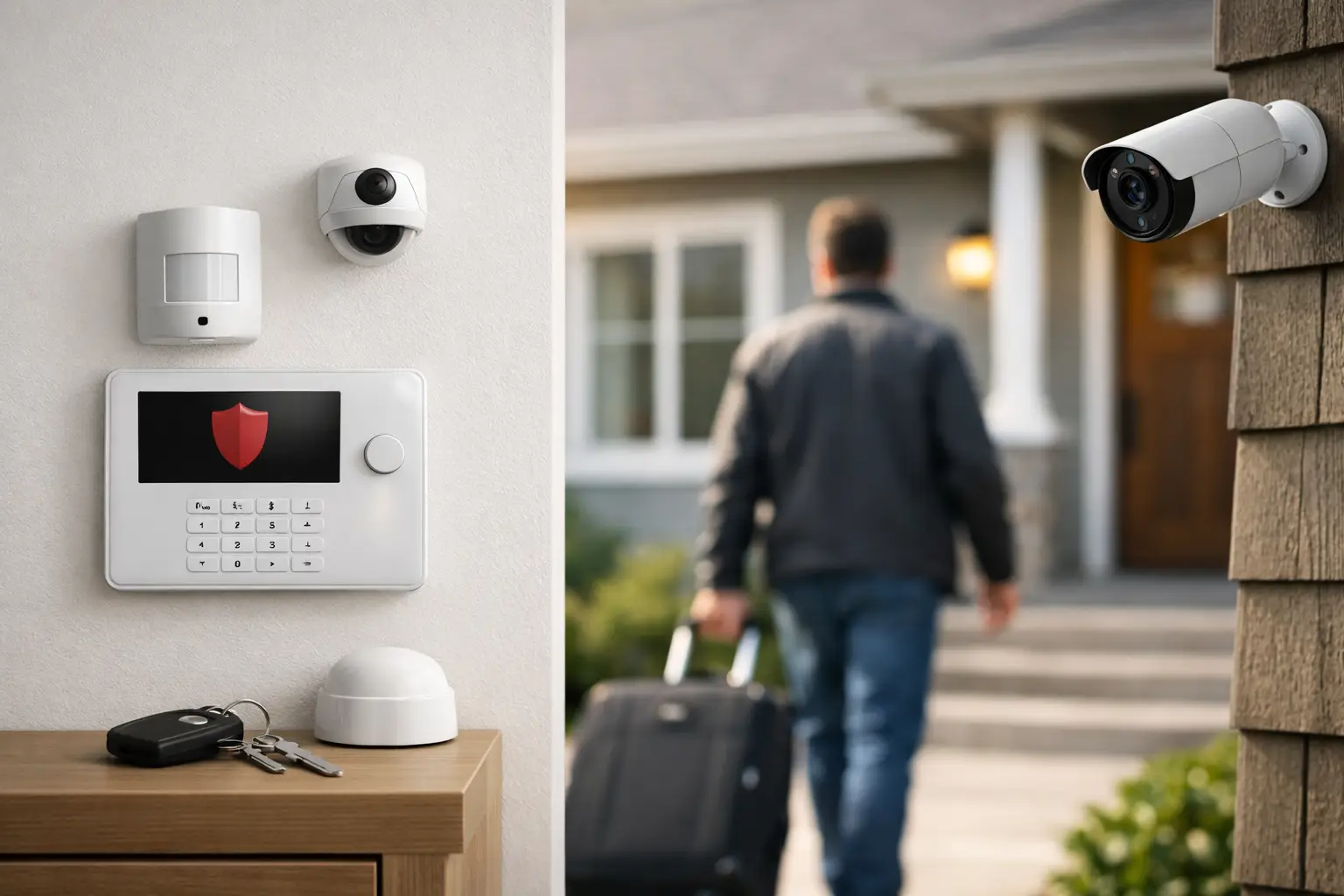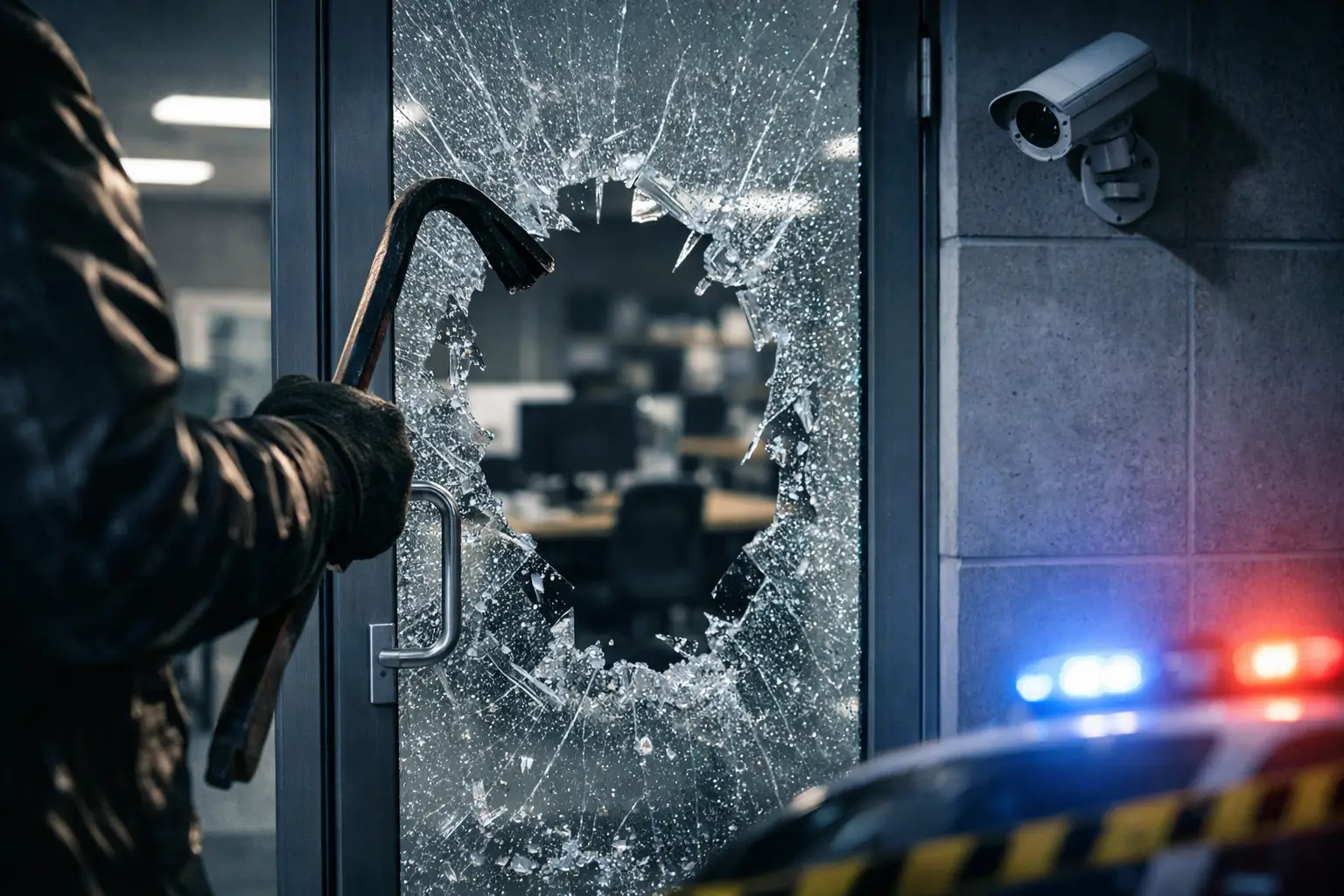

A broken storefront window, a forced rear door, or a missing register drawer can change a normal workday fast. Business break-ins do not only mean stolen inventory. They can interrupt operations, unsettle employees, damage customer confidence, and leave an owner handling repairs when they should be serving customers.
The right protection plan is not about filling a building with complicated equipment. It is about making your property harder to target, detecting unauthorized entry quickly, and ensuring the right people are alerted when an alarm occurs. For businesses across Florida and Georgia, that often starts with a close look at the building, daily routines, and the assets that cannot be easily replaced.
Why Business Break-Ins Cost More Than You Expect
The immediate loss after a break-in is usually easy to see: cash, tools, electronics, products, or damaged doors and glass. The less visible costs can be just as disruptive. A restaurant may lose a day of sales while repairs are made. A contractor may be unable to work if essential tools are gone. A medical, professional, or retail office may face concerns about records, keys, or customer information.
There is also a safety issue. Employees who open or close alone may feel vulnerable after an incident. Managers may change schedules, spend more time checking the property, or take on the risk of responding to an alert themselves. A professionally monitored security system helps shift that burden. When an alarm is triggered, trained monitoring professionals can follow the established response process and contact the appropriate authorities when needed.
Not every business faces the same risk. A warehouse with multiple loading doors needs a different approach than a salon in a shopping center or a small office with a glass entry. That is why a walk-through and custom system design are more useful than a one-size-fits-all package.
How Criminals Look for Easy Opportunities
Most intruders are looking for speed, privacy, and a simple exit. They may notice an unlit side entrance, a fence gate that does not latch, a rear door hidden from the street, or a window with no visible alarm protection. They also pay attention to routines. Cash left overnight, predictable closing times, and packages stacked near an entrance can make a location more appealing.
Start by viewing your property as someone trying to enter unnoticed would. Walk the exterior after dark. Can you clearly see the rear door, dumpster area, side gates, and parking spaces? Are shrubs blocking windows or hiding a person near an entrance? Does exterior lighting cover the places where someone could work on a lock without being seen?
Physical security still matters. Good locks, reinforced strike plates, secured window hardware, and controlled access to keys are foundational. But locks alone cannot tell you when a door is forced or when someone enters through another point. Electronic security adds the ability to detect, document, and respond.
Build Layers of Protection Against Business Break-Ins
A strong security plan uses overlapping layers. If one deterrent does not stop an intruder, another layer can expose the attempt or trigger a response. The best combination depends on your building layout, operating hours, budget, and the value of what you need to protect.
Start with a professionally configured burglar alarm
Door and window contacts can alert you when protected openings are breached. Motion detectors can add coverage inside areas where someone should not be moving after hours. Glass-break detection may be useful for storefronts or offices with large ground-level windows. Panic buttons can provide an added measure of protection for staff members in higher-risk situations.
Placement is crucial. An alarm system should be designed around actual entry paths, not simply installed at the front door. A rear service entrance, roof access point, storage-room door, or connecting door between suites may deserve just as much attention as the main entrance.
Professional 24/7 monitoring is what turns a local alarm into an active response plan. An alarm notification on a phone is useful, but an owner may be in a meeting, asleep, traveling, or unable to safely check the property. With professional monitoring, a live team is available to act on alarm events based on your selected emergency contacts and procedures.
Use security cameras to see what happened
Security cameras can deter unwanted activity before a break-in occurs, especially when cameras are clearly visible at entrances, registers, loading areas, and parking lots. They can also give you a way to check a live view remotely and review recorded activity after an incident.
Cameras work best when they answer specific questions. Do you need to identify who approached the rear door? Monitor deliveries? Verify who opened the business? Watch a register area? The answer determines the camera location, viewing angle, lighting needs, and recording setup.
Do not assume more cameras always mean better coverage. One correctly positioned camera can be more useful than several cameras aimed too high, blocked by signage, or pointed toward bright lights that wash out nighttime footage. A professional site review can identify blind spots before equipment is installed.
Control access and closing routines
Many break-ins are easier when too many people have keys, codes, or knowledge of the building. Keep a current list of who can enter after hours, remove access promptly when roles change, and avoid sharing alarm codes. Unique user codes make it easier to know who armed or disarmed the system and reduce the need to distribute a single code across the team.
Your closing routine should be simple enough that employees actually follow it. Confirm exterior doors are secured, valuable portable items are stored out of sight, cash is handled according to company policy, and the alarm is armed before the last person leaves. Opening procedures matter too. Staff should know what to do if they see damage, an open door, or another sign that someone may have entered overnight.
Make Your Property Less Attractive After Hours
Security equipment is strongest when it is supported by good property habits. Keep display windows clear enough that activity inside can be seen from outside. Move ladders, tools, and large trash containers away from walls or fenced areas where they could help someone gain access. Repair broken gates, door closers, locks, and exterior lights quickly.
Visible alarm and camera signage can be a practical deterrent. It tells a would-be intruder that entering the property may bring attention they do not want. However, signs should support real protection, not substitute for it. A criminal who tests a door and finds no system behind the sign may come back.
Consider environmental risks as well. Florida and Georgia businesses often deal with heavy rain, heat, storms, and changing daylight conditions. Outdoor equipment must be installed thoughtfully, and camera views should account for glare, weather exposure, and nighttime lighting. Security should work on an ordinary Tuesday night and during the conditions that make a property harder to check in person.
What to Do When an Alarm or Break-In Occurs
If you receive an alarm alert, do not rush to the property alone. Your first priority is personal safety. Follow the instructions provided by your monitoring service, and let responding authorities assess a suspected intrusion. If you arrive and see forced entry, broken glass, or an open door, stay outside and call 911.
After authorities have cleared the scene, document visible damage and missing property for insurance and police reports. Preserve any available camera footage. Then address the weakness that was used, whether it was an unsecured door, a poorly lit side area, an unprotected window, or a gap in employee procedures.
A break-in is frustrating, but it can also reveal exactly where protection needs to improve. Updating the system after an incident is not overreacting. It is a practical step toward preventing a repeat event.
Get Security That Fits the Way You Operate
A business security system should protect your building without creating daily hassle for employees and managers. The goal is clear: easy arming and disarming, useful remote awareness, dependable detection, and professional help when an emergency happens.
Centex Security provides custom alarm, camera, and professional monitoring options designed around the property and the way your business operates. With more than 20 years of industry experience and access to a Five Diamond Certified monitoring center, the focus is on dependable protection that remains accessible for local business owners.
Your business may never be able to eliminate every risk. You can make it far less convenient to target, far quicker to detect, and far better prepared to respond. A no-cost security consultation is a sensible next step before a vulnerable door, dark corner, or unmonitored alarm becomes tomorrow morning’s problem.