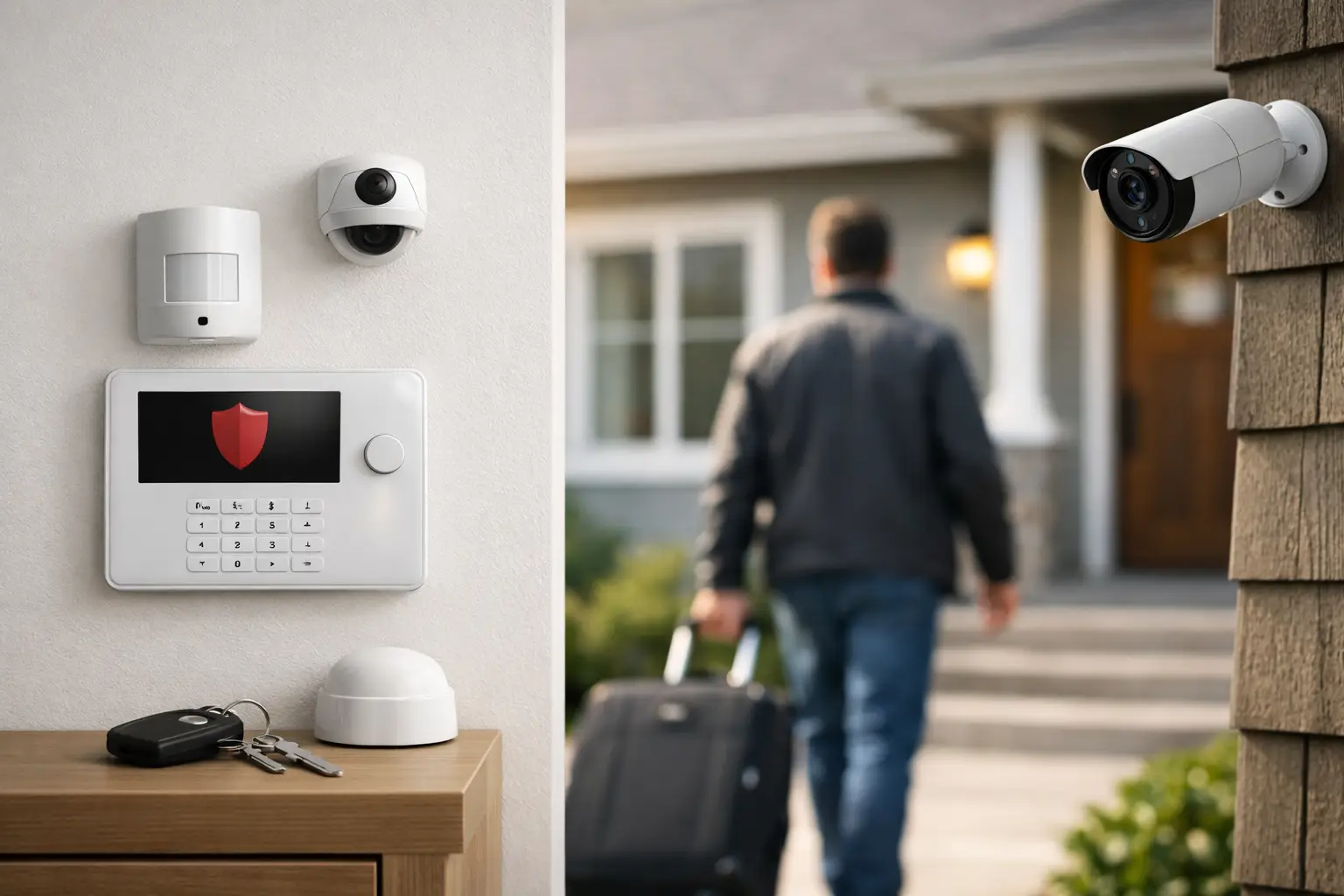

A security alert at 2:14 a.m. is not a good time to discover your phone is on silent, out of battery, or sitting in a bag across town. That is the real difference in the self monitored vs professional monitoring decision. Both options can notify you when a door opens, a camera sees motion, or a smoke detector activates. The question is who takes action when you cannot.
For Florida and Georgia homeowners, families, and business owners, that distinction matters. A security system should fit your budget and daily routine, but it also needs to protect the people and property that depend on it when life gets busy, travel interrupts your plans, or an emergency makes it impossible to respond yourself.
What Self-Monitored Security Means
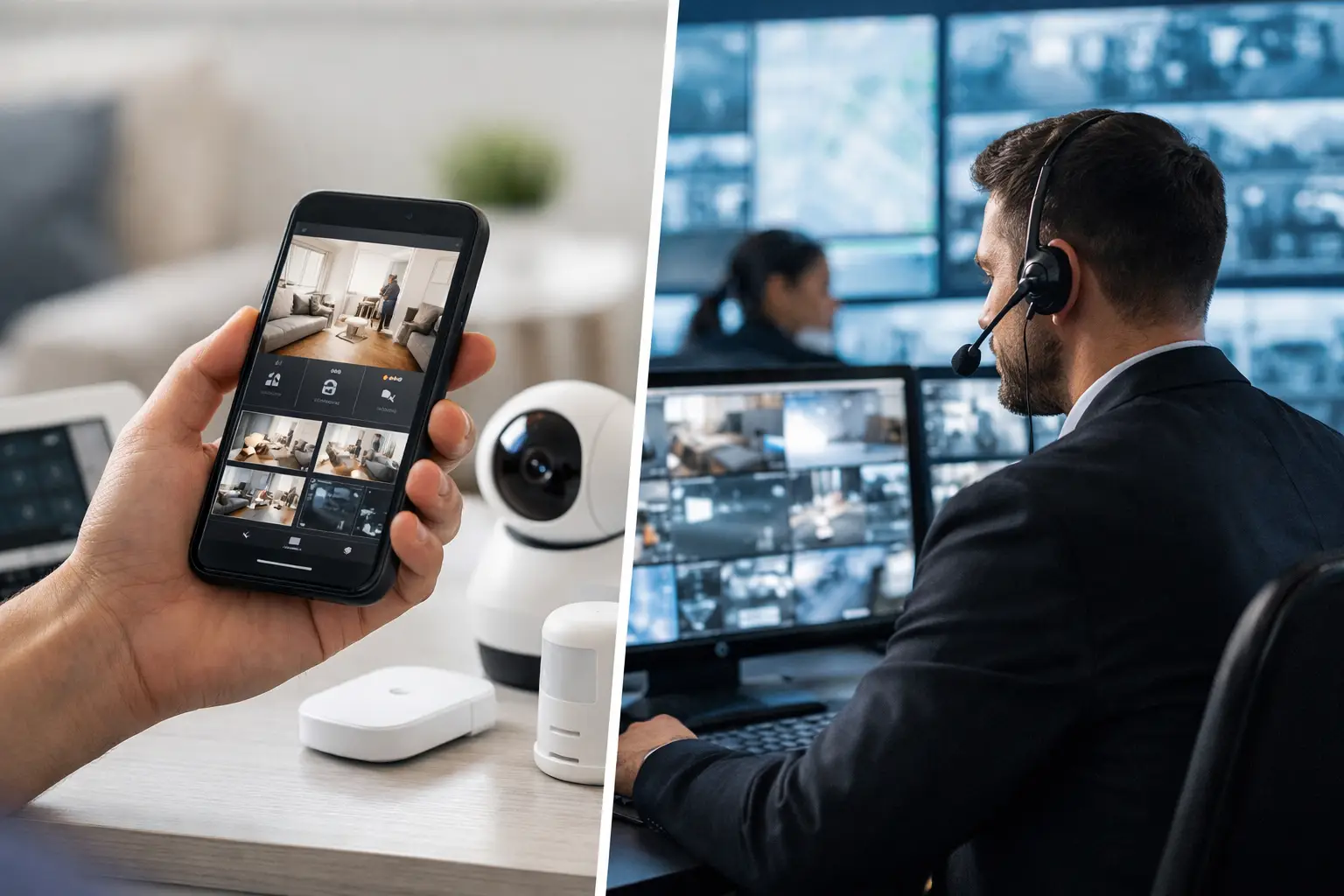
With self-monitoring, your alarm system, cameras, and smart devices send notifications directly to you through an app, text message, email, or phone call. You decide whether the alert is a false alarm, a delivery person, a family member arriving home, or a real threat. If police, fire, or medical help is needed, you make the call.
This arrangement can work well for someone who is usually available, comfortable using security apps, and primarily wants awareness. A homeowner may check a camera alert while at work, speak to a visitor through a video doorbell, or receive a notification when children arrive home from school. A small business owner may use it to confirm when employees open or close the building.
The appeal is straightforward: self-monitoring often comes with a lower monthly cost, and some systems have no monthly monitoring fee at all. It also gives you direct control over every response decision.
But direct control also means direct responsibility. If you miss the notification, do not recognize the seriousness of the event, or cannot make a call quickly, no dedicated monitoring operator is working in the background. A camera clip can be useful evidence, but it does not dispatch emergency services by itself.
How Professional Monitoring Responds
Professional monitoring adds trained people to the response process. When a monitored alarm is triggered, the signal is sent to a monitoring center operating around the clock. Operators follow established procedures to verify information when appropriate, contact people on your designated list, and request help from the appropriate authorities when the situation calls for it.
That can apply to more than burglary alarms. Professionally monitored systems can respond to fire alarms, carbon monoxide events, panic alarms, and medical emergency devices. For a family with an older relative living alone, or a business with employees working early or late shifts, that additional layer can be the difference between an unanswered alert and a fast, organized response.
A professional system does not mean you lose access or control. You can still arm and disarm your system, check cameras, receive alerts, adjust smart locks, and manage lights or thermostats from your phone. The difference is that you have backup. If your phone is unavailable, you are on a flight, or you are already dealing with an emergency, the monitoring center continues to receive alarm signals.
Self Monitored vs Professional Monitoring: The Practical Differences
The better choice is not always the cheapest option. It is the option that still protects you during the moments you cannot personally manage an alert.
Who is responsible after an alarm?
With self-monitoring, the responsibility stays with you. You receive the alert, review what happened, determine whether it is urgent, and contact authorities if needed. That may be perfectly acceptable for a secondary camera or a low-risk property where someone is nearly always available.
With professional monitoring, trained operators are part of the plan. You still receive notifications, but you are not the only person expected to notice and act. This is especially valuable during overnight hours, vacations, school events, meetings, medical appointments, and any situation where checking a phone immediately is unrealistic.
How quickly can help be requested?
No security company can guarantee emergency response times, since those depend on local police, fire, and medical agencies. Professional monitoring does, however, remove the extra step of waiting for you to see an alert, assess it, and place a call.
For an intrusion, every minute can feel long. For fire, carbon monoxide, or a medical emergency, delays can carry even higher stakes. A monitored system creates a defined escalation path instead of relying on one person to be reachable at exactly the right moment.
What happens during a false alarm?
False alarms are a legitimate concern. A properly designed system helps reduce them through correct sensor placement, reliable equipment, user training, and settings tailored to the property. Professional monitoring also uses your emergency contacts and response instructions to help manage alarm events appropriately.
Self-monitoring lets you dismiss an alert yourself, which can feel simpler. Yet it also places all judgment calls on you, even when the alert arrives while you are tired, distracted, or far from the property. The right system should balance fast action with practical safeguards against unnecessary dispatches.
What does each option cost?
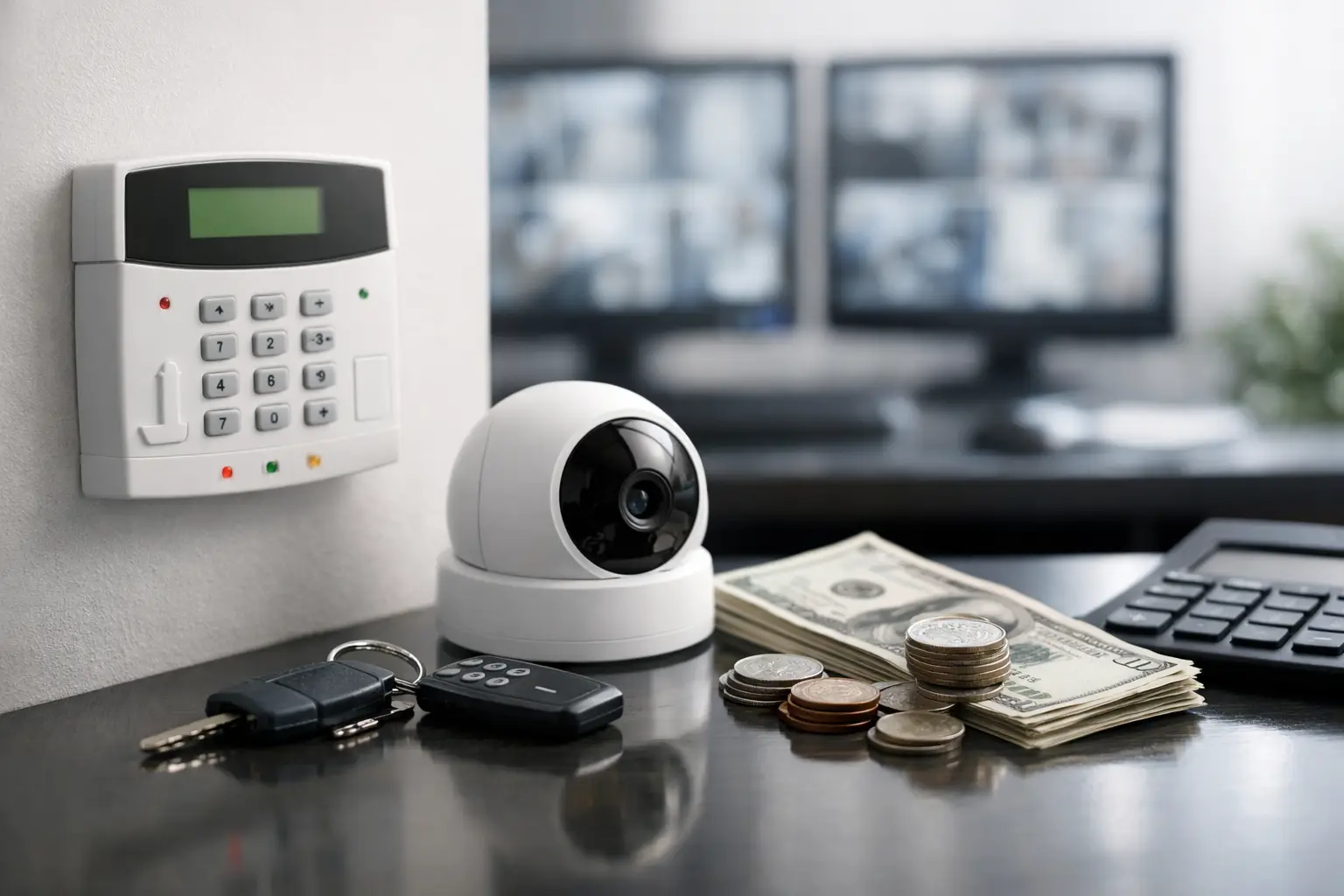
Self-monitoring usually has the lower recurring cost because there is no 24/7 operator response service included. Professional monitoring adds a monthly fee, but that fee pays for continuous alarm handling, response procedures, and the confidence that someone is watching for critical signals even when you are not.
The more useful comparison is value, not price alone. Consider what one missed fire alert, break-in, carbon monoxide event, or medical emergency could cost. Affordable professional monitoring is often a practical investment for customers who want dependable protection without paying for features they will never use.
When Self-Monitoring May Be Enough
Self-monitoring can be a reasonable fit when the system is used mainly for convenience and observation. For example, you may want a camera at a vacation property to check weather conditions, deliveries, or contractor visits. A manager might use cameras to review activity at a low-risk storage area during business hours.
It can also be a useful supplement to professional protection. You may self-monitor a standalone camera while relying on professional monitoring for intrusion, fire, carbon monoxide, and panic alarms at your main home or business location.
The key is to be honest about availability. Ask whether you can reliably answer alerts at night, during work, while driving, on vacation, or when a family member has your attention. If the answer is no, self-monitoring alone has a clear limitation.
When Professional Monitoring Is the Stronger Choice
Professional monitoring is often the better fit for occupied homes, businesses with valuable inventory or equipment, and properties where life safety is a priority. It is particularly valuable when children, older adults, employees, tenants, or customers may be present when an alarm occurs.
For a business, monitoring can help protect more than merchandise. It supports employee safety, helps address after-hours intrusion events, and gives owners a response plan when they are not on site. For homeowners, it provides meaningful protection during travel and peace of mind when everyone is asleep.
Professional monitoring also works best when it is paired with a system designed for the property. A few poorly placed devices can create blind spots and nuisance alerts. A customized plan can combine door and window sensors, motion detection, cameras, monitored smoke and carbon monoxide protection, smart locks, and automation based on how people actually use the space.
Centex Security builds those plans around the property, the risks, and the budget, with 24/7 monitoring through a Five Diamond Certified monitoring center. The goal is not to load a home or business with unnecessary equipment. It is to make sure the right signals reach the right people when they matter.
Choose the Response Plan You Can Trust
Security technology gives you visibility. Professional monitoring gives that visibility a response plan when you are unavailable. Before choosing, think beyond the app notification: Who will see it? Who will make the call? What happens if nobody can?
A no-cost consultation can help turn those questions into a practical protection plan for your home, family, employees, and property. The best security decision is the one that lets you live your life knowing help is ready when an alarm demands it.