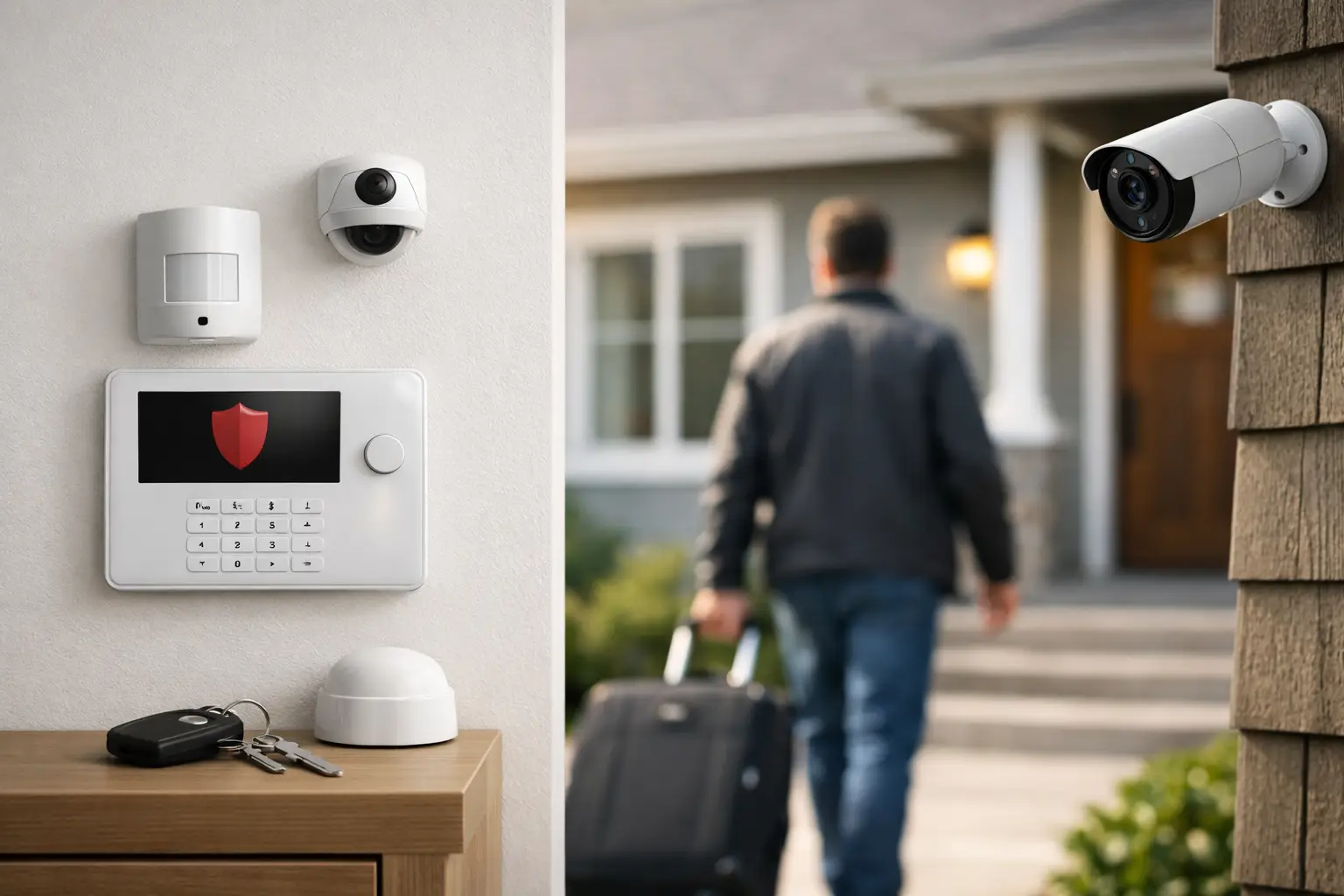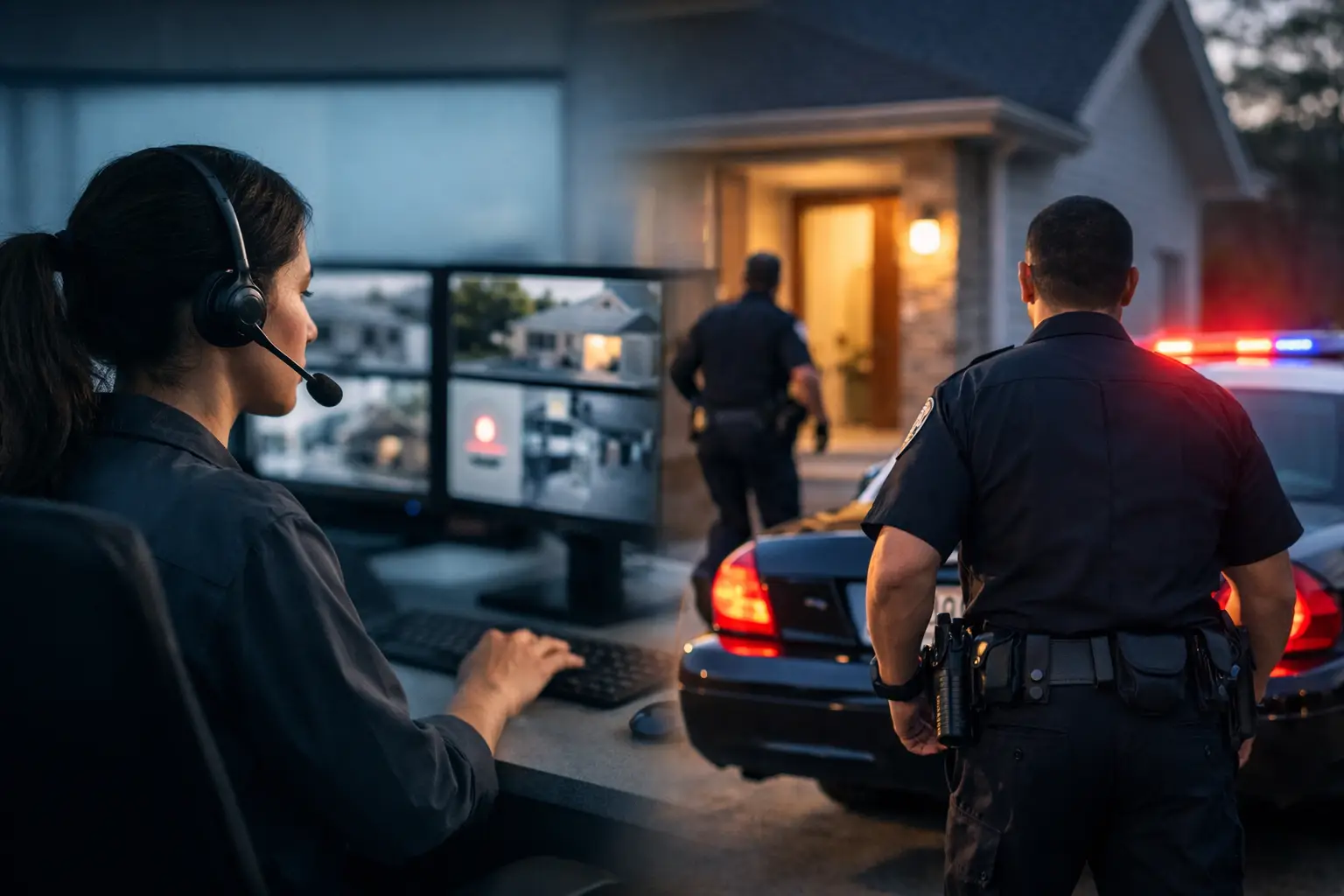

A broken window at 2:00 a.m. is not the time to wonder whether anyone will respond. So, does professional monitoring call police? Yes, a professional monitoring center can request police dispatch when an alarm event meets the response criteria – but the exact process depends on the alarm type, available verification, your account instructions, and local authority policies.
That distinction matters. Professional monitoring is not simply a system that makes noise and hopes a neighbor notices. It puts trained operators between an alarm signal and the next critical step, whether that is reaching you, dispatching law enforcement, notifying the fire department, or sending medical help.
Does Professional Monitoring Call Police for Every Alarm?
Not automatically for every signal, and that is a good thing. A quality monitored security system is designed to balance fast action with sensible verification. Police departments receive a high volume of false alarm calls, often caused by user error, an open door, pets, loose sensors, or a contractor entering with an outdated code. Many cities and counties have false-alarm ordinances, permit requirements, or fines for repeated unnecessary dispatches.
When a burglar alarm is triggered, the monitoring center receives the signal within seconds. An operator follows the emergency procedures established for your account. Depending on the event and local requirements, they may call the premises first, contact designated keyholders, use a verbal password process, or dispatch police immediately.
If there is evidence of a real break-in, a panic alarm, a duress signal, or verified activity at the property, the response can move quickly. The monitoring center contacts the appropriate emergency communications agency and provides the address, alarm details, and any information available about the event.
The goal is simple: get help moving while keeping you from having to make decisions under pressure.
What Happens After a Burglary Alarm Goes Off?
The response begins long before an emergency. During installation and account setup, you choose the people monitoring operators can contact, their phone numbers, and the order in which they should be called. You also establish passwords and provide details that may help responders, such as gate codes, business access instructions, or special circumstances at the property.
When the alarm activates, the monitoring center typically follows a defined sequence.
The system sends an alarm signal
Door and window contacts, motion detectors, glass-break sensors, and other devices communicate with the control panel. The panel sends the alarm to the monitoring center through its available communication path, often cellular, internet, or both. A professionally configured system can also supervise key equipment and report trouble conditions, such as a loss of power or communication.
An operator reviews the event
The operator sees the type of signal and the property information attached to the account. An intrusion alarm may be handled differently from a fire alarm, medical pendant activation, carbon monoxide event, or silent panic signal.
For burglary alarms, the operator follows your response plan and applicable dispatch procedures. They may call the location and then the contact list. If the correct password is given by an authorized person, the alarm may be canceled if it is safe to do so. If nobody answers, the wrong password is given, a contact reports suspicious activity, or the alarm is otherwise verified, the operator can request police response.
Authorities and contacts are notified
When police dispatch is requested, the monitoring center relays the available details to the agency responsible for that address. It also continues to contact the people listed on your account, based on your instructions.
A monitoring center cannot guarantee police arrival times. Emergency agencies set their own priorities based on active calls, available officers, weather, traffic, and the nature of the emergency. What professional monitoring does provide is an immediate, documented escalation process when you may be asleep, traveling, in a meeting, or unable to reach your phone.
Alarm Verification Can Improve the Response
Verification means there is additional information suggesting an emergency may be real. It can come from unanswered verification calls, multiple activated sensors, a panic signal, a person at the property confirming a break-in, or monitored video that shows suspicious activity when that service and setup are available.
Some jurisdictions use enhanced call verification policies. Before requesting police dispatch for certain burglary alarms, the monitoring center may need to make reasonable attempts to reach the premises and listed contacts. Other agencies may accept dispatch sooner for specific alarm types. Rules can vary even between nearby Florida and Georgia communities.
This is why a customized security consultation matters. A system for a family home with children and an older relative may need different emergency contacts and devices than a warehouse, medical office, retail store, or vacation property. The equipment is only one part of protection. Accurate account information and a response plan are what help the monitoring team act with confidence.
When Will Monitoring Call the Fire Department or EMS?
Police are not the only emergency responders a professionally monitored system can contact. The event type drives the response.
A monitored smoke or heat detector can trigger fire-department dispatch under your account’s fire response procedures. A carbon monoxide alarm is especially urgent because the gas cannot be seen or smelled. A monitored medical alert device or emergency button can bring medical help when someone falls, experiences chest pain, or cannot reach a phone.
These events should not be treated like ordinary burglar alarms. With fire, carbon monoxide, and medical emergencies, time matters quickly. Monitoring provides another layer of protection when a resident cannot call for help or when a business is closed and no employee is there to react.
What You Can Do to Prevent Delays and False Alarms
Your monitoring center can only work with the information it has. Review your contacts whenever a phone number changes, an employee leaves, a tenant moves, or a trusted family member is no longer available to respond. Make sure every authorized user knows how to arm and disarm the system and understands the verbal password procedure.
For businesses, give access codes only to employees who need them, remove codes promptly when staff leave, and train opening and closing teams. For homes, teach older children the system basics without sharing more authority than they need. Smart locks, schedules, and app control can also reduce rushed entries that lead to accidental alarms.
If an alarm goes off accidentally, answer the monitoring call whenever possible. Be prepared to provide the correct password. Do not assume canceling an alarm on the keypad always ends the monitoring process, especially if the signal was already transmitted. Calling promptly helps the operator update the event and follow the proper procedure.
It is also wise to check local alarm registration requirements. Some Florida and Georgia jurisdictions require permits for monitored alarm systems, and repeated false alarms may result in fees. A security professional can help you understand what applies to your location, but local rules can change, so verify requirements with the appropriate municipality.
Professional Monitoring Is More Than a Siren
A loud siren can discourage an intruder, alert people nearby, and draw attention to a dangerous situation. But a siren alone does not call police. It cannot contact your spouse while you are on a flight, notify the fire department when smoke fills an empty building, or request medical assistance for someone who cannot speak.
Professional monitoring adds people, procedures, and 24/7 attention to the equipment protecting your property. At Centex Security, systems are designed around the risks you want to address – intrusion, fire, carbon monoxide, medical events, cameras, and smart-home control – without pushing a one-size-fits-all package.
The best time to decide who should be called, what information responders need, and how your system should protect the people inside is before an alarm sounds. A no-cost security consultation can turn those decisions into a practical plan for your home or business.