
A break-in does not wait for business hours. Neither does a kitchen fire, a carbon monoxide leak, or a medical emergency involving an older family member. Alarm monitoring gives your home or business a trained response team that can act when an alarm is triggered, even when you are asleep, traveling, or unable to reach your phone.
For property owners in Florida and Georgia, that response can be the difference between an alert that is noticed quickly and an emergency that continues unnoticed. A properly designed security system does more than make noise. It creates a direct path from a detected event to a real person who follows established response procedures.
What Alarm Monitoring Does After an Alarm
An alarm system detects a condition. Monitoring provides the human oversight behind that detection.
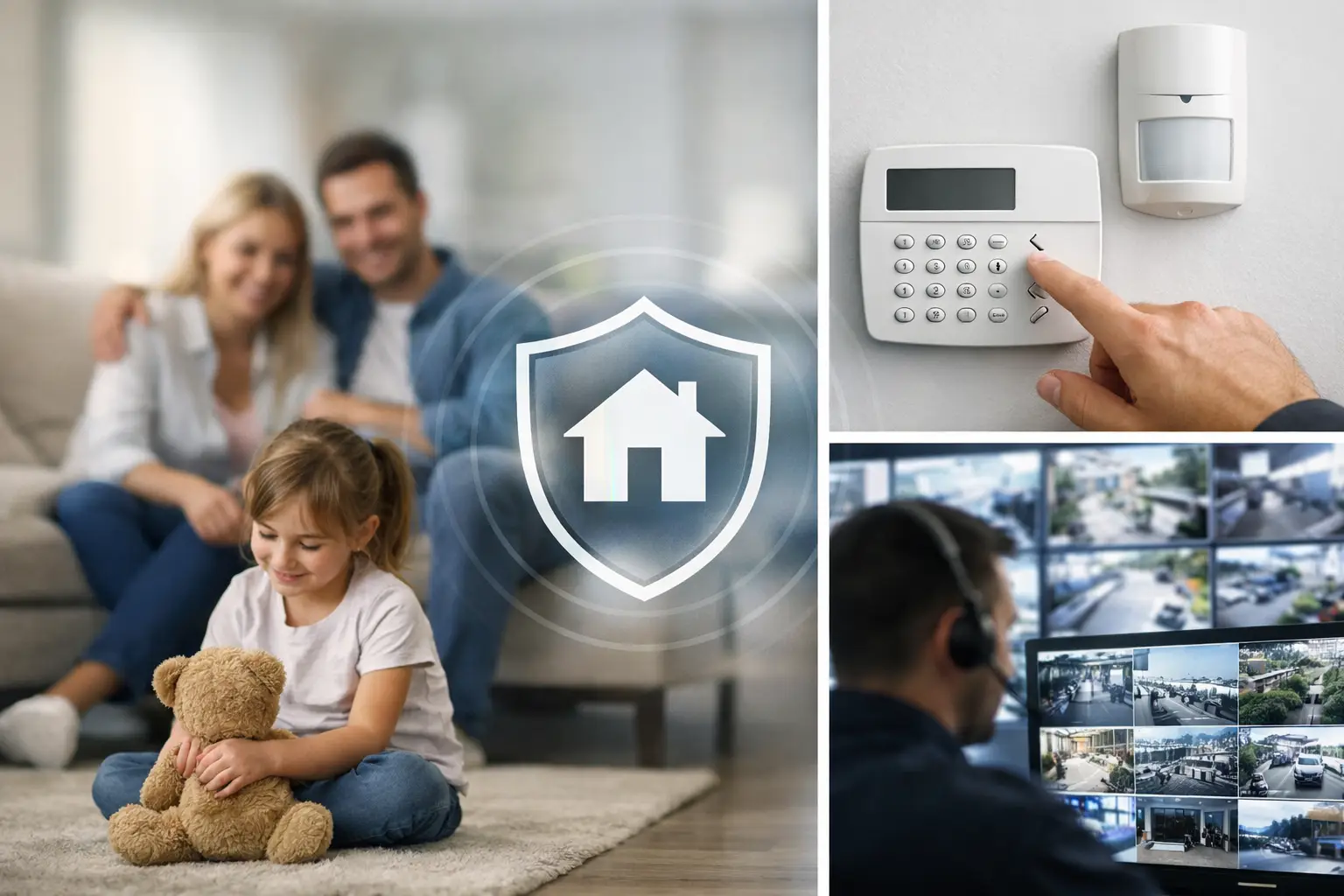
When a protected sensor is activated, the system sends a signal to a professional monitoring center. Depending on the event and the plan in place, trained operators review the signal, attempt to contact the designated account holders, and notify the appropriate emergency authorities when needed. That may mean police for a burglary alarm, fire rescue for smoke or heat detection, or emergency medical services for a medical alert.
The exact response sequence matters. A motion detector, door contact, glass-break sensor, smoke detector, carbon monoxide detector, panic button, and medical pendant do not all represent the same risk. Your monitoring plan should identify the contacts to call, the order in which to call them, and when authorities should be dispatched.
This is especially valuable when an event happens during a moment of confusion. If smoke fills a hallway at 2 a.m., a homeowner may be focused on getting children outside, not searching for a phone. If an employee triggers a panic alarm during a confrontation, calling for help may not be safe. Monitoring helps ensure the emergency signal is not left to chance.
Why a Siren Alone Is Not Enough
A loud siren can be an effective deterrent. It can alert people inside the building, draw attention from neighbors, and encourage an intruder to leave quickly. But a siren cannot confirm whether anyone heard it, determine whether the threat is real, or call for help.
Self-monitored systems can send an app notification to your smartphone. That may work well when you have reliable cell service, notice the alert immediately, and can safely assess what is happening. The limitation is obvious when you are in a meeting, on a flight, in an area with poor reception, or simply asleep.
Professional monitoring adds coverage during the gaps in your schedule. It does not eliminate the need for good locks, lighting, cameras, and smart security habits. It strengthens the overall plan by ensuring alarms have someone assigned to respond around the clock.
For many families, the greatest benefit is not just burglary protection. It is knowing that monitored smoke, carbon monoxide, and emergency medical devices can bring assistance when a resident cannot make the call themselves.
Alarm Monitoring for Homes and Families
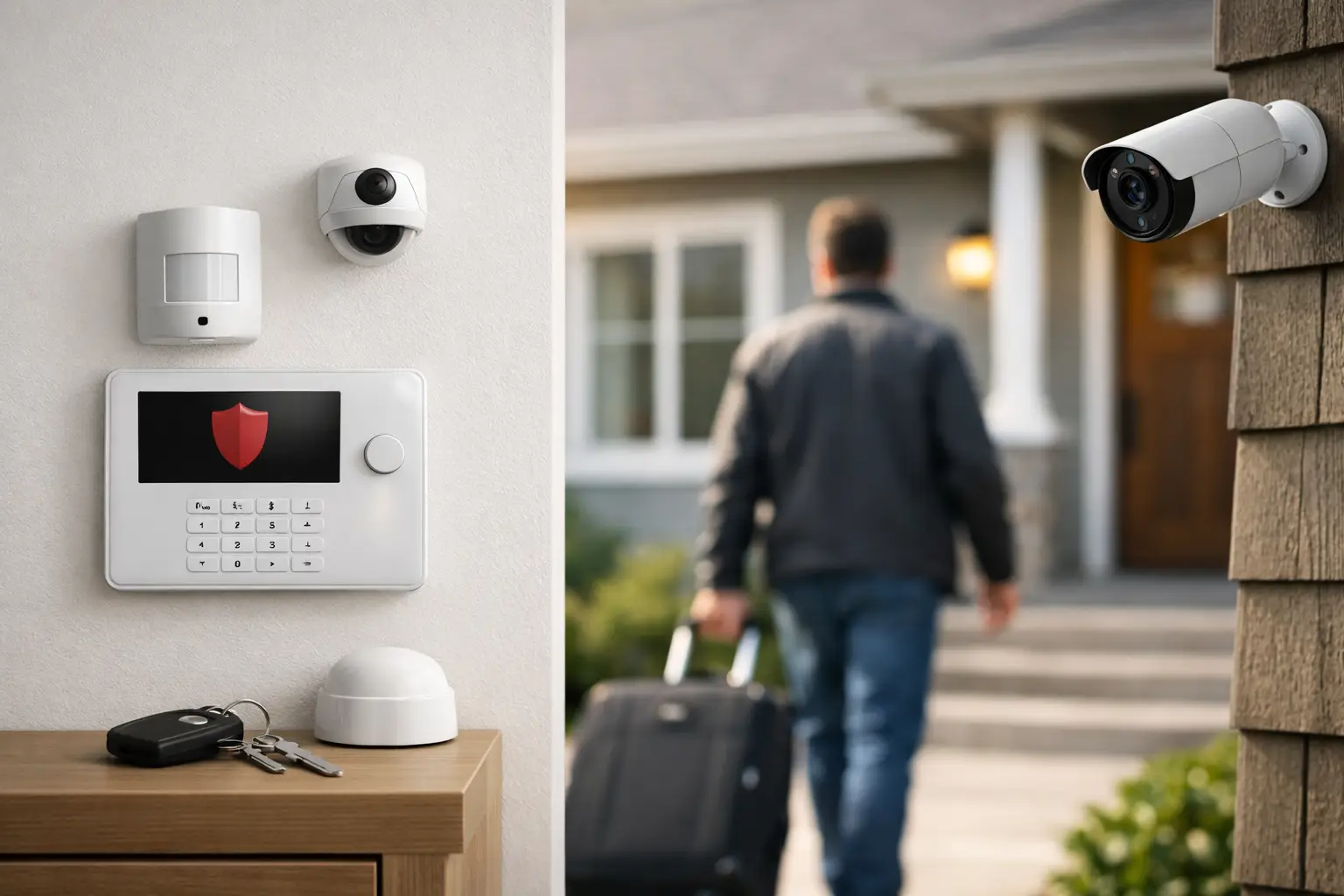
A home security system should reflect how your household actually lives. A family with young children may prioritize door and window sensors, smart locks, indoor cameras, and smoke detection. A homeowner who travels often may want remote arm and disarm controls, exterior cameras, and alerts for unexpected activity. Someone caring for an aging parent may need a monitored medical emergency button and carbon monoxide protection.
The goal is not to fill every room with devices. It is to protect the most likely entry points, identify life-safety risks, and make daily control simple. A professionally configured system can often let you check cameras, receive alerts, adjust compatible lights or thermostats, and manage locks from one app.
That convenience has a security purpose. If you can confirm that the system is armed after leaving for work, let a trusted family member in without sharing a physical key, or receive an alert when a child arrives home, you are more likely to use the system consistently.
Still, automation should support security rather than complicate it. A system with too many alerts can train people to ignore notifications. During a consultation, ask which alerts deserve immediate attention and which can be set as informational updates.
Alarm Monitoring for Businesses
Business owners have a different set of exposures. A burglary can mean stolen inventory, damaged doors or glass, lost revenue, and disruption the next morning. A fire or water-related event can interrupt operations for much longer. Depending on the facility, there may also be concerns about employee safety, restricted areas, after-hours access, and cash-handling locations.
Monitored business security can combine intrusion detection, commercial cameras, access control, panic devices, fire detection, and carbon monoxide monitoring in a plan built around the property. A retail location may need strong coverage at front doors, back exits, stockrooms, and point-of-sale areas. An office may be more concerned with after-hours entry, equipment rooms, and employee access. A warehouse may require broader perimeter coverage and monitored fire protection.
Cameras add useful verification and documentation, but they should not be treated as a replacement for alarm monitoring. Video may show you that a problem is happening. Monitoring is designed to help move an alarm event through a response process when you cannot watch a screen.
For businesses with multiple managers, clear contact procedures are essential. Keep the call list current, establish who can authorize access or meet responders, and remove former employees from system codes promptly. A strong system can be undermined by an outdated phone number or a shared code that was never changed.
Choosing the Right Monitoring Setup
The best alarm monitoring plan depends on the property, the risks you want to address, and the way people use the space. Monthly price matters, but it should not be the only factor. Low-cost monitoring is valuable when it is supported by reliable equipment, clear response procedures, and a center capable of handling emergency signals consistently.
Ask how the system communicates with the monitoring center. Cellular communication is a popular option because it does not depend on a traditional phone line and can continue working if internet service goes down. Some systems use more than one communication path for added protection. The right choice depends on local connectivity, building construction, and the importance of continued operation during an outage.
Also ask about backup power. A security panel should continue operating for a period during a power interruption, but battery condition and maintenance still matter. Test the system as recommended, update emergency contacts whenever circumstances change, and make sure everyone responsible for the property knows how to arm, disarm, and use panic features correctly.
False alarms deserve attention, too. They can create unnecessary stress and may lead to municipal fines in some areas. Many false alarms come from user error, loose doors, untrained staff, pets moving through unprotected areas, or a code shared with too many people. Proper installation, sensible sensor placement, and a brief training session reduce those risks without weakening protection.
The Value of a Professional Response Team
Not all monitoring centers operate at the same standard. Look for a provider that explains what happens after each type of alarm, provides clear account support, and offers a monitoring center with recognized quality standards. Centex Security connects customers with a Five Diamond Certified monitoring center, combining professional response with systems tailored to the property rather than a one-size-fits-all package.
A free consultation is the right place to discuss practical questions: Which doors and windows should be protected? Do you need monitored fire or carbon monoxide devices? Would cameras improve visibility at key areas? Can smart locks or automation make the system easier to manage? A good recommendation should account for the building layout, daily routines, budget, and the people who depend on the property being safe.
Security works best when it is easy to live with. Choose protection you will use every day, keep your contact information current, and make sure a trained team is ready to respond when an alarm is more than just a noise.