
A security system should do more than make noise after someone enters a door or window. Professional alarm installation gives your home or business a protection plan built around how the property is actually used, where its weak points are, and who may need help during an emergency. For families and business owners in Florida and Georgia, that can mean faster action during a break-in, fire, carbon monoxide event, or medical emergency.
A basic DIY device may be useful for a single door or a small space. But when you are protecting children, older relatives, inventory, equipment, client information, or multiple entry points, placement and response matter. A professionally configured system connects the right devices to 24/7 monitoring and gives you practical control from wherever you are.
Why Professional Alarm Installation Is Different
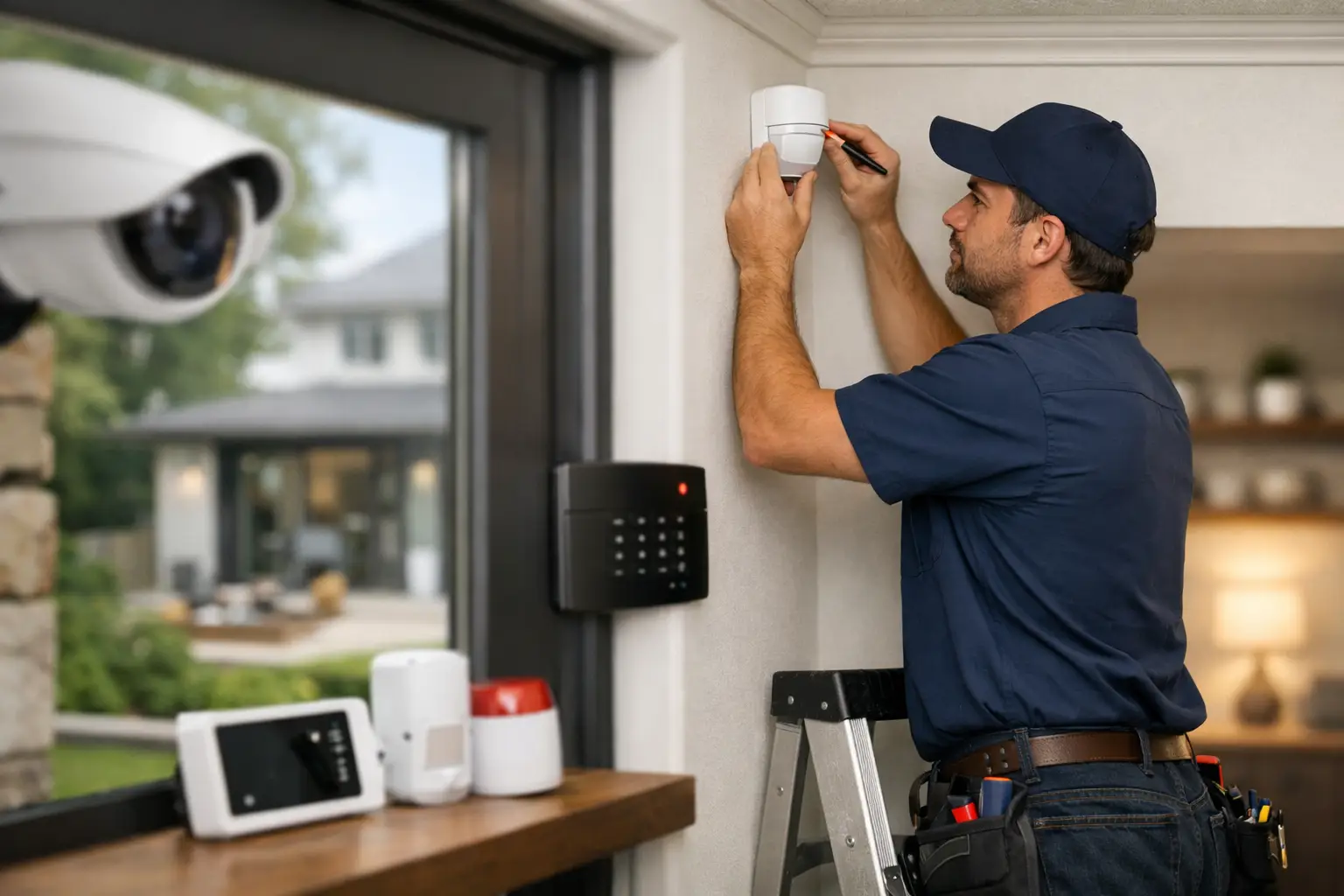
The difference starts before equipment is mounted. A security professional looks at the full property, including accessible doors, first-floor windows, garage entries, rear access points, detached buildings, common areas, and places where a person could enter without being easily seen. The goal is not to fill every room with devices. It is to protect the points that matter most without making daily life difficult.
This approach also helps avoid common gaps. A motion detector cannot always replace door and window protection. A camera may capture activity, but it does not automatically create an alarm response unless it is part of a properly designed security plan. A smoke detector can warn people nearby, while monitored fire protection can also send an emergency signal when no one is home or able to call for help.
Professional installation also means the system is tested as a complete unit. Sensors, keypad controls, mobile alerts, cameras, life-safety devices, and monitoring communication must work together. If a device is poorly placed, loses connection, or is not programmed for the right response, the equipment may not deliver the protection you expected when it counts.
Start With the Risks That Matter at Your Property
Every property has a different security profile. A family with school-age children may need simple arming controls, door alerts, and remote access. A homeowner who travels often may prioritize cameras, smart locks, and alerts for unexpected activity. A small business may need protected employee entrances, after-hours intrusion detection, video coverage of cash-handling areas, and different access permissions for managers.
During a security consultation, it helps to discuss the real situations you want the system to handle. Consider whether someone is usually home during the day, whether the property has pets, how often employees open and close the business, and whether there are vulnerable family members or workers who may need medical emergency protection.
A thoughtful assessment should address at least these four areas:
- Entry protection for doors, windows, garages, gates, and other accessible openings
- Interior detection for areas an intruder may cross after entering
- Life safety for smoke, fire, carbon monoxide, and medical emergencies
- Remote awareness through mobile controls, alerts, cameras, and smart automation
The right mix depends on the building and your priorities. A larger system is not automatically a better system. The best system is one that covers meaningful risks, is easy for authorized people to use, and is supported by dependable monitoring.
Homes Need Security That Works With Daily Routines
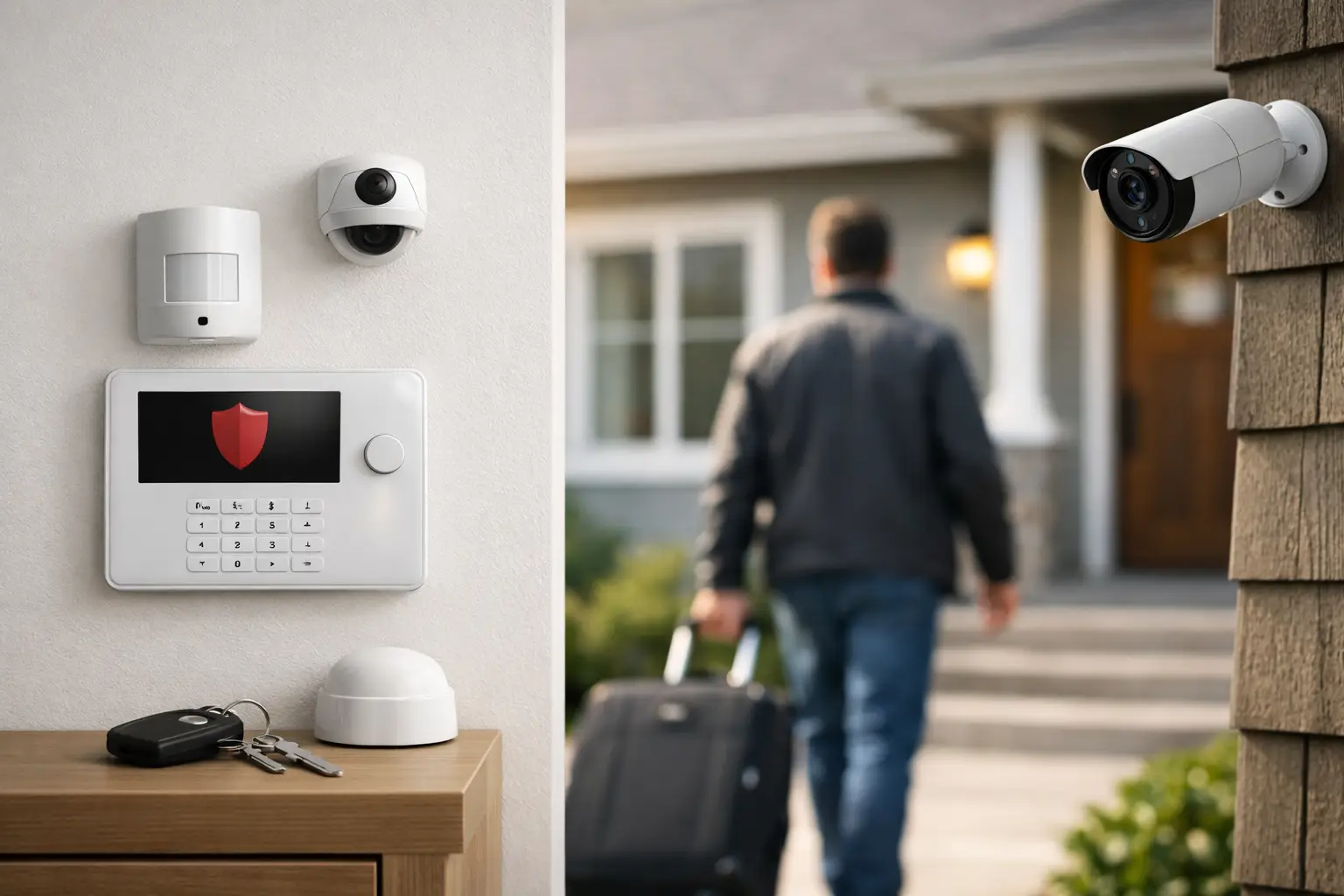
Home security should not create another complicated task at the end of the day. Professionally installed systems can be configured around routines such as leaving for work, putting children to bed, opening the garage, or checking on a second home. You may be able to arm or disarm the system remotely, receive a notification when a door opens, view camera activity, or adjust compatible lights, locks, and thermostats from one app.
That convenience has a protective purpose. Remote control lets you verify that the system is armed after leaving in a rush. Door alerts can tell you when a child arrives home. Smart lighting can make a property look occupied when you are away. Cameras can help you check a delivery, visitor, or service call before deciding what action to take.
For households with older adults or people with medical concerns, monitored emergency buttons can add another layer of reassurance. If help is needed, the person may not have time or ability to reach a phone. A monitored signal can start the response process quickly.
Businesses Need Protection Without Slowing Operations
For a business, an alarm system is part of protecting continuity. A break-in can mean damaged doors, lost inventory, interrupted operations, employee stress, and a difficult morning for the person who discovers it. Fire and carbon monoxide risks can threaten people, property, and the ability to reopen on schedule.
Professional design helps keep security practical. Owners can use separate user codes so they know who disarmed the system and when. Managers can receive relevant activity notifications without being overwhelmed by every event. Cameras can be positioned to support visibility at entrances, stockrooms, registers, loading areas, and exterior approaches.
There are trade-offs to consider. A business with frequent deliveries needs a plan that prevents false alarms while keeping rear doors protected. A property with many employees may benefit from more detailed access controls, but those controls need to be simple enough that staff will follow them. The system should match the pace of your operation, not fight against it.
What Happens After an Alarm Signal
An alarm is most valuable when there is a clear plan after it activates. With 24/7 professional monitoring, an alarm signal is sent to a monitoring center where trained professionals can follow the established response procedures. Depending on the event and system setup, they may attempt to contact the premises or designated contacts and request dispatch of the appropriate emergency authorities.
That response is especially meaningful when you are asleep, out of town, in a meeting, or unable to answer a call. A loud siren may deter an intruder, but it cannot make a phone call. Self-monitoring can be a fit for some people, but it relies on you seeing and responding to an alert. Professional monitoring provides another line of defense when your phone is off, your battery is dead, or you are simply unavailable.
Centex Security connects customers with a Five Diamond Certified monitoring center, offering continuous support for burglary, fire, carbon monoxide, and emergency alarm events. This kind of coverage gives a property more than equipment. It gives you a response process designed to continue when you cannot be there.
Questions to Ask Before You Choose an Installer
Price matters, particularly when security is a long-term service. But the lowest initial offer is not always the best value if it leaves out key devices, uses poorly matched equipment, or does not explain the ongoing monitoring service. Ask for a clear recommendation based on your property rather than a pre-set package that treats every home or business the same.
You should also ask how the installer handles existing equipment, whether the system can expand as your needs change, and what happens if internet service is interrupted. A professional should explain the difference between intrusion protection, camera coverage, and monitored life-safety devices in plain language. You deserve to understand what each part of the system is meant to do.
It is also wise to discuss false-alarm prevention. Proper device placement, reliable installation, user training, and clear instructions for everyone with a code can reduce avoidable alarm events. This protects your time and helps ensure that the system is used with confidence rather than frustration.
Make Security a Practical Next Step
Security decisions often begin after a neighbor experiences a break-in, a business has a close call, or a family realizes that an older relative may need a faster way to call for help. You do not have to wait for that moment to find out where your property is exposed. A no-cost professional consultation can identify priorities, explain affordable monitoring options, and help you choose protection that makes sense for your routine and budget.
The right alarm system should be easy to use on an ordinary day and ready to act on the day you need it most. Start with a plan built for your property, the people who rely on it, and the peace of mind you want when you close the door behind you.