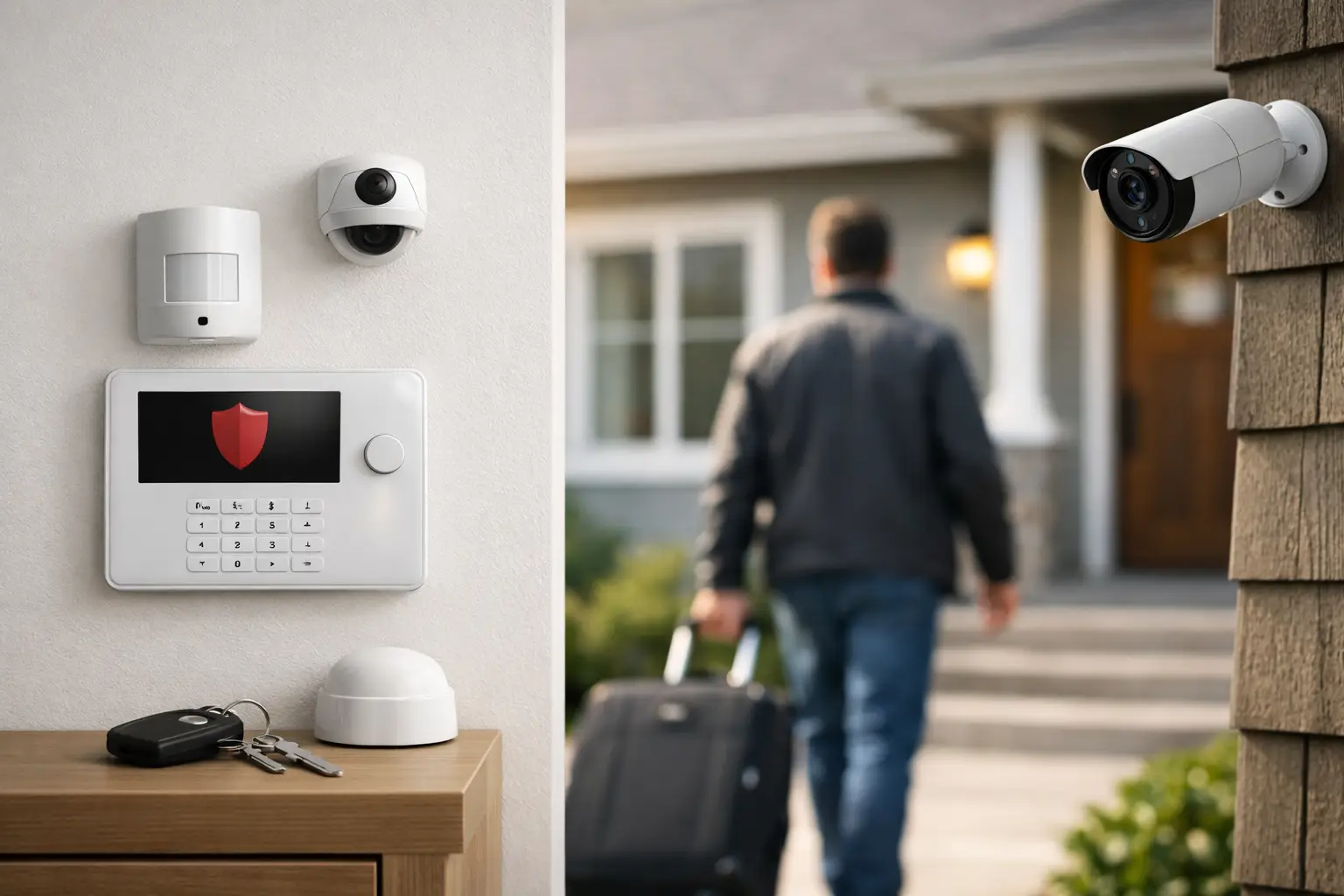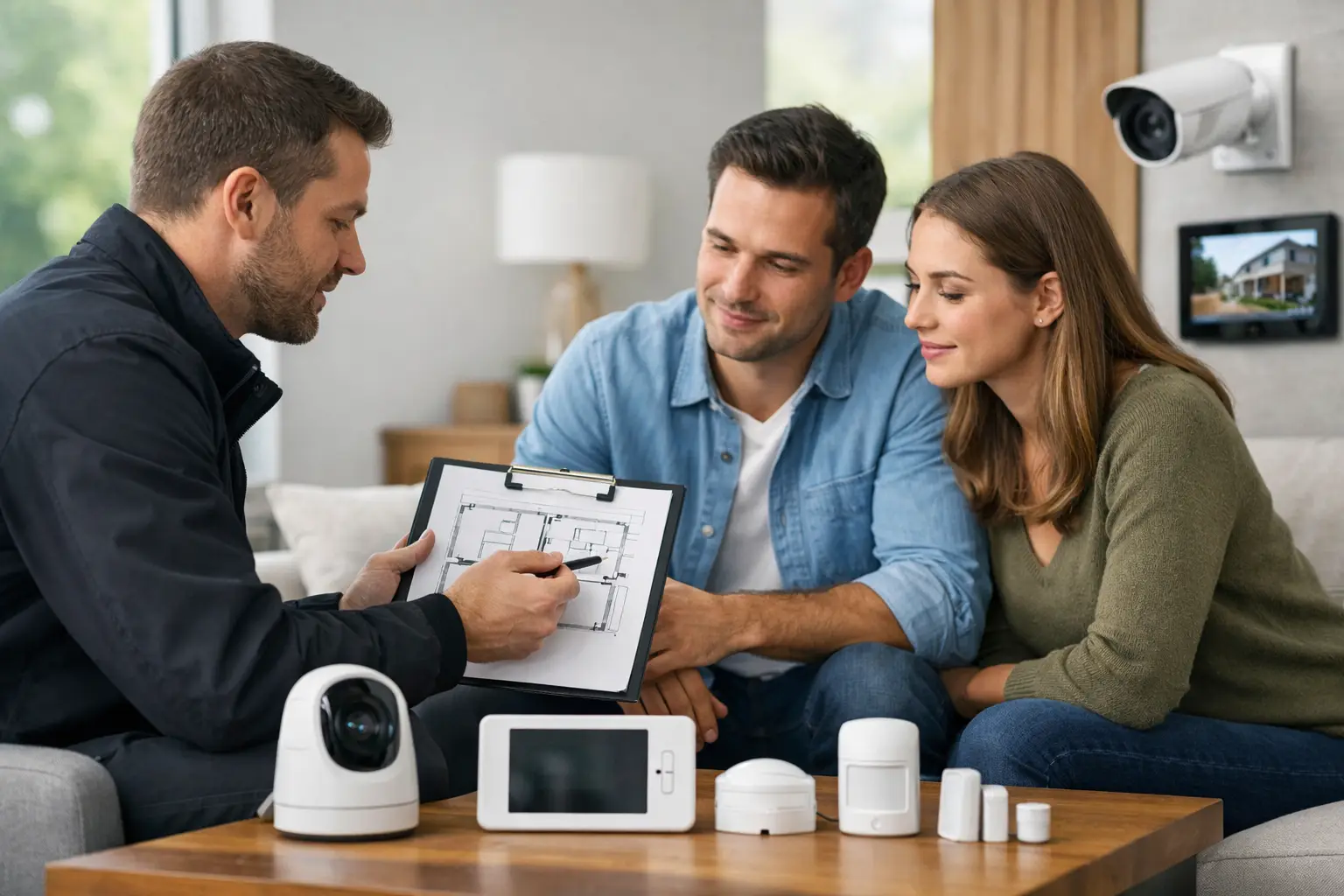

A back door hidden from the street, an aging smoke detector, a side window near the air-conditioning unit – small details like these can shape how well your property is protected. A home security consultation turns those details into a clear plan for protecting your family, valuables, and home without paying for equipment that does not fit your needs.
The goal is not to sell a one-size-fits-all box of devices. It is to identify real risks, recommend practical protection, and explain exactly what happens when an alarm, fire, carbon monoxide, or medical emergency signal is received. For homeowners in Florida and Georgia, a free consultation should make security feel more manageable, not more complicated.
What Happens During a Home Security Consultation
A qualified security professional begins by learning how you use the property. A family with children arriving home after school has different concerns than a homeowner who travels frequently, manages a rental property, or cares for an older relative. Your routines help determine where protection and remote control will make the biggest difference.
Next comes a walkthrough of the home. The consultant looks at entry points, sight lines, current equipment, lighting, internet access, and areas where an intruder could approach without being noticed. This is also the time to discuss hazards that are not burglaries, including fire, carbon monoxide, water damage concerns, or the need for a medical alert option.
The result should be a straightforward recommendation, not pressure. You should understand which devices are recommended, where they would go, how you will use them, what professional monitoring costs, and which options are worth adding now versus later.
Start With the Risks That Matter at Your Property
Every home has vulnerabilities, but not every vulnerability requires the same response. A first-floor condo may need strong door and window protection with carefully placed cameras. A single-family home with a fenced yard may need coverage for gates, garage access, and blind spots around the sides of the house. A larger property may benefit from multiple camera views and smart lighting that makes the home look occupied.
During the consultation, expect questions about whether anyone is home during the day, whether you have pets, how often you leave town, and whether service workers or caregivers need access. These answers affect the type of sensors, camera placement, user codes, and automation controls that make sense.
A good consultation also separates deterrence from detection. Outdoor cameras, visible alarm signage, and lighting can discourage some criminals from trying. Door contacts, glass-break sensors, motion detectors, and professional monitoring provide the response layer if someone does attempt entry. The best design usually uses both, while avoiding unnecessary devices.
Doors, Windows, and the Garage
Exterior doors deserve close attention, especially doors that are not used every day. A rear patio door, garage-to-home door, side door, or door near a pool area can be easy to overlook. Door and window sensors alert you when a protected opening is breached, while smart locks can let you check lock status and manage access from your phone.
Garages require their own plan. Many homeowners store tools, bikes, equipment, and vehicles there, yet leave the garage less protected than the main living space. Depending on the layout, the right approach may include a door contact, motion detection, a camera, and an alert when the garage door is left open.
Cameras Should Answer Useful Questions
Security cameras are most valuable when they cover meaningful activity, not when they simply create hours of footage. A consultation should identify the views that can help you see who approached the front door, monitor a driveway, check a package delivery, or review activity around a business entrance or storage area.
Placement matters more than camera quantity. A camera pointed into bright afternoon sun may produce a poor image when you need it most. A camera mounted too high can show that someone arrived but not provide a useful view of their face. The installer should account for lighting, weather exposure, privacy considerations, Wi-Fi strength, and the distance between the camera and the area being monitored.
For some homeowners, a doorbell camera and two exterior cameras are enough. Others need wider coverage, indoor cameras for an unoccupied vacation property, or professionally installed systems that provide stronger reliability over a larger property. The right recommendation depends on what you need to see and how you want to respond.
Professional Monitoring Changes the Response Plan
An alarm system can make noise. Professional monitoring gives that alarm a trained response process when you cannot answer your phone, are asleep, or are away from the property.
During a monitored alarm event, the monitoring center receives the signal and follows the account instructions to verify the emergency and contact the appropriate authorities when needed. That can include police, fire department, emergency medical services, and the contacts you designate. The exact procedure can vary based on the alarm type, local requirements, and your selected service plan, so this should be explained clearly before installation.
For families, this matters because emergencies rarely happen at a convenient time. A smoke alarm at 2 a.m. demands faster action than a notification you may not see until morning. A carbon monoxide event requires immediate attention because the gas cannot be seen or smelled. A monitored medical emergency button can also provide an added layer of support for older adults or people with health concerns.
Centex Security connects customers to a Five Diamond Certified monitoring center, giving homeowners and business owners a dependable path from alarm signal to emergency escalation. That support is especially valuable when a property is vacant, a family is traveling, or no one can safely investigate an alarm on their own.
Smart Home Features Should Simplify Daily Life
Security is stronger when it is easy to use. If arming the system takes too many steps, people tend to skip it. Smart home controls can bring alarm functions, cameras, locks, lights, and thermostats into a single, simple routine.
For example, you may want the system to arm when the last person leaves, receive an alert when a child gets home, or turn on exterior lights when motion is detected. A smart lock can provide a temporary code for a dog walker or contractor instead of requiring a hidden key. These features provide convenience, but they also create accountability because you can see and manage access from wherever you are.
Not every home needs every automation feature. If your main concern is emergency response, prioritize the monitored alarm and life-safety devices first. If you manage a busy household or frequently travel, smart locks, cameras, and lighting controls may add more day-to-day value. A consultation helps you decide where to invest rather than choosing technology just because it is available.
Questions to Ask Before You Approve a System
A security consultation should leave you confident enough to make a decision. Ask how the system will be armed and disarmed, whether you can use it during the day while family members are home, and how pet-friendly motion detection will be handled. If you want cameras, ask what views each camera will provide after dark and how you will access recorded clips.
You should also ask what is included in installation, what happens if the power or internet goes out, and how service is handled after installation. Confirm the monthly monitoring rate, any promotional terms, and whether fire, carbon monoxide, medical alert, and automation features are included or optional. Affordable monitoring only provides real value when you understand what protection it supports.
For business owners, the discussion should also cover employee access, opening and closing procedures, inventory areas, cash-handling locations, and whether multiple users need different permissions. A small business security system should protect the premises without making daily operations harder.
Prepare for Your Consultation
You do not need technical expertise before meeting with a security professional. It helps, however, to think through where you feel least secure, what has happened in your neighborhood, and which areas you want to monitor when you are away. Make a note of existing cameras, alarm equipment, deadbolts, smoke detectors, and any recurring issues such as poor driveway visibility or a garage door left open by mistake.
Be open about your budget and priorities. A trustworthy consultant can build a phased plan when you cannot or do not want to install every feature at once. Start with the layers that protect people and primary entry points, then expand camera coverage or automation as your needs change.
The right system should give you a simple answer to a difficult question: if something goes wrong at your property, who knows, what happens next, and how quickly can help be sent? A thoughtful consultation is where that answer begins.