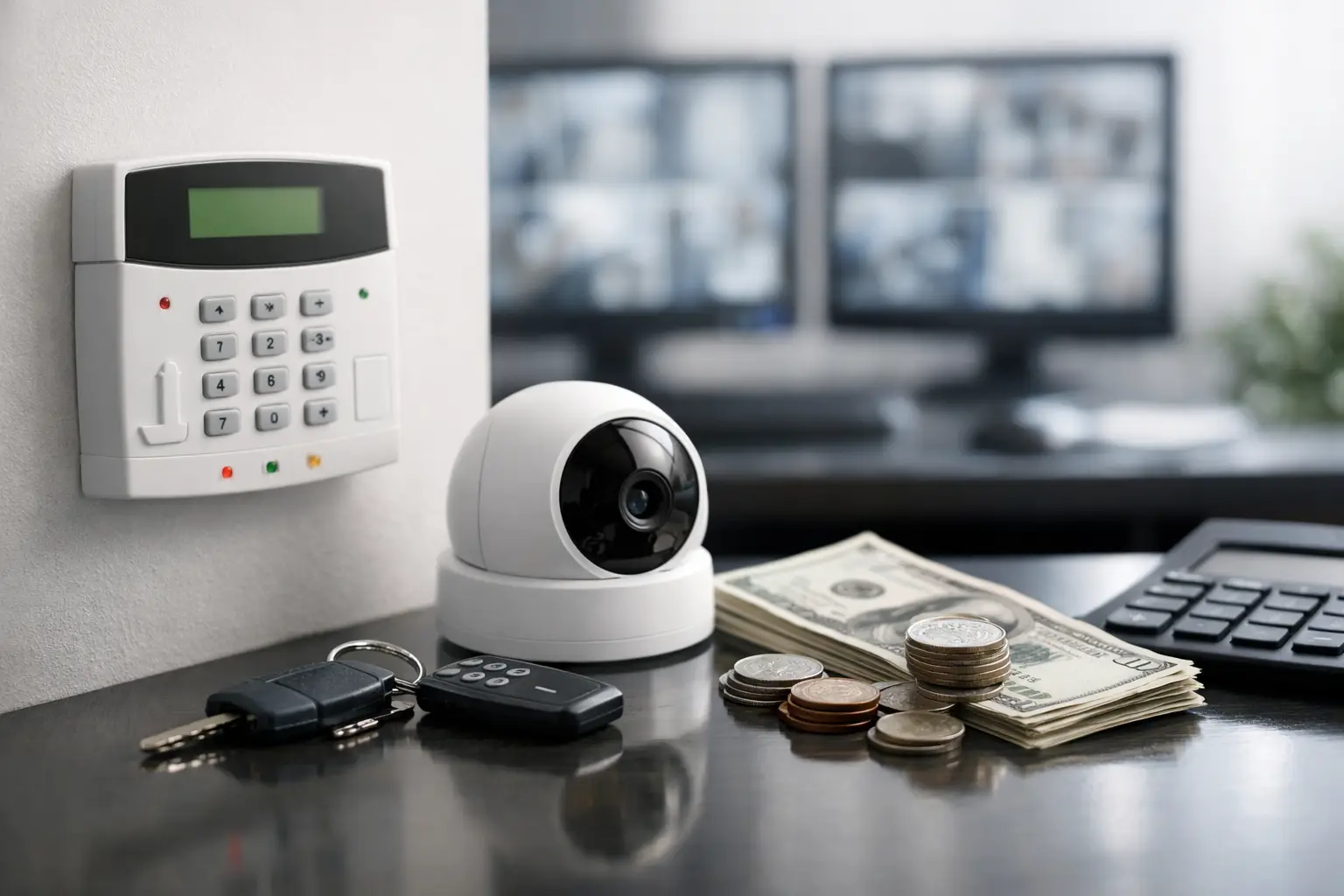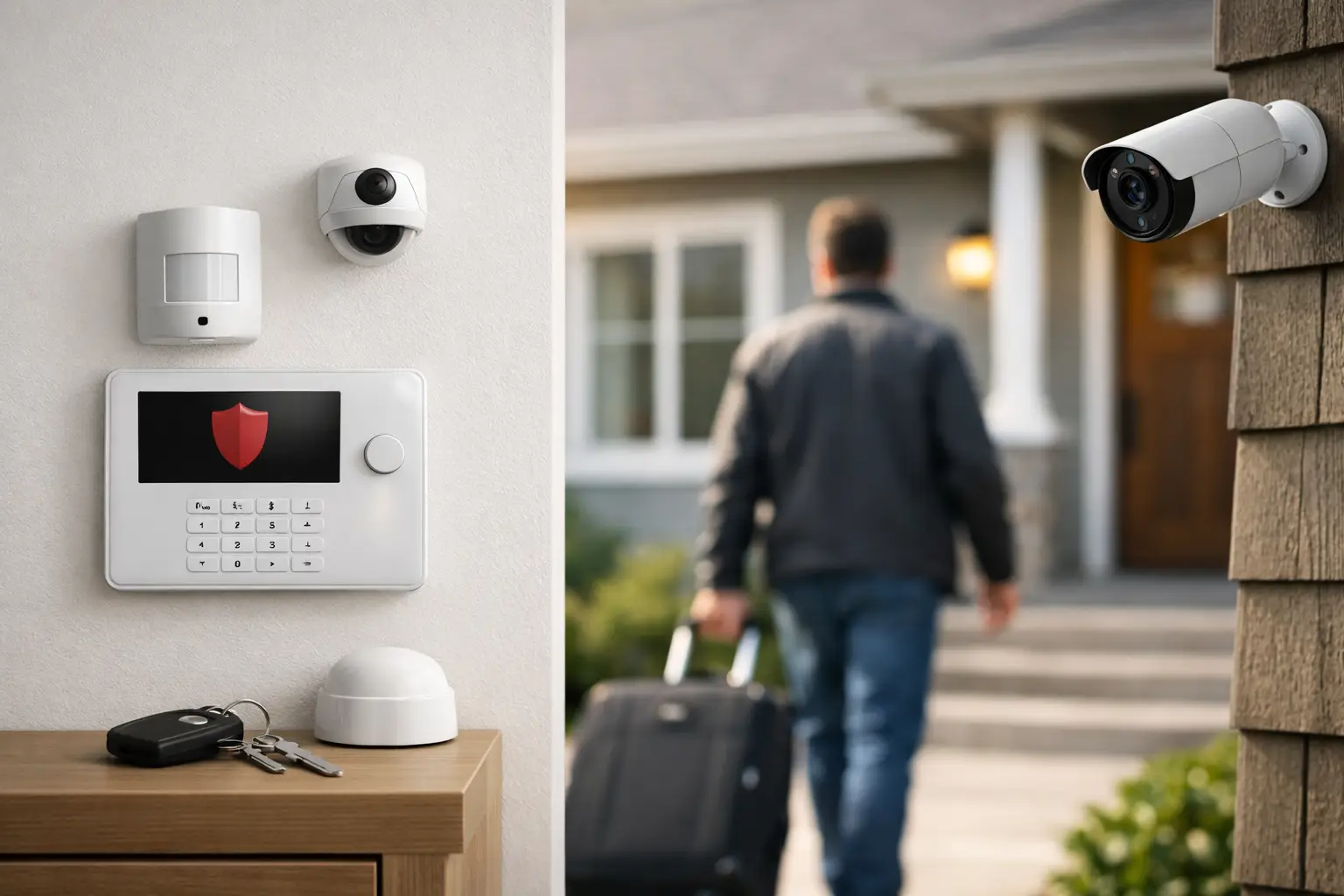

A home should feel safe whether you are asleep, at work, on vacation, or checking on an older relative from across town. Home alarms give your household more than a loud siren. When professionally designed and monitored, they create a dependable line of defense against intrusion, fire, carbon monoxide, and medical emergencies – with trained professionals ready to respond when an alarm signal is received.
The right system is not necessarily the biggest one. It is the one that covers the real risks around your property, fits how your family lives, and gives you a clear way to stay informed without making everyday routines complicated.
What Home Alarms Are Designed to Do
A modern alarm system begins with detection. Door and window sensors can alert you when a protected opening is breached. Motion detectors add another layer inside key areas of the home. A control panel or mobile app lets you arm and disarm the system, check its status, and receive alerts wherever you are.
That is valuable, but detection is only part of the protection. A monitored alarm system can send an emergency signal to a professional monitoring center when an alarm is triggered. Depending on the event and response plan, monitoring professionals can contact you and request help from the appropriate authorities. That can make a meaningful difference when you are unable to answer your phone, away from the property, or facing an emergency yourself.
Home alarms can also be configured to protect against threats that do not involve a break-in. Monitored smoke detectors, carbon monoxide detectors, water sensors, and medical alert devices help extend protection to the events that can put people at risk even when there is no visible danger from outside.
Why Professional Monitoring Matters
A local alarm siren may discourage an intruder and alert nearby neighbors, but it relies on someone hearing it and deciding to act. Self-monitored notifications have a similar limitation: they may reach your phone at the exact moment you are driving, in a meeting, asleep, or out of service.
Professional monitoring adds a real person and a response process to the system. When an alarm signal comes through, the monitoring center follows the established emergency protocol for that account. The goal is straightforward: get the right information to the right people as quickly as possible.
For families, that reassurance is especially important during overnight hours and travel. For property owners with a second home, rental property, or vacant residence, monitoring helps provide oversight when nobody is there to notice a problem. It also supports households caring for children, older adults, or relatives with medical concerns.
Centex Security connects customers with a Five Diamond Certified monitoring center, bringing 24/7 professional support to a customized residential protection plan. Affordable monitoring does not have to mean cutting corners on the response that matters after an alarm event.
The Best Home Alarm Setup Depends on Your Property
A small condo, a single-story ranch home, and a two-story home with a pool enclosure do not need identical security plans. A packaged system may seem convenient, but it can leave blind spots or include equipment that does little for your daily security.
A professional consultation looks at practical details: how many entry points need protection, where people enter and exit most often, whether pets move freely indoors, where valuables are stored, and which areas are more vulnerable to access. In Florida and Georgia, homes may also have sliding glass doors, garage entries, screened patios, detached sheds, or outdoor areas that deserve special attention.
Start With the Perimeter
Doors and accessible windows are typically the first places to consider. Sensors can alert you when a protected opening is opened while the system is armed. This is useful at night, when many homeowners want perimeter protection active while family members are still moving through the house.
Garage doors deserve attention as well. An attached garage can provide direct access into the home, and it is often used for storage, tools, and vehicles. A properly designed plan considers both the exterior garage door and the interior door connecting the garage to the home.
Add Interior Detection Where It Counts
Motion detection can help cover main hallways, living areas, and paths an intruder would likely use after entering. Placement matters. A detector installed without considering pets, ceiling height, furniture, or normal traffic patterns can create unnecessary false alarms or leave gaps in coverage.
Professional configuration helps balance sensitivity with everyday life. The goal is to detect a real threat without turning your alarm into a source of frustration.
Protect Against Life-Safety Emergencies
Burglar alarms protect property, but life-safety devices protect the people inside it. Monitored smoke and carbon monoxide detection can be particularly valuable when a family is sleeping or away. Carbon monoxide has no color or odor, making reliable detection essential in homes with fuel-burning appliances, fireplaces, or attached garages.
Medical alert options can also provide an added layer of confidence for seniors and people managing health conditions. A simple emergency button can connect a loved one with a monitoring response when reaching a phone is difficult.
Smart Home Features Should Make Security Easier
Smart-home automation is most useful when it removes friction from daily routines. Through one app, homeowners may be able to arm or disarm their system, view camera footage, receive activity alerts, control compatible locks, adjust lights, or manage a thermostat.
The practical benefits show up in ordinary moments. You can confirm that the system is armed after leaving for work. You can let a trusted guest in without handing out a physical key. You can receive a notification when a child arrives home, or check a camera after a delivery is dropped off.
Automation can also support security habits. Setting lights on schedules can make an empty home look occupied. Smart locks can help you avoid leaving a door unsecured. Camera alerts can make you aware of activity around an entryway before you arrive home.
Technology is not a replacement for professional monitoring or good security habits. Cameras may show you what happened, but an alarm system with monitored response is designed to act when an immediate threat is detected. The strongest setup combines visible deterrents, detection, verification tools, and a clear response plan.
Avoid These Common Home Alarm Mistakes
The first mistake is treating security as a one-time purchase. Batteries need replacement, contacts can be damaged, and household routines change. A system should be tested regularly and updated when you add a pet, remodel a room, replace doors, or start using a new entry point.
Another mistake is forgetting about the human side of the system. Everyone in the household who needs access should know how to use it, what to do if an alarm sounds, and whom to contact after an event. Keep emergency contact information current so the monitoring center can follow the correct response plan.
Finally, do not make a decision based only on the lowest equipment price. The quality of installation, monitoring, service, and system design will affect your experience long after the initial appointment. A low upfront offer can be worthwhile, but ask what equipment is included, how monitoring works, and whether the system can grow with your needs.
A Security Plan Built for Everyday Peace of Mind
The most effective home alarms are easy to use because they are designed around your property and your routine. You should be able to leave home, go to bed, travel, or check on a loved one without wondering whether your protection is working.
A no-cost security consultation is a practical first step. It gives you the chance to identify vulnerable areas, discuss monitoring and smart-home options, and build protection around what matters most inside your home. Peace of mind starts with knowing that if something goes wrong, you are not facing it alone.